Brick by Brick: How Heritage Preservation is Defining Sydney's Creative Identity
As property developers push into historic districts, a new wave of local artists and curators are re-anchoring the city's future in the ghosts of its industrial past.
As property developers push into historic districts, a new wave of local artists and curators are re-anchoring the city's future in the ghosts of its industrial past.
Sydney’s cultural footprint is shifting away from the glass-and-steel monoliths of the CBD toward the repurposed industrial corridors of the inner west. This morning, the City of Sydney council confirmed that the historic Eveleigh Locomotive Workshops will undergo a final $45 million refurbishment phase, aimed specifically at carving out dedicated studio space for emerging visual artists. It is a calculated move to ensure that while the city evolves, its creative heart remains tethered to the physical remnants of the 19th-century railway expansion.
The push to reclaim heritage sites is no longer just about tourism; it is about survival. In neighbourhoods like Marrickville and Alexandria, the conversion of former wool stores and factory warehouses into multi-disciplinary hubs has become the primary engine of the local arts economy. Organisations like Brand X and the myriad of independent galleries lining Botany Road are operating on long-term heritage leases that prevent the kind of rent spikes that drove artists out of Surry Hills a decade ago. For a city that just sweltered through its hottest June since 1859, the heavy thermal mass of these Victorian-era brick structures offers more than just aesthetic appeal; it provides a permanent, climate-resilient anchor for the arts.
This transition is evident in the numbers. According to the 2026 Cultural Infrastructure Plan, there has been a 14 percent increase in active creative tenancies within council-protected heritage zones since the start of the year. The average commercial rent in the inner west’s refurbished heritage precinct sits at $420 per square metre, significantly below the $950-plus mark seen in the high-rise office towers of Barangaroo. By institutionalising these spaces, the city is effectively subsidising a cultural identity that refuses to be sanitised by corporate development.
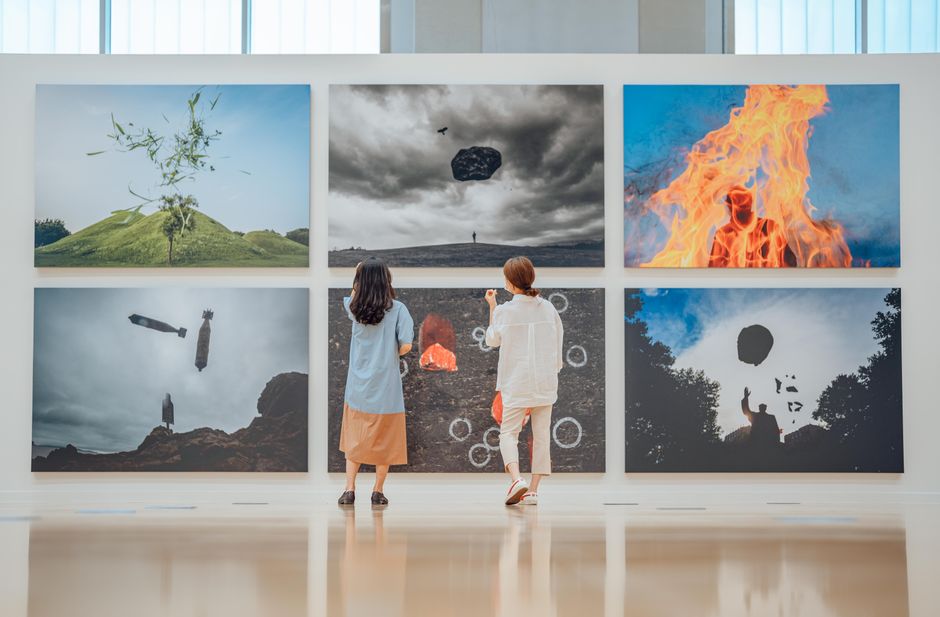
Preservation is moving beyond the simple 'blue plaque' mentality. At the Powerhouse Museum’s secondary site in Castle Hill and the ongoing renewal of the Walsh Bay Arts Precinct, the focus has pivoted toward public-facing archives. Curators are increasingly looking for ways to weave the city’s complex labour history—often gritty and unpolished—into the actual production of new work. The 2026 Young Archie competition, currently on display at the Art Gallery of New South Wales, reflects this shift, with many entries capturing the juxtaposition of Sydney’s colonial stone foundations against the backdrop of modern, overheated urban life.
The next phase of this development arrives this September, when the city launches the 'Heritage Incubator' pilot program. This initiative will provide small grants to artists and technologists willing to work out of historic sites slated for seismic retrofitting. Those interested in studio access or upcoming residencies should monitor the City of Sydney’s 'Creative Spaces' portal, which updates its inventory every Tuesday at 9:00 a.m. For Sydney, the path forward is clearly marked by the structures of the past; the city’s next masterpiece may well be painted on walls that were once used to forge the nation’s first engines.
How does this story make you feel?
Spread the word
About this article
Published by The Daily Sydney
Daily brief
Free, in your inbox before 7am. Weekdays.
More in culture