Mapping the new map: Emerging talent voices and the next wave to watch
As Sydney grapples with record-breaking winters and political uncertainty, a fresh cohort of artists is mining local history to rewrite our cultural identity.
As Sydney grapples with record-breaking winters and political uncertainty, a fresh cohort of artists is mining local history to rewrite our cultural identity.
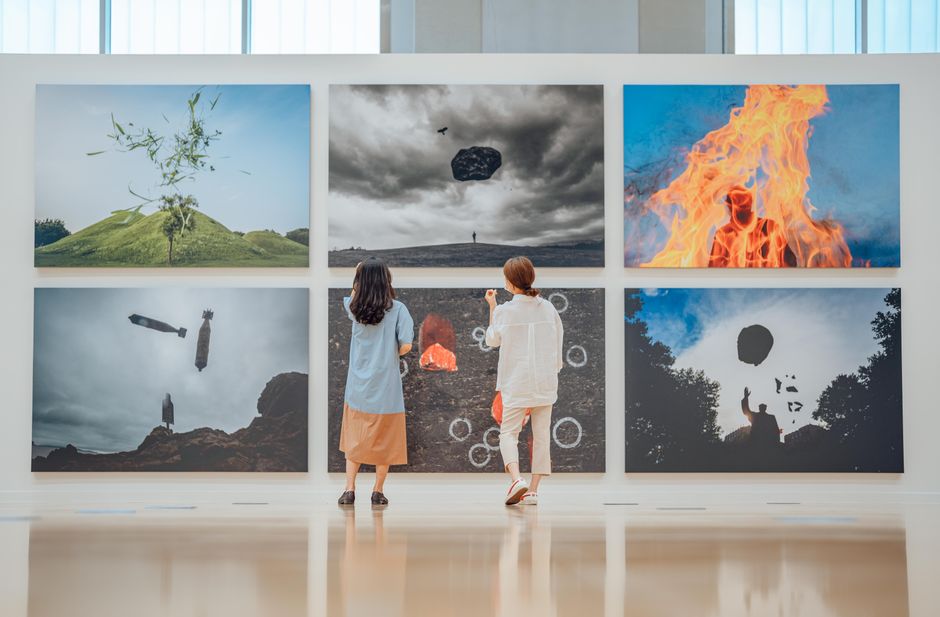
The Art Gallery of New South Wales saw a record 3,200 entries for the Young Archie competition this year, but the most compelling work isn't hanging on the gallery walls—it’s emerging from the subterranean creative pockets of Redfern and Marrickville. A new wave of writers, muralists, and digital historians is moving away from the city's glossy harbor-side aesthetic, turning their attention instead to the grit of industrial heritage and the unspoken narratives of Sydney’s outer-ring suburbs.
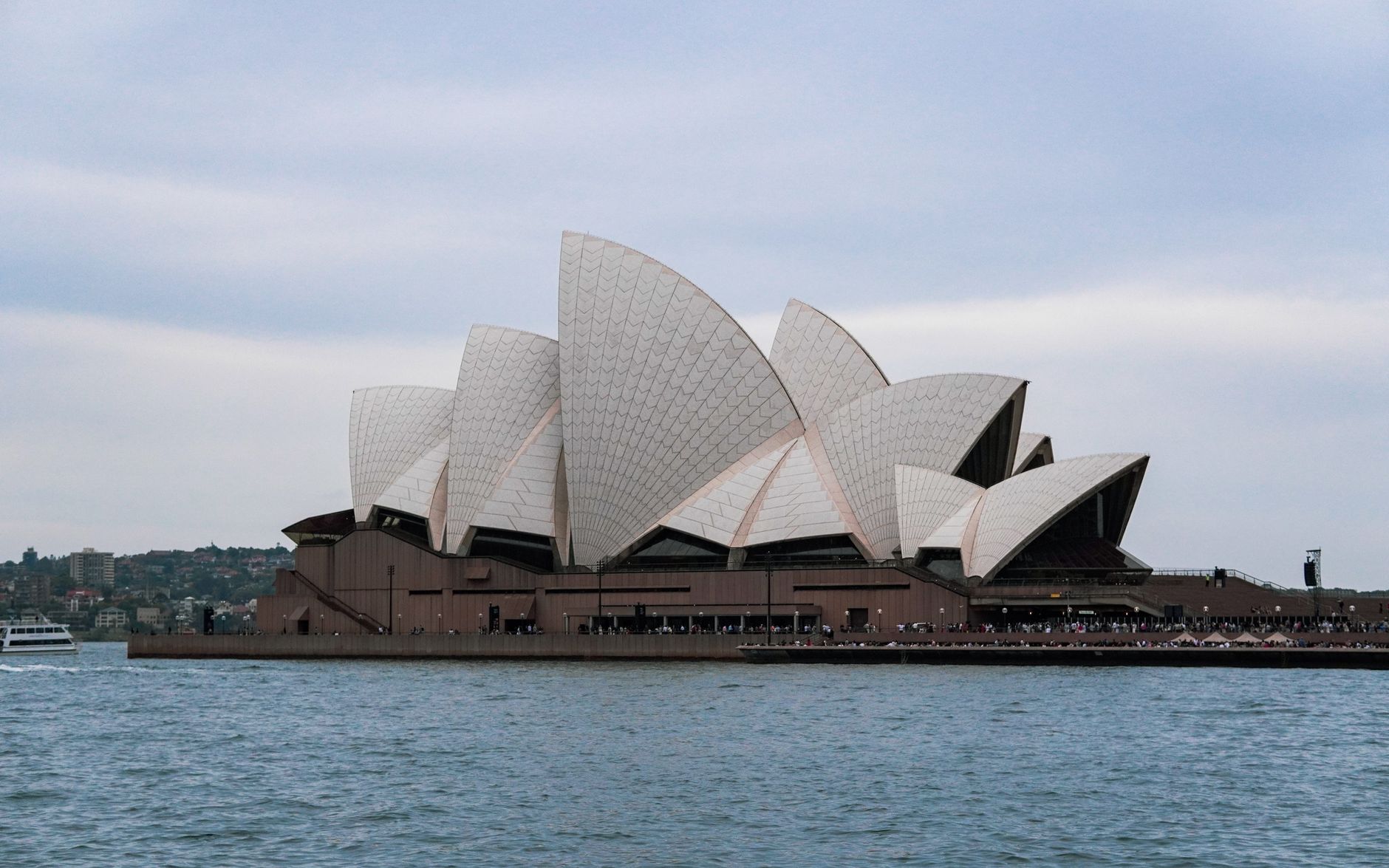
For decades, Sydney’s cultural output focused on the postcard perfection of the Opera House. Today, groups like the Verge Collective are shifting the lens. They are currently curating a series of exhibitions centered on the history of the Eveleigh Railway Workshops, transforming spaces once used for locomotive repair into studios for multidisciplinary art. This isn't just nostalgia; it is a tactical reclamation of space. By embedding their work in the physical history of the city, these creators are forcing a dialogue between the rapid gentrification of inner-city hubs and the labor history that originally forged them.
The shift is also evident in the literary scene. On July 1, the State Library of New South Wales announced a 15% increase in funding for its 'Emerging Voices' fellowship, a program specifically targeting writers under 30 who focus on local history. The grants, which now total $25,000 per recipient, allow young authors to spend months diving into the archives of the Mitchell Library. They are emerging with works that challenge the status quo, documenting the lived experiences of migrant families in Western Sydney rather than rehashing colonial-era myths.
Economic indicators suggest this pivot is gaining institutional support. Commercial rents in districts like Surry Hills have spiked by an average of 12% over the last eighteen months, pushing many grassroots organizations into the former industrial heartlands of the inner west. Rent at the Creative Spaces hub on Victoria Road, Marrickville, remains capped at $350 a week for studio tenants, a rate that has allowed a collective of sound designers and textile artists to keep their doors open through the unusually harsh June cold, which shattered temperature records set back in 1859.
As state politics remains preoccupied with the internal struggles of the NSW Labor conference, these young creatives are operating largely outside the influence of major party platforms. They are building their own distribution networks, moving from Zine Fairs at the Addison Road Community Centre to global digital platforms like Substack and independent galleries in Chippendale. For those looking to support this next wave, the 'Sydney Heritage Futures' summit is scheduled for August 12 at the Seymour Centre. It is the best place to see which names will define the city's cultural output by the end of the decade.
How does this story make you feel?
Spread the word
About this article
Published by The Daily Sydney
Daily brief
Free, in your inbox before 7am. Weekdays.
More in culture