Sydney's Commutes Reveal Distinct Character of Each Neighbourhood
From the creative energy of Inner West train carriages to the ocean-bound rhythm of Bondi Junction, your journey shapes your place in the city.
From the creative energy of Inner West train carriages to the ocean-bound rhythm of Bondi Junction, your journey shapes your place in the city.
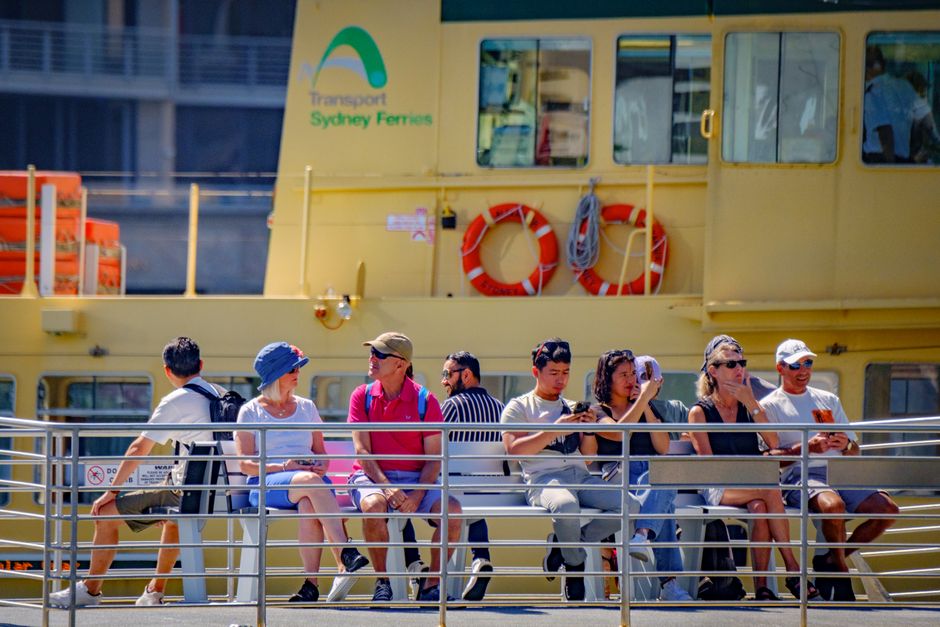
Sydney's transport network does more than move people between A and B. It's a mirror reflecting the distinct character of each neighbourhood, where commuting patterns reveal the hidden pulse of the communities that call them home.
Take the Inner West Line, which snakes through Marrickville, Petersham and Dulwich Hill. Board at Marrickville Station during morning rush and you're surrounded by artists, small business owners and young families heading toward the CBD or the University of Sydney. The platform conversations shift between debates about the latest gallery opening at Firstdraft in Chippendale and complaints about Sydney's famously inconsistent train frequency—the network saw a 7% rise in commuter complaints last year, according to Transport NSW data. Yet there's a palpable sense of community ownership; locals fiercely advocate for station upgrades and improved bike parking, turning transport discourse into neighbourhood activism.
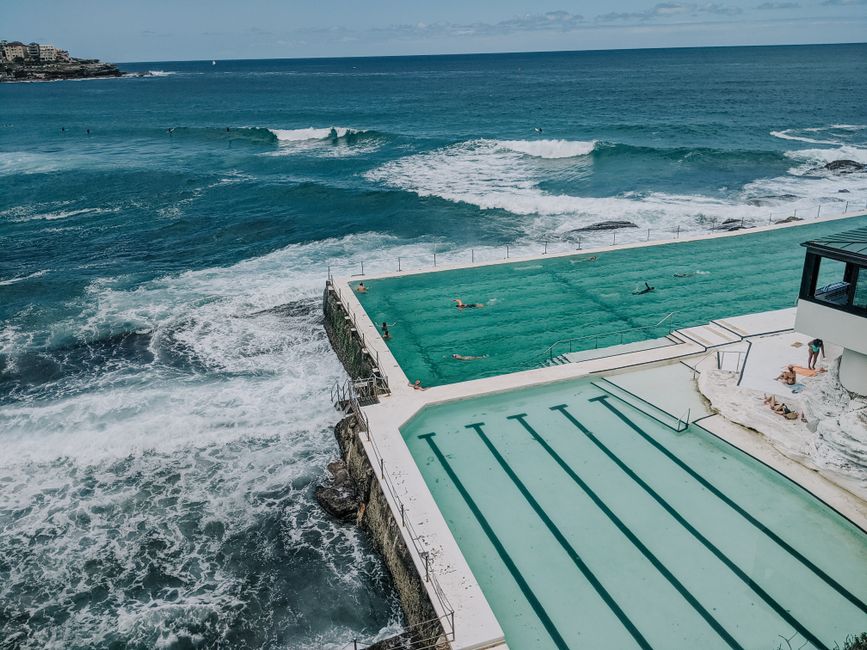
Meanwhile, the Eastern Suburbs Line tells a different story entirely. Bondi Junction Station, the busiest interchange in the eastern network, pulses with the energy of beachgoers, gym enthusiasts and retail workers heading to the sprawling shopping precinct. Here, the commute is performative—it's about being seen, about the carefully curated aesthetic of Sydney's aspirational east. The platforms overflow with energy on summer mornings as locals navigate toward Bondi Beach, just 3 kilometres away.
Contrasting sharply, the North Shore Line through Neutral Bay and Cremorne reveals a more understated character. These quieter platforms attract established professionals and retirees, with a notably older demographic and a preference for the contemplative rhythm of a less crowded journey. The neighbourhoods themselves reflect this: well-maintained heritage homes, independent bookstores and the calm waterfront precincts along Cremorne Point.
Western Sydney's commute experience—particularly around Parramatta and Westmead—demonstrates the growing diversity reshaping Sydney's transport culture. Language, food aromas wafting from nearby strip malls, and multigenerational families navigating the journey together paint a picture vastly different from the eastern suburbs narrative.
The revelation here is that Sydney's neighbourhoods aren't defined by geography alone but by the rhythms of movement within them. Your daily commute isn't just transport; it's a daily immersion into the authentic character of your suburb. In a city obsessed with destination, Sydney's real story lives in the journey itself—and in the strangers-turned-neighbours you encounter on the platform every morning.
This article was compiled by AI and screened before publishing. See our editorial standards.
How does this story make you feel?
Spread the word
About this article
Published by The Daily Sydney
Daily brief
Free, in your inbox before 7am. Weekdays.
More in lifestyle