Marrickville's warehouses transform into artisanal maker spaces amid property boom
As inner-west property values climb and warehouse spaces transform, the neighbourhood's grit is being polished into a new aesthetic for small-scale makers.
As inner-west property values climb and warehouse spaces transform, the neighbourhood's grit is being polished into a new aesthetic for small-scale makers.
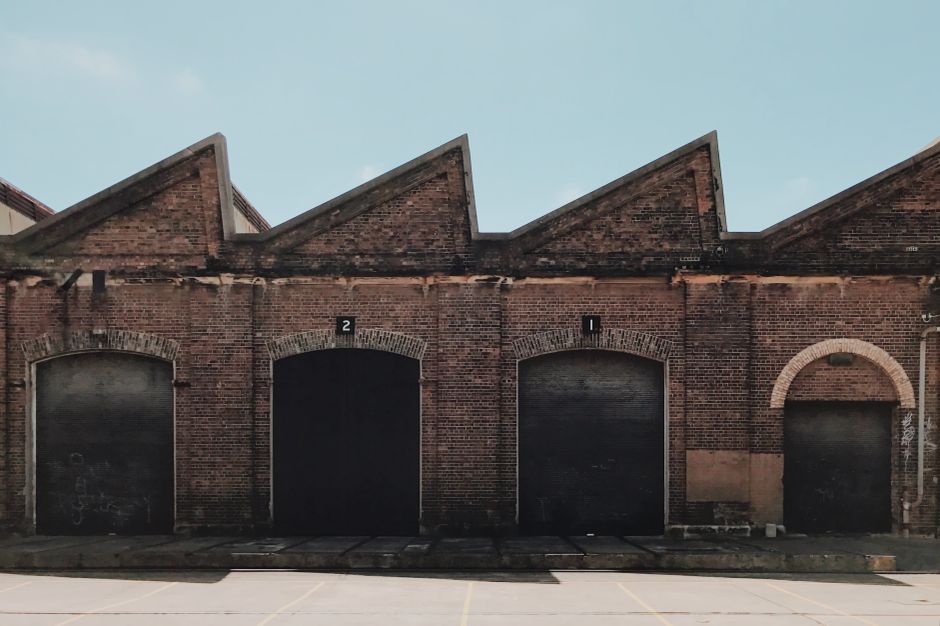
Marrickville is shedding its heavy industrial skin. Where mechanics and textile warehouses once defined the streetscape, boutique distilleries and communal makerspaces are now anchoring the local economy. The transformation is most visible along the Enmore Road corridor and the industrial pockets surrounding the Marrickville Metro shopping centre, where the sound of metal fabrication is increasingly being replaced by the hum of espresso machines and micro-brewery fermenters.
The change marks a pivot from the neighbourhood's historic role as a core manufacturing hub for New South Wales. At the corner of Victoria Road and Addison Road, the old industrial floorplates are being repurposed for creative suites rather than factory assembly lines. Organisations like the Addison Road Community Organisation continue to manage the site’s heritage footprint, but the surrounding blocks are now home to a dense cluster of independent businesses that prioritize craft over mass production.
This evolution reflects a broader trend seen across the Inner West Council area. City planners have moved to rezone sections of the precinct to accommodate 'mixed-use' developments, forcing a delicate balance between preserving the area's working-class character and catering to the influx of young professionals. Real estate data from the June 2026 quarter indicates that commercial rental yields for converted warehouse spaces in the 2204 postcode have risen by 8% compared to the previous year, according to local listings analysis.
The retail landscape is also reflecting these demographic shifts. Grocers and specialty retailers in the suburb are now leaning heavily into high-end, artisanal offerings. As winter settles in, shoppers at local hubs are seeing seasonal staples like brussels sprouts and blackberries dominate the inventory, with prices hovering around $5.50 per punnet for local produce. The change in consumer appetite has forced older businesses to rethink their storefronts or risk displacement by high-concept eateries that cater to a more affluent weekend crowd.
For those living and working in the area, the transition presents a mixed reality. While the surge in local hospitality and design activity has made the suburb a destination, the rising cost of commercial leases remains a hurdle for legacy operators. Future planning documents from the Inner West Council suggest that the next phase of development will focus on protecting small-scale artisanal 'zones' within the current industrial layouts to ensure the suburb doesn't lose its manufacturing roots entirely. Residents looking to support the current ecosystem should track the upcoming council sessions on zoning amendments scheduled for August 2026.
How does this story make you feel?
Spread the word
About this article
Published by The Daily Sydney
Daily brief
Free, in your inbox before 7am. Weekdays.
More in lifestyle