Sydney's Unique Geography Shields It From Australia's Record Heat
From the Bureau of Meteorology’s record-breaking heat data to the pulse of the CBD, Sydney’s unique geography keeps it in a league of its own.
From the Bureau of Meteorology’s record-breaking heat data to the pulse of the CBD, Sydney’s unique geography keeps it in a league of its own.
Sydney just closed the books on its hottest June since records began in 1859, according to data released today by the Bureau of Meteorology. While major global cities across the Northern Hemisphere are grappling with summer peaks, residents from Manly to Parramatta are navigating a winter that feels more like a mid-season transition, with temperatures consistently tracking well above historical averages.
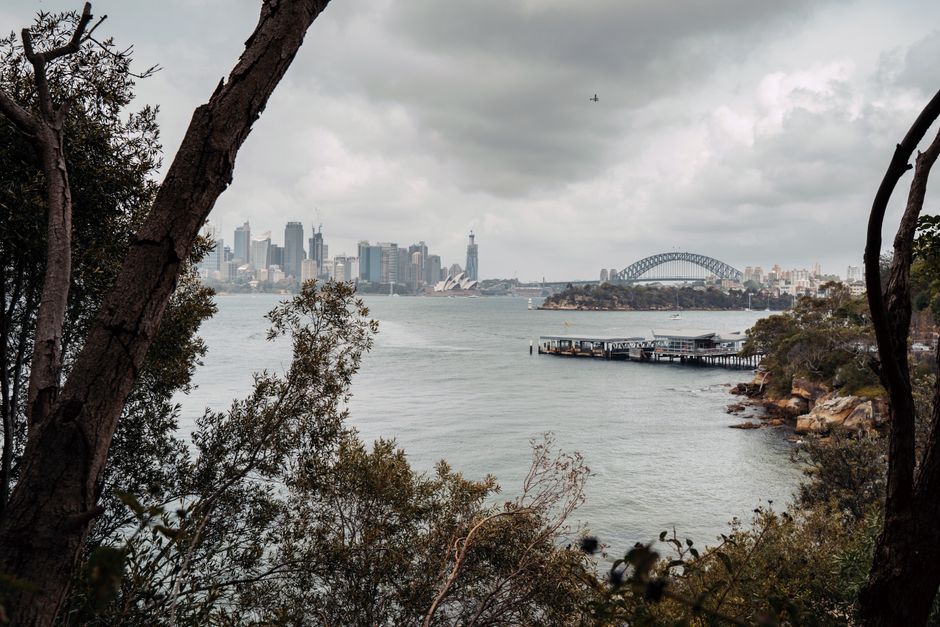
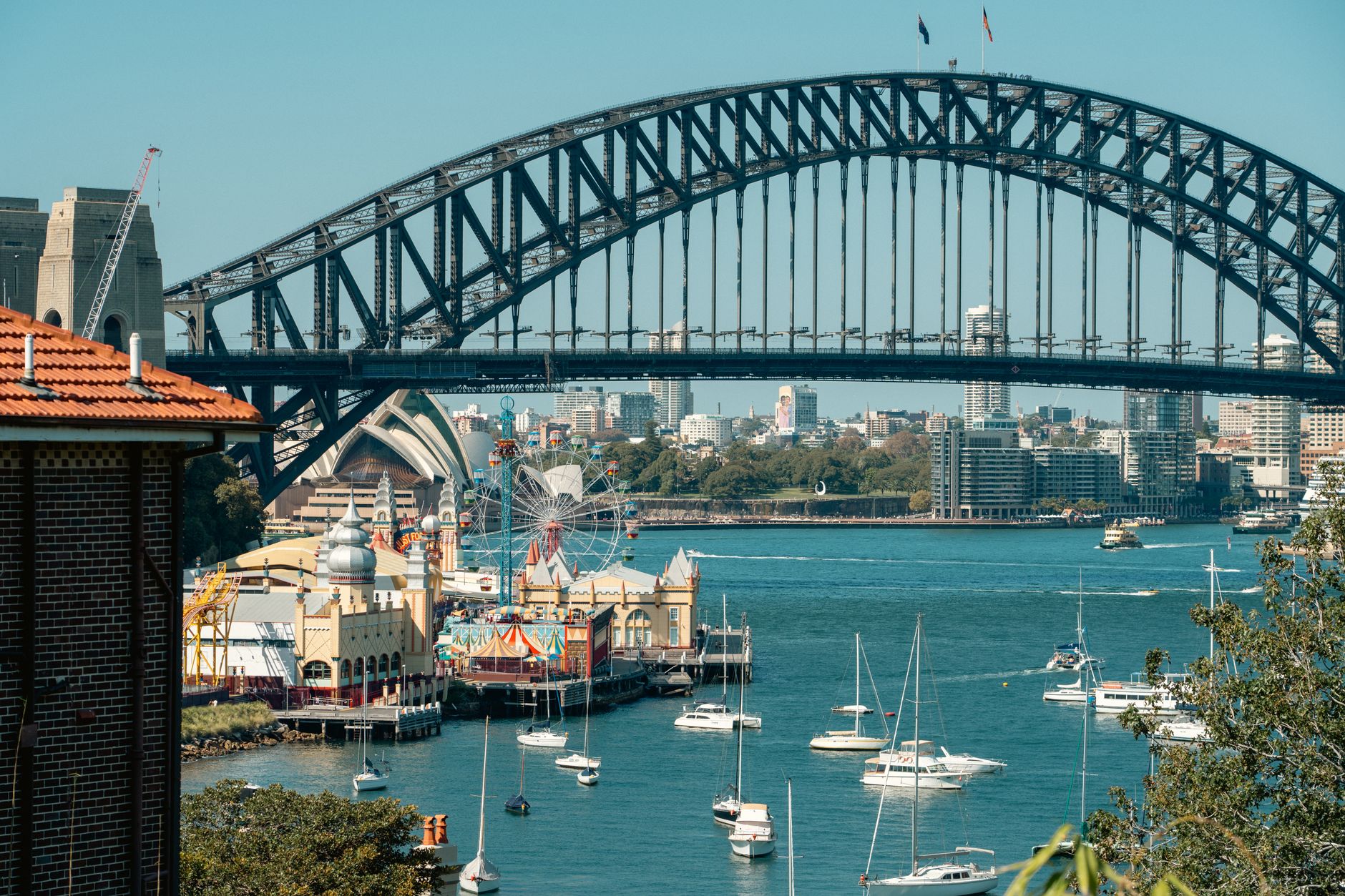
The city’s identity has always been tethered to the collision of the Pacific Ocean and the sandstone basin. Unlike the dense, landlocked grids of London or New York, Sydney’s layout forces a reliance on the harbour and the coast that dictates everything from real estate premiums to weekend transit patterns. On Pitt Street and through the laneways of Surry Hills, the current heat anomalies are forcing local businesses to rethink the traditional winter trade, with café owners reporting a shift in foot traffic as residents opt for coastal breezes over city centre pavement.
Data released by the Bureau of Meteorology confirms that the average temperature for June reached unprecedented levels, a departure from the long-term trends recorded since the mid-19th century. This shift presents a challenge for the state government, particularly as Premier Chris Minns highlighted during this week's Labor state conference that the administration faces significant hurdles to maintain momentum. For the average commuter, this translates to a tangible change in daily life, where seasonal retail cycles are disrupted and energy consumption patterns are changing across the Greater Sydney region.
What sets Sydney apart from other global hubs is the integration of these environmental extremes into the local lifestyle. Market analysts at AusVeg note that while weather volatility affects national produce, items like blackberries and Brussels sprouts remain the best value for shoppers this month, keeping the cost of living at local grocers in suburbs like Marrickville relatively stable despite broader economic headwinds. This resilience is mirrored in the arts and culture sector, where events like the recent Hair Festival at the ICC Sydney draw international attention, proving that local creative industries continue to thrive even during periods of significant climate uncertainty.
For those living in the city, the next month requires adjusting to a new rhythm of urban life. Experts suggest that as we move into the second half of the year, tracking local environmental reports from the Bureau of Meteorology will be essential for planning outdoor activities, particularly along the coastal walks from Bondi to Coogee. Staying connected to the state government's upcoming infrastructure announcements will also be vital, as the city balances the demands of a growing population with the realities of its unique, warming environment.
How does this story make you feel?
Spread the word
About this article
Published by The Daily Sydney
Daily brief
Free, in your inbox before 7am. Weekdays.
More in lifestyle