Sydney's transformation into one of Australia's most sustainability-focused cities didn't happen overnight. It emerged from crisis, incremental policy wins, and sustained community activism that reshaped how the metropolis manages water, waste, and emissions.
The turning point came in the late 1990s, when Sydney faced its worst drought in recorded history. Water restrictions gripped the city, and dams supplying the Greater Sydney region fell to critical levels. That existential threat forced policymakers to rethink infrastructure. By 2006, the Kurnell desalination plant came online—a $1.9 billion investment that fundamentally changed how the city sourced water. Today, roughly 15 per cent of Sydney's water supply comes from desalination, reducing reliance on rainfall-dependent reservoirs that nearly bankrupted the city two decades ago.
The water crisis created a template for environmental action. Communities across Inner West suburbs like Marrickville and Newtown began grassroots recycling programs and pushed councils toward circular economy principles. By 2010, Sydney's landfill diversion rate stood at 68 per cent—a significant leap from the 40 per cent recorded in 2000.
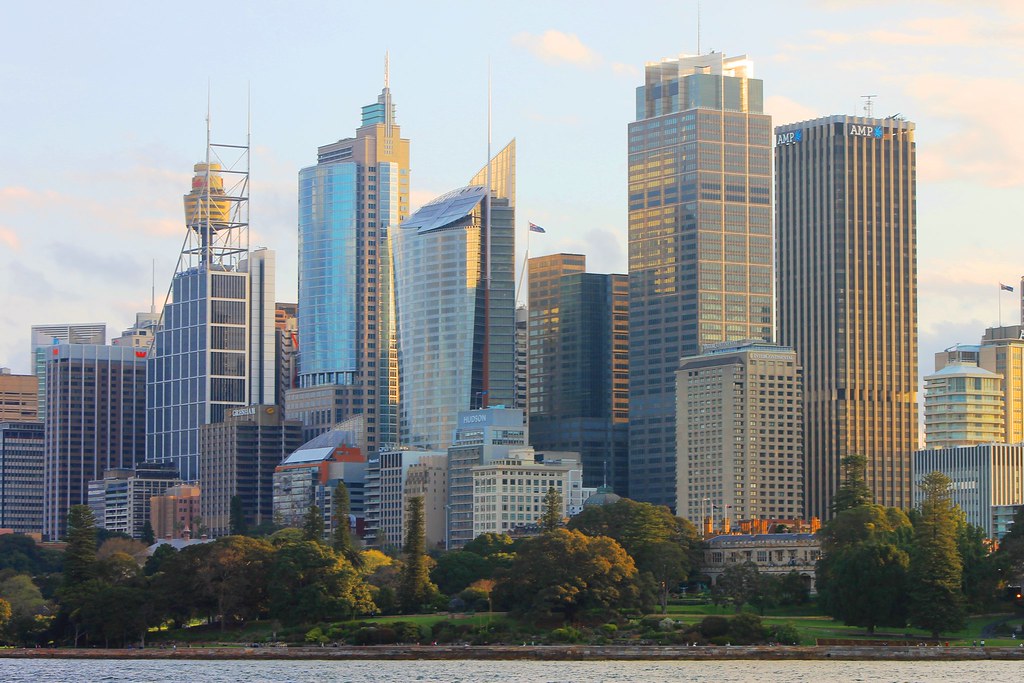
Parallel to these efforts, the NSW government introduced the Renewable Energy Target in 2001, and Sydney's commercial precincts—particularly around the CBD and Parramatta—began incorporating rooftop solar installations. Property developers recognised that sustainability credentials attracted premium tenants. Office buildings on Macquarie Street and Martin Place now compete on energy efficiency ratings, a trend unthinkable in the 1990s.
The 2009 Copenhagen Climate Summit catalysed a shift in political momentum. Sydney City Council declared itself carbon neutral by 2050, committing to reduce emissions 70 per cent by 2030. Bondi, Coogee, and other beachside suburbs—increasingly visible victims of rising sea levels and coastal erosion—mobilised residents around climate policy.
More recently, the transport sector became a focus. Sydney's congestion costs the economy $30 billion annually, driving investment in public transport electrification. The metro expansion and updated bus fleet represent a deliberate pivot away from car dependency that reflects decades of environmental lobbying.
Yet this progress masks ongoing tensions. Sydney still imports 90 per cent of its food, limiting true sustainability metrics. Property development in Western Sydney continues at breakneck pace, often overriding conservation priorities. The city's carbon footprint remains stubbornly high per capita.
What distinguishes Sydney's approach is that environmental action emerged from tangible crises and community pressure—not abstract ideals. The water shortage was real. Rising sea levels threatened property values. Smog choked the CBD. These concrete problems created political permission for systemic change that now defines the city's identity.
This article was compiled by AI and screened before publishing. See our editorial standards.