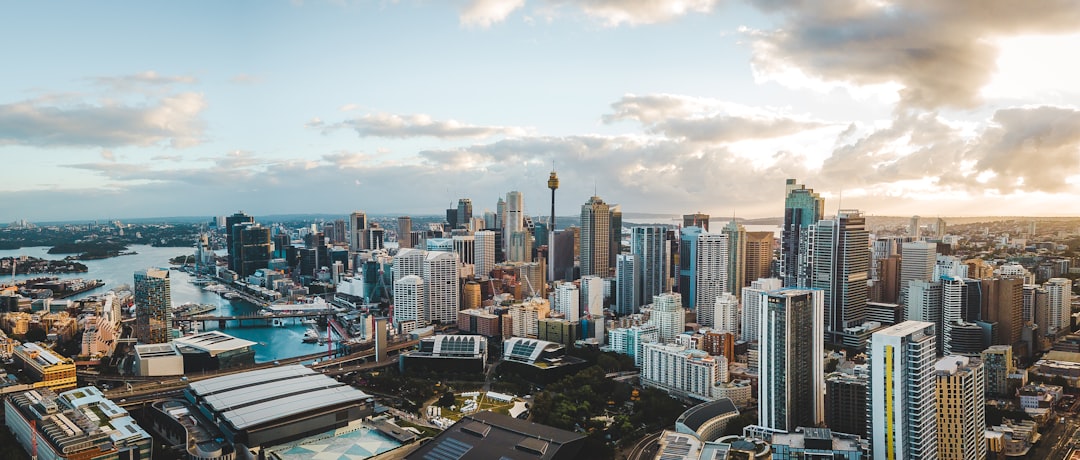
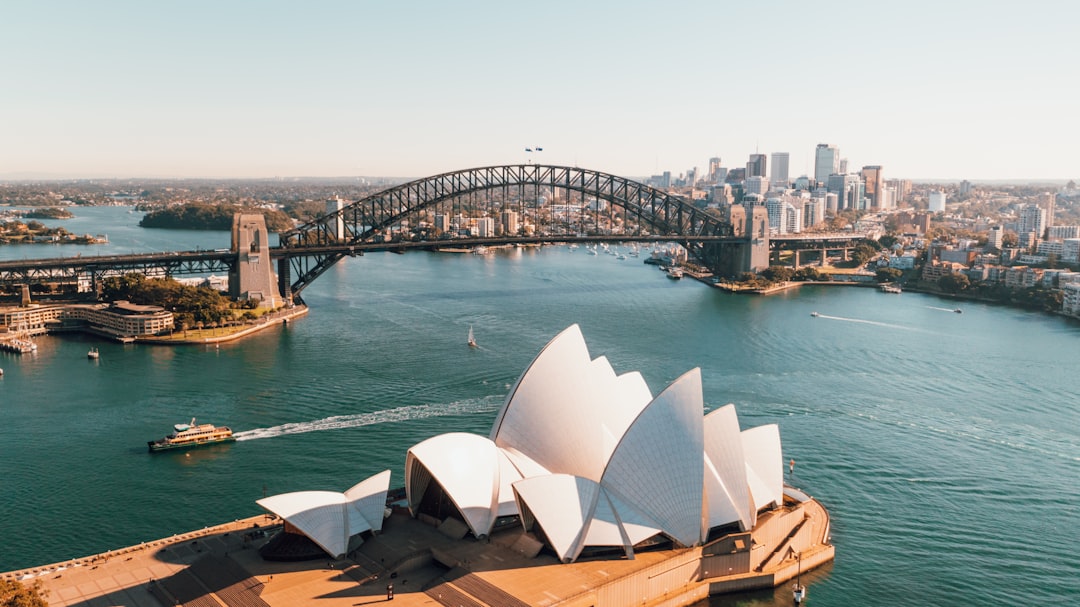
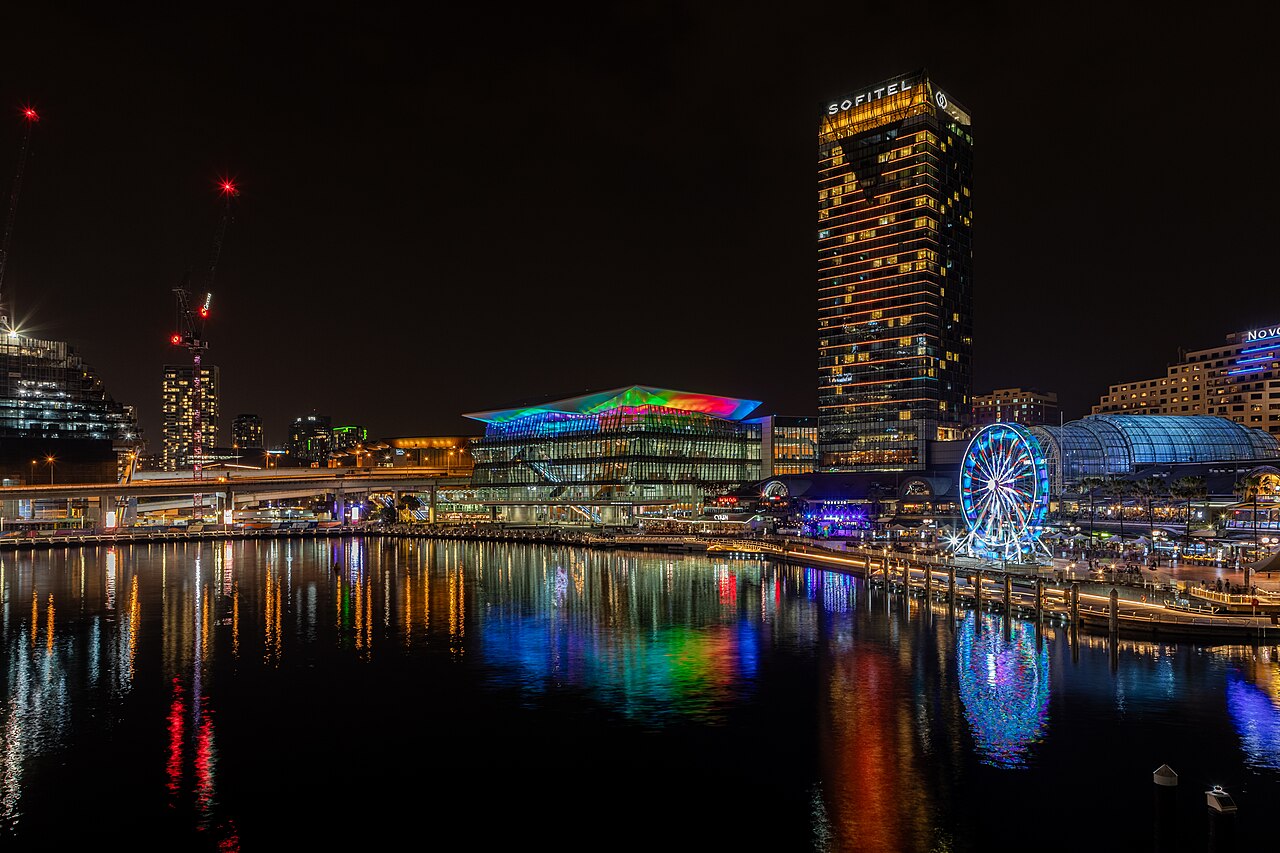
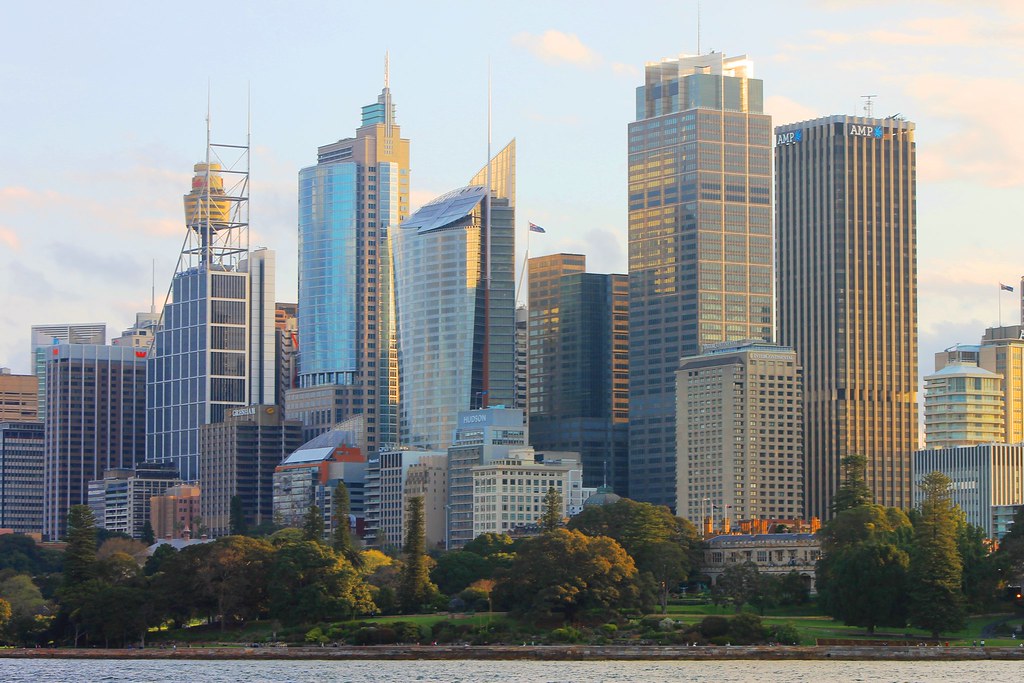
Walk down Parramatta Road in Camperdown these days and you'll notice more than just construction sites. Solar panels now crown apartment blocks that were unthinkable five years ago. Marrickville's industrial heartland is transforming into a sustainability hub, with waste-to-energy facilities and urban farming projects cropping up where manufacturing once dominated. For ordinary Sydneysiders, these aren't just feel-good initiatives—they're reshaping costs, liveability, and property values across the city's 47 federal seats.
The housing crisis has forced the conversation. With median house prices across Sydney hovering near $1.2 million, and rental vacancy rates below 1 per cent in many suburbs, environmental sustainability isn't a luxury—it's become a practical necessity. Green-rated apartments in Barangaroo and Darlinghurst command 8-12 per cent premiums, but they also slash energy bills. For renters in Penrith and Campbelltown struggling with rising electricity costs, energy-efficient public housing retrofits funded through state initiatives offer real relief.
Western Sydney residents are feeling the shift acutely as Metro West construction accelerates toward Parramatta. The NSW Labor government has tied sustainability targets to transit-oriented development, meaning new housing clusters around future stations—from Westmead to Olympic Park—must meet strict environmental standards. This drives up initial construction costs but delivers long-term savings. A family in newly developed Wentworth Point might pay $350 monthly for utilities; a comparable older home in nearby suburbs could cost double.
Port Botany's expansion plans have also galvanised environmental action. As Sydney's trade hub processes record container volumes, the Port Authority's emissions reduction targets flow through to local air quality in suburbs like Alexandria and Mascot. Residents aren't just breathing cleaner air—freight companies investing in green logistics are relocating operations, creating jobs in emerging sectors.
The multicultural city's diversity has accelerated these initiatives. Community groups across Punchbowl, Lakemba, and Strathfield have spearheaded grassroots sustainability projects, from community gardens in Ashfield to solar co-ops in Kogarah. These aren't top-down mandates; they're neighbourhood-driven solutions emerging from communities facing real pressures.
Yet challenges remain. Older suburbs in outer Western Sydney lack the infrastructure funding their wealthier eastern counterparts enjoy. Tree-canopy programs, which reduce summer temperatures by up to 5 degrees in places like Hurstville, haven't reached equivalent scale in Wetherill Park or St. Marys—yet.
As Sydney's population edges toward 6 million, sustainability isn't ideological. It's economic. It's about affording rent, staying cool without bankrupting yourself, and building communities where working families can thrive. The question isn't whether Sydney goes green—it's whether that greenness reaches everyone.
This article was compiled by AI and screened before publishing. See our editorial standards.