Sydney's relationship with crime and safety has shifted dramatically over the past three years, transforming from a largely unspoken concern into the conversation dominating every coffee shop from Bondi to Penrith. The trajectory reveals not a single cause, but a convergence of factors: population pressures, economic strain, and resource constraints that have gradually eroded the sense of security residents once took for granted.
The Western Sydney Growth Commission reports that the region's population is projected to exceed 3.2 million by 2030, a 25 per cent increase from 2020. This rapid expansion has strained NSW Police capacity, particularly across volatile precincts like Penrith, Mount Druitt, and Campbelltown. Meanwhile, the Port Botany area—a crucial economic artery—has seen increased cargo theft and organised crime activity, disrupting the supply chains that keep the city functioning.
Local retailers across the CBD and inner west have been hit hard. Convenience stores on Oxford Street, George Street in the city, and around Westfield Parramatta have reported stocktake losses climbing into six figures annually. The cost of security infrastructure—from CCTV to protective barriers—has siphoned resources from small operators who already faced crushing rent pressures. A Kings Cross bodega owner reported paying $12,000 monthly in rent before implementing additional security measures that cost another $3,000.
Emergency services have borne the brunt. NSW Fire and Rescue responds to an average of 180 calls daily across Greater Sydney, with response times increasingly affected by traffic congestion and geographic sprawl. Ambulance wait times in outer suburbs have crept toward 45 minutes during peak periods, according to figures from the NSW Ambulance Service. Police face similar pressures: the force has grown, but not proportionately to population demand.
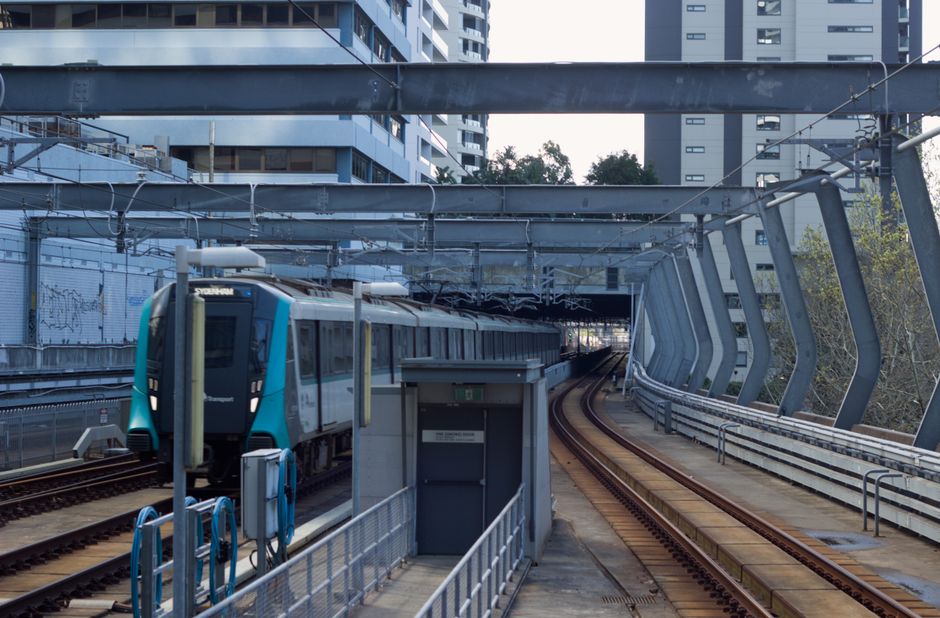
The Metro West construction—while essential infrastructure—has fragmented accessibility in inner west areas like Strathfield, Parramatta, and Westmead. Street crime patterns have shifted as criminal networks adapt to construction disruptions and changed pedestrian flows. Venues that once felt safe now feel exposed during late-night closures due to construction zones.
Socioeconomic factors compound these structural problems. Housing affordability has deteriorated sharply, with median rents in Western Sydney now exceeding $450 weekly for two-bedroom apartments. Youth unemployment in postcodes like 2170 (Mount Druitt) and 2750 (Penrith) hovers above 12 per cent. These pressures don't excuse crime, but they illuminate why antisocial behaviour has accelerated precisely in suburbs where economic opportunity has contracted.
Understanding this context matters not because it absolves responsibility, but because sustainable solutions require addressing root causes alongside urgent enforcement responses. Sydney's safety challenge is as much about infrastructure, employment, and housing policy as it is about policing.
This article was compiled by AI and screened before publishing. See our editorial standards.