Sydney's Housing Crisis Reshapes City Politics Amid Governance Challenges
From planning reforms to infrastructure gridlock, understanding the decisions and delays that built the perfect storm now facing NSW Labor.
From planning reforms to infrastructure gridlock, understanding the decisions and delays that built the perfect storm now facing NSW Labor.
Sydney's political landscape has shifted dramatically over the past decade, shaped by a housing affordability crisis that has redrawn the boundaries of local government priorities and reshaped how the city is governed. To understand where we stand today, it's crucial to trace the path that brought us here.
The turning point came around 2015-2016, when median house prices in inner-west suburbs like Marrickville and Dulwich Hill began their steep climb—rising from roughly $650,000 to over $1.8 million by 2023. This trajectory created a political imperative that successive governments could no longer ignore. The NSW Labor administration inherited this crisis when it returned to power in 2023, inheriting not just a housing shortage but a fractured system of local councils struggling to approve new development.
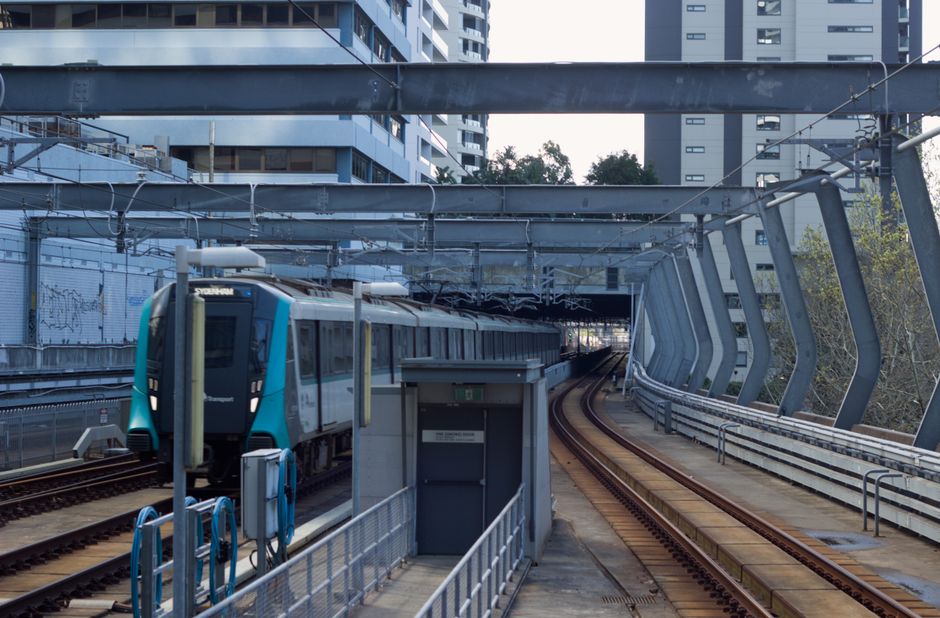
Western Sydney became the proving ground for change. Councils across the Penrith, Parramatta, and Liverpool areas found themselves caught between community demands for suburban character preservation and state government pressure to approve higher-density projects. The construction of Metro West—finally breaking ground after years of planning delays—symbolised both the frustration and the slow-moving infrastructure response that characterised the previous decade.
By 2025, the political arithmetic had shifted. With 47 federal seats in NSW and Labor holding most of Sydney's inner-city electorates, housing became the defining issue for voters in outer suburbs. Councils that once rejected medium-density housing now face state intervention and mandatory planning standards. The local government sector, already strained by rate-payer demands and aging infrastructure, now operates under closer state supervision.
The Port Botany precinct offers another lens on this evolution. Trade pressures and supply chain constraints have forced Sydney to reckon with its role as a global logistics hub—a reality that intersects awkwardly with residential expansion plans and environmental concerns in suburbs like Mascot and Kingsford Smith.
Today's political dynamics reflect this layered history. The NSW Labor government faces pressure from within: progressive inner-city members demanding stricter planning protections and amenity controls, while outer-western MPs push for rapid approval processes to unlock housing supply. Local councils, stripped of some decision-making power, struggle to maintain community trust.
This wasn't inevitable. Different planning decisions in 2010, faster transport approvals in 2015, or earlier zoning reforms might have smoothed Sydney's path. Instead, the compounding delays and ideological disputes created the tight, contested landscape now defining city politics in 2026.
This article was compiled by AI and screened before publishing. See our editorial standards.
How does this story make you feel?
Spread the word
About this article
Published by The Daily Sydney
Daily brief
Free, in your inbox before 7am. Weekdays.
More in News