Metro West Construction Reshapes Sydney's Western Suburbs Housing Plans
New planning amendments this week could accelerate apartment approvals along the Cumberland corridor, but affordability questions remain as construction costs bite.
New planning amendments this week could accelerate apartment approvals along the Cumberland corridor, but affordability questions remain as construction costs bite.
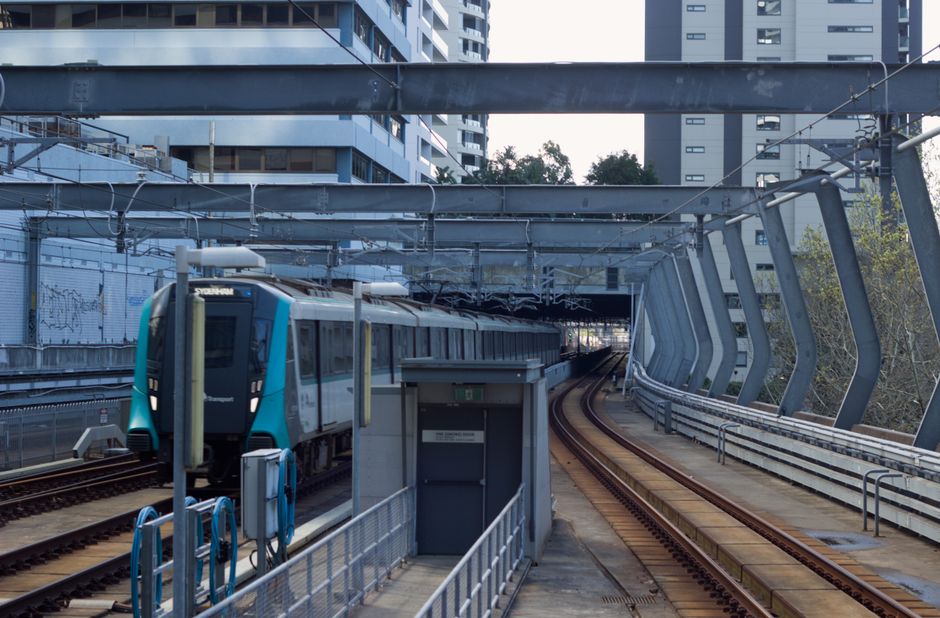
Planning changes announced by NSW authorities this week are set to reshape residential development across Western Sydney, with the Metro West project acting as a catalyst for rapid zoning reforms affecting suburbs from Parramatta to Westmead.
The Department of Planning confirmed on Tuesday that amendments to the State Environmental Planning Policy will fast-track residential and mixed-use applications within 800 metres of future Metro West stations. For Parramatta and Westmead—the two Western Sydney stops on the $14.8 billion rail line—the move opens pathways for higher-density housing developments that have previously faced lengthy approval processes.
Property analysts estimate the changes could unlock supply for thousands of new apartments, particularly crucial as Sydney's median house price hovers near $1.2 million. "We're seeing genuine momentum," said one local development consultant, pointing to preliminary applications already lodged for sites along Church Street in Parramatta and near Westmead Hospital.
However, the week's announcements also highlighted persistent affordability tensions. Community groups representing Western Sydney residents questioned whether accelerated approvals would deliver homes within reach of local incomes, or simply create investment opportunities for interstate and overseas buyers. The Greater Western Sydney Leadership Forum raised concerns during public consultation sessions that mandatory inclusionary zoning provisions—requiring affordable units in new projects—remain comparatively weak compared to other Australian cities.
Construction cost pressures compound the challenge. Building material inflation and labour shortages have pushed development costs up by approximately 18 per cent since 2024, forcing developers to price apartments accordingly. A two-bedroom apartment in emerging precincts like Kellyville or Schofields now typically commands $650,000–$750,000, pricing out many first-home buyers reliant on local employment.
The state government maintains that supply growth outweighs affordability concerns, arguing that increased housing stock will eventually moderate prices. Metro West construction is progressing on schedule, with tunnelling works accelerating through the Parramatta CBD. Planning authorities expect the first major development approvals under the new framework within weeks.
Meanwhile, Port Botany precinct planning continues in parallel, with industrial-to-residential conversion discussions underway for sites south of Alexandria. That neighbourhood, traditionally working-class, faces potential transformation that has sparked debate about heritage preservation and existing resident displacement.
For Sydney's 47 federal seat holders, housing policy remains the dominant local conversation. This week's moves suggest the state government is betting that construction volume—not price controls—offers the best political cover heading toward 2027.
This article was compiled by AI and screened before publishing. See our editorial standards.
How does this story make you feel?
Spread the word
About this article
Published by The Daily Sydney
Daily brief
Free, in your inbox before 7am. Weekdays.
More in News