Sydney Launches Major Green Projects Across Inner West and Port Botany
From Inner West retrofit schemes to Port Botany decarbonisation targets, the city's environmental agenda is shifting into higher gear.
From Inner West retrofit schemes to Port Botany decarbonisation targets, the city's environmental agenda is shifting into higher gear.
Sydney's environmental sector has experienced a significant week of progress, with multiple initiatives moving forward across transport, housing and maritime industries—signalling a broadening commitment to sustainability across the city's sprawling 47 federal seats.
The most substantive development came from Port Botany, where stakeholders announced accelerated decarbonisation targets ahead of the 2030 review period. The port authority unveiled plans to retrofit existing cargo handling equipment with electric alternatives, reducing emissions from one of Australia's busiest trade hubs by an estimated 35 per cent within five years. The initiative addresses mounting pressure from importers and exporters navigating increasingly stringent international environmental standards.
In the Inner West, a coalition of councils spanning Marrickville, Enmore and Newtown has launched an expanded retrofit acceleration program. The scheme, targeting terrace housing stock built before 1980, offers subsidised energy audits and grants covering up to 40 per cent of upgrading costs. With heating and cooling accounting for roughly 40 per cent of residential energy consumption in older Sydney dwellings, the program aims to reduce household utility bills while addressing embodied carbon in the existing building fabric. Initial uptake has exceeded projections, with over 280 applications lodged in the opening fortnight.
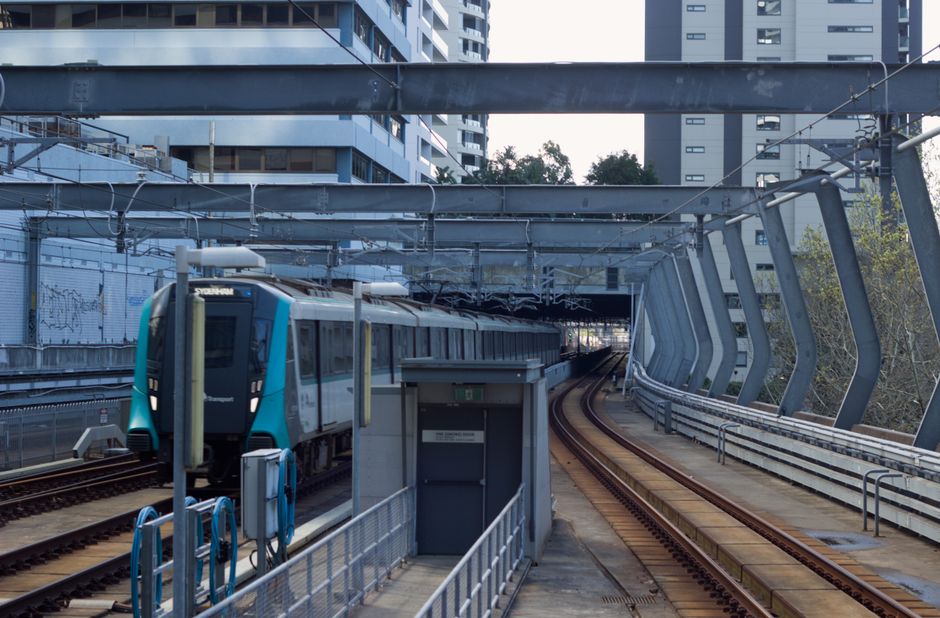
Metro West's ongoing construction through the Inner West has also prompted renewed focus on construction-phase sustainability. Contractors reported implementing enhanced waste diversion protocols at the Parramatta to Sydenham corridor, with targets to recycle or recover 90 per cent of excavation spoil and construction debris—a marked increase from historical benchmarks.
Western Sydney's rapid residential growth continues to intersect with environmental planning. Penrith and Campbelltown councils advanced joint water management strategies, incorporating native vegetation corridors and detention basins designed to manage stormwater while supporting biodiversity. The approach reflects lessons learned during recent summer flood events that impacted outer suburbs.
The NSW Labor government has reinforced its commitment to the net-zero target through infrastructure investment, though critics argue the pace remains insufficient given the scale of the housing crisis and associated development pressure. Environmental advocates highlight that sustainability initiatives must now scale dramatically to align with emissions reduction trajectories.
These developments underscore Sydney's positioning as an environmental policy laboratory, where multicultural communities and major industries are increasingly factor environmental outcomes into planning decisions. The convergence of housing demand, trade imperatives and climate accountability suggests sustainability will remain central to political debate across the metropolitan area.
This article was compiled by AI and screened before publishing. See our editorial standards.
How does this story make you feel?
Spread the word
About this article
Published by The Daily Sydney
Daily brief
Free, in your inbox before 7am. Weekdays.
More in News