Sydney Leaders Commit to Bold Emissions Cuts as Climate Crisis Accelerates
Local officials and environmental experts outline fresh commitments to reduce emissions and transform transport, but warn the window for action is closing rapidly.
Local officials and environmental experts outline fresh commitments to reduce emissions and transform transport, but warn the window for action is closing rapidly.
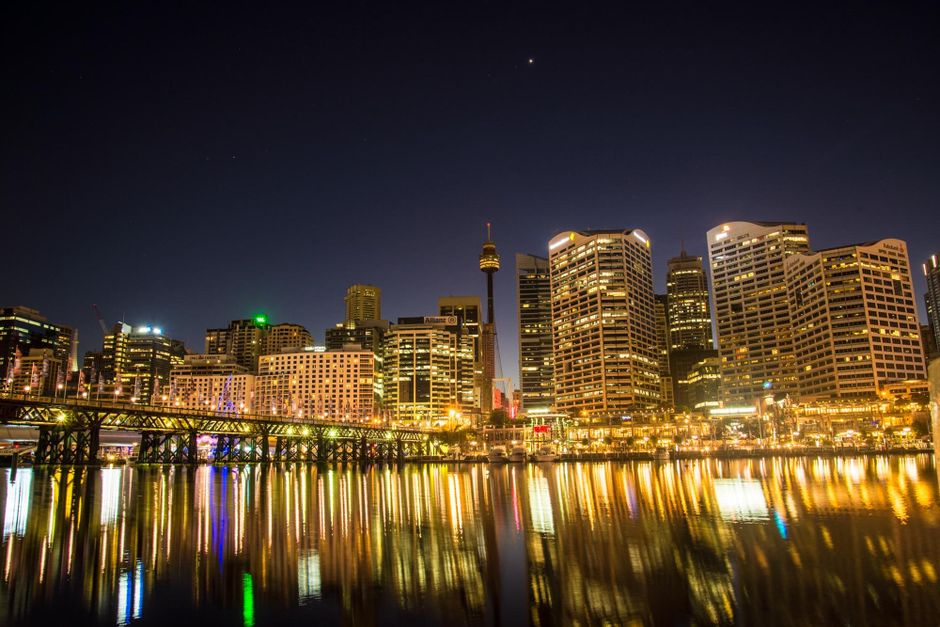
As Sydney confronts the dual pressures of rapid population growth and climate commitments, sustainability leaders across government and the private sector are signalling a significant shift in how the city tackles environmental challenges over the next decade.
The push comes as Western Sydney's sprawling suburbs—from Penrith to Campbelltown—continue expanding at unprecedented rates, straining water resources and infrastructure. Officials at the NSW Environment Protection Authority have indicated that meeting net-zero targets by 2050 requires transformative action starting immediately, particularly in transport and urban planning.
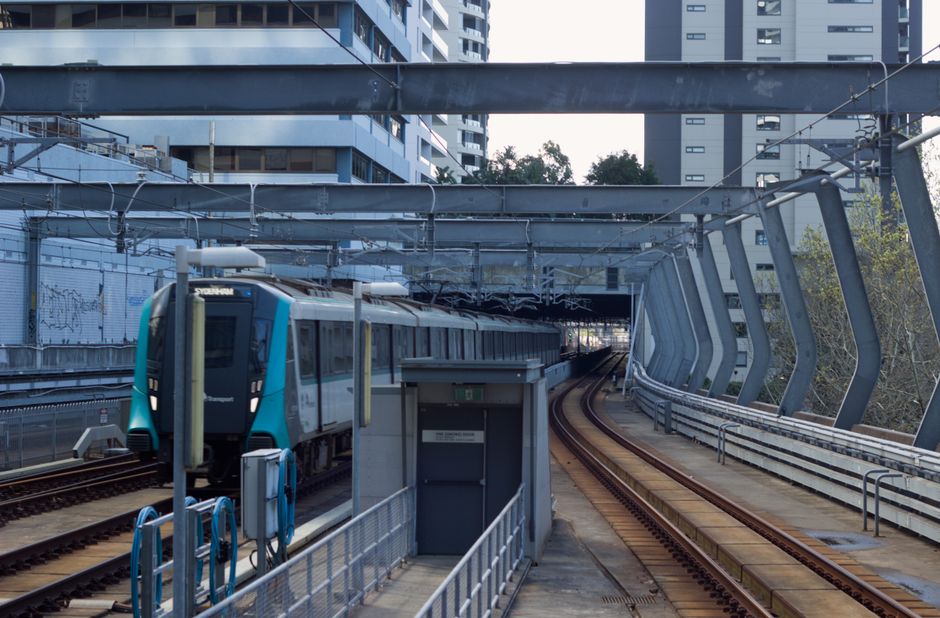
The Metro West project, currently under construction and set to link Parramatta to Barangaroo, has become a focal point for sustainability discussions. Transport planners argue the $14.7 billion investment represents critical infrastructure for reducing car dependency across the metropolitan area, though critics contend more aggressive public transport expansion is essential to match housing growth in outer suburbs.
Business leaders from the Port Botany precinct and the broader logistics sector have acknowledged their environmental footprint. Port authority representatives have outlined plans to transition to renewable energy and electrify cargo handling equipment, though implementation timelines remain subject to federal funding certainty.
Environmental consultants analysing Sydney's building sector—a major emissions contributor—point to NSW government incentive schemes aimed at retrofitting older commercial stock in the CBD and inner suburbs like Parramatta and Strathfield. The regulatory framework encouraging green building certifications has gained momentum, though industry analysts suggest compliance costs may pass to renters in an already stressed housing market where median rents exceed $600 per week across many inner suburbs.
Water management has emerged as equally pressing. Experts from university research institutes and council-level environmental officers emphasise that Greater Sydney's reliance on dam systems—already stressed by population demand—necessitates significant investment in recycled water infrastructure and stormwater capture systems.
Dr. specialists at the University of Sydney and UNSW have published research highlighting the urgency of emissions reductions in the next 3-5 years, warning that delayed action will compound adaptation costs. Local government representatives, speaking collectively through Local Government NSW, have called for clearer state-level policy frameworks and adequate funding to implement local sustainability plans.
The NSW Labor government has committed to increased funding for environmental programs, though competing demands—particularly the housing crisis—mean sustainability spending remains contested within budget cycles. As Sydney's population approaches 6 million, the question of whether voluntary commitments and targeted investments will deliver the necessary transformation remains contentious among experts and officials alike.
This article was compiled by AI and screened before publishing. See our editorial standards.
How does this story make you feel?
Spread the word
About this article
Published by The Daily Sydney
Daily brief
Free, in your inbox before 7am. Weekdays.
More in News