Sydney is absorbing migrants at a rate that rivals Toronto and exceeds Singapore's, yet policy experts warn the city's approach differs fundamentally from how comparable global cities manage integration and housing pressure.
Australia's net overseas migration hit record levels in 2024-25, with NSW capturing roughly 40 per cent of arrivals. Sydney's population is projected to reach 6 million by 2046, a 30 per cent increase driven almost entirely by immigration. That's comparable to Toronto's growth trajectory over the past decade, but Toronto invested heavily in purpose-built migrant settlement infrastructure decades ago—something Sydney is attempting to retrofit.
"Toronto and Vancouver built their multicultural identity intentionally," says Dr James Chen, an urban demographer at the University of Technology Sydney. "Singapore, meanwhile, tightly controls migration numbers and mandates employer responsibility for housing. Sydney is doing neither—we're reactive, not proactive."
The housing squeeze tells the story. A modest three-bedroom home in Penrith now averages $1.2 million, up from $650,000 in 2020. Newcomers cluster in cheaper pockets: Wiley Park, Canley Vale, and Fairfield now house disproportionate numbers of recent arrivals. By contrast, Toronto distributed migrants across multiple nodes, and Berlin's housing authority legally requires landlords to offer affordable stock.
Yet Sydney's cultural infrastructure—the Bankstown City Library's 22-language collection, the Lakemba Mosque precinct, sprawling Vietnamese communities along Kingsford Smith Drive in Marrickville—suggests organic, bottom-up integration thriving despite policy gaps.
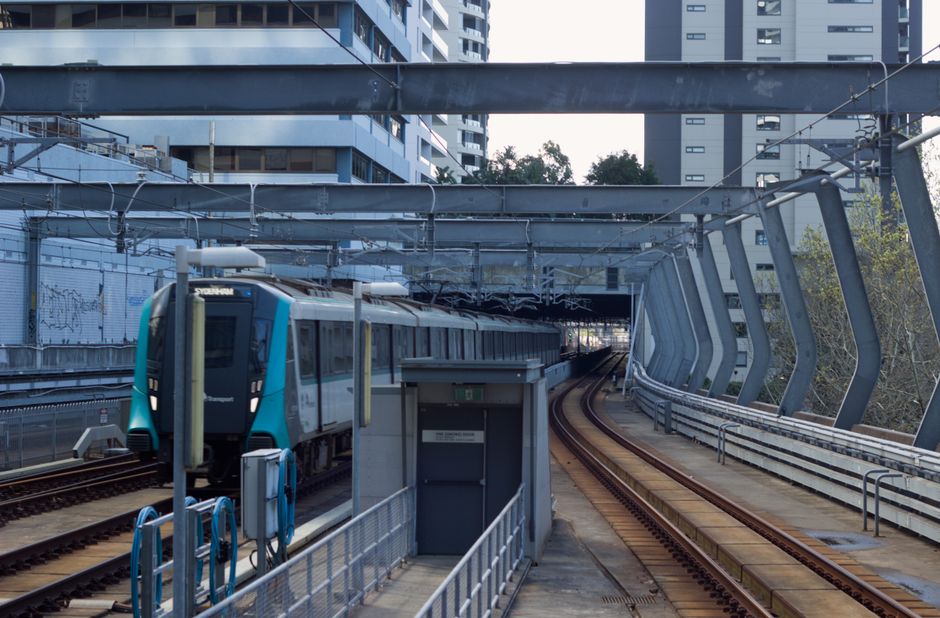
The NSW Labor government, eager to ease the crisis, is banking on Metro West reaching Western Sydney suburbs by 2032, theoretically unlocking housing development corridors. It's a play Toronto made with the TTC expansion in the 1990s, though Toronto's worked faster. Singapore's approach—mandating mixed-income public housing across the island—remains a world apart from Australian property culture.
Community organisations like Settlement Services International and the Multicultural Community Services Association operate at full stretch, managing language support, job placement, and cultural orientation. They've absorbed recent funding boosts but operate within constraints their Toronto and Melbourne counterparts don't face.
Sydney's competitive advantage lies in its established diaspora networks and economic opportunities. But the window for planned, rather than chaotic, growth is narrowing. Without Toronto-style settlement infrastructure or Singapore-style housing mandates, Sydney risks repeating mistakes these cities learned to avoid.
This article was compiled by AI and screened before publishing. See our editorial standards.