Sydney's environmental consciousness didn't emerge overnight. For decades, the city's explosive growth—from 3.6 million residents in 2000 to over 5.3 million today—created a perfect storm of congestion, pollution, and sprawl that finally forced a reckoning.
The turning point came during the 2020s, when recurring hazard-reduction burn seasons blanketed Greater Sydney in smoke for weeks, with the Blue Mountains and Nepean regions facing unprecedented bushfire threats. Air quality in Western Sydney—already dealing with industrial pollution from Port Botany and Homebush Bay—hit alarming levels. Schools in Penrith and Parramatta reported respiratory issues among children, galvanising parents and health advocates to demand systemic change.
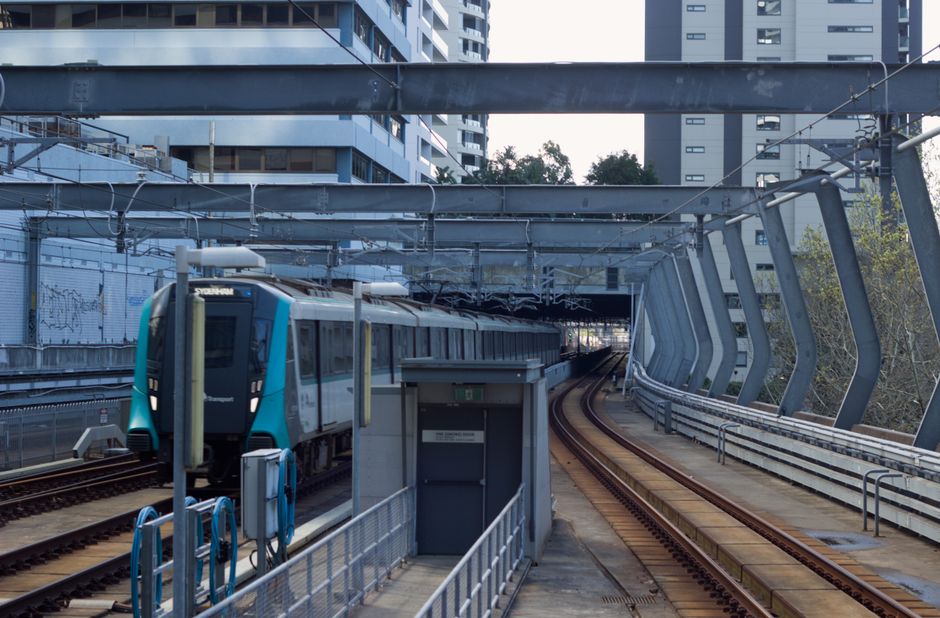
This crisis coincided with the housing shortage sweeping through suburbs like Strathfield, Marrickville, and Rockdale, where densification became inevitable. Rather than repeat mistakes of car-dependent sprawl in outer rings, planners recognised an opportunity: embed sustainability into the rebuild. The Metro West project, approved after years of consultation, embodied this shift—fewer cars, more public transport, green corridors through Sydenham and Bankstown.
Local councils accelerated their own initiatives. Inner West Council's commitment to net-zero emissions by 2035, paired with initiatives in Inner Sydney, created momentum. Marrickville's laneway greening projects and Enmore's community gardens became models. Meanwhile, Parramatta and Penrith councils, facing the brunt of Western Sydney's growth, invested heavily in urban cooling strategies and renewable energy targets.
The private sector followed suit, partly driven by regulatory pressure and partly by younger professionals—particularly in Surry Hills and Pyrmont—demanding sustainable neighbourhoods. Property values in green-certified developments began reflecting this preference, sending clear market signals. Banks and investors increasingly tied funding to environmental credentials.
By 2025, Sydney's sustainability initiatives had matured beyond tokenism. Water recycling infrastructure became standard in new developments. Solar subsidies through state government rebates made rooftop panels commonplace across the Eastern Suburbs and Sutherland Shire. The shift wasn't painless—construction delays, higher initial costs, and resistance from traditionalists created friction—but the momentum proved irreversible.
Today's sustainability agenda isn't separate from Sydney's housing and transport challenges; it's woven through them. As Metro West construction progresses and Western Sydney continues its transformation, these projects embed environmental thinking by default. The city learned, through years of air quality warnings and climate anxiety, that sustainability isn't a luxury addition—it's foundational to livability itself.
This article was compiled by AI and screened before publishing. See our editorial standards.