Western Sydney Housing: Metro West & Growth Impact
Metro West completion reshapes Parramatta, Penrith, Liverpool. How densification affects affordability, community planning, and your neighbourhood's future.
Metro West completion reshapes Parramatta, Penrith, Liverpool. How densification affects affordability, community planning, and your neighbourhood's future.

The construction hoardings along Church Street in Parramatta tell a familiar story across Western Sydney: change is coming, and it's moving fast. With Metro West's completion now visible on the horizon and residential development reshaping suburbs from Penrith to Liverpool, communities face pivotal choices about what their neighbourhoods become next.
The decisions ahead are urgent. Housing remains Sydney's defining crisis—median prices in established Western Sydney suburbs have climbed beyond $1.2 million, pricing out generation after generation. Yet new apartments rising along Westfield Street and Elizabeth Street in Parramatta haven't solved affordability; they've often deepened it. The question now is whether communities will accept the pace and nature of densification, or push back.
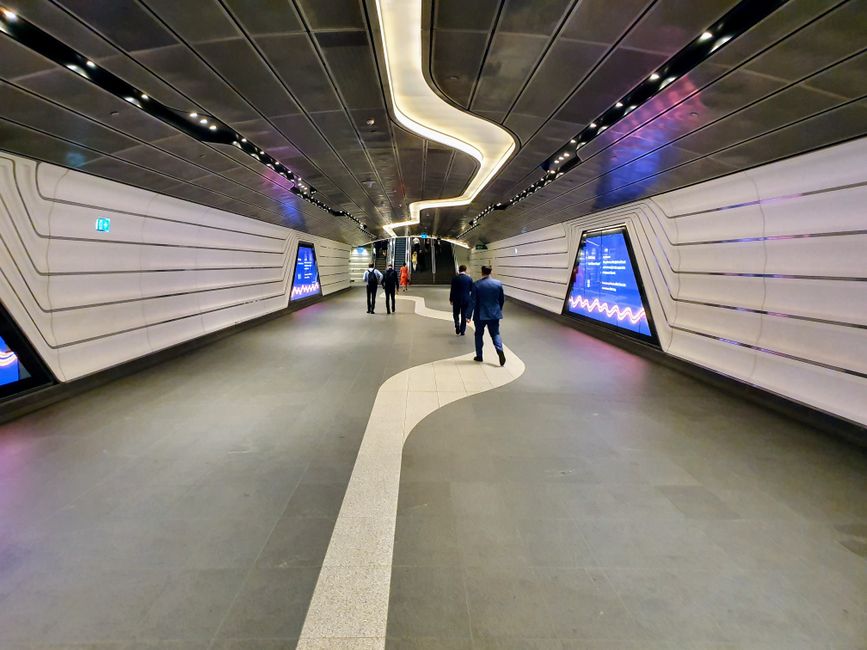
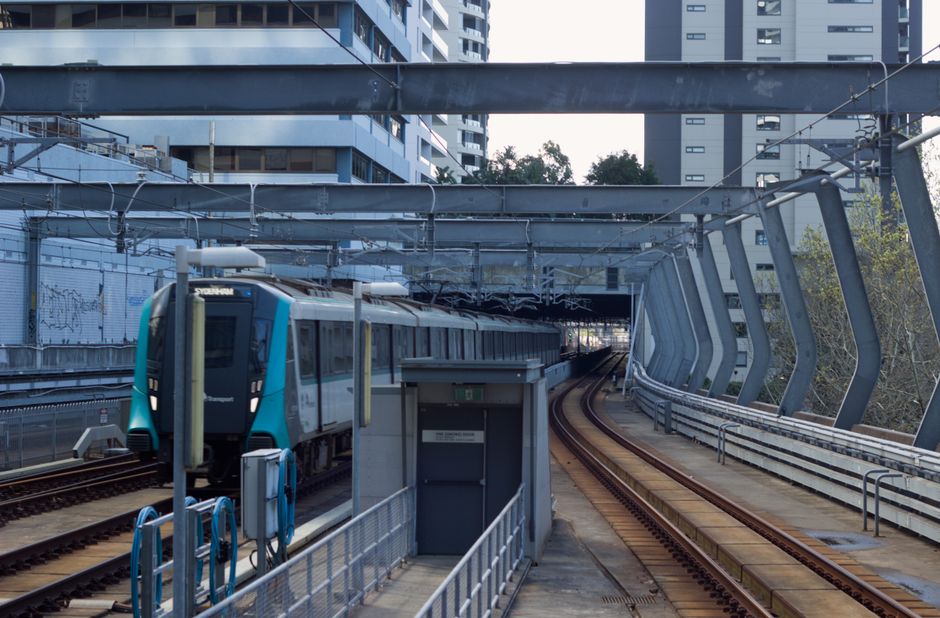
At the heart of this tension lies Metro West itself. When the line opens, property values within walking distance of stations at Westmead, Parramatta, Castle Hill and Sydenham will shift again. Residents and local councils must decide: do they embrace higher-density housing near transit nodes, or protect heritage streetscapes and leafy character? Strathfield and Ashfield faced this reckoning years ago. Parramatta, Penrith and Liverpool are living it now.
Beyond housing, infrastructure pressure is mounting. Schools in suburbs like Glenwood and Emu Plains are at or near capacity. Local shops and community facilities—the social glue that makes neighbourhoods function—are being squeezed out by chain retailers and corporate landlords. The Parramatta RSA on Church Street, the library spaces in Penrith's town centre, small grocers across Liverpool—these institutions face uncertain futures.
For Western Sydney's multicultural communities, the stakes feel even sharper. Migration continues to reshape the region's demographics. Which languages will be served by local services? Will community halls and cultural organisations survive rising rents? How will local government balance heritage protection with enabling new residents to belong?
The NSW Labor government has outlined growth targets for Western Sydney, backed by investment in schools and health services. But implementation depends on local councils, developers and residents negotiating what growth actually looks like on their streets. Parramatta Council's recent planning battles and Penrith's transport advocacy suggest these aren't passive processes—communities are organising.
By 2028, Metro West will be operating, thousands of new homes will have been built, and Western Sydney's demographic map will have shifted again. The question isn't whether change will happen; it's who gets to shape it. Over the coming months, that conversation will intensify at community forums, council meetings and kitchen tables across the region. What emerges will define these suburbs for decades.
This article was compiled by AI and screened before publishing. See our editorial standards.
How does this story make you feel?
Spread the word
About this article
Published by The Daily Sydney
Daily brief
Free, in your inbox before 7am. Weekdays.
More in News