Sydney's Migration Crisis Forces Federal, State Leaders to Act Now
Federal and state leaders acknowledge strain on infrastructure and services as new migrant arrivals reshape Western Sydney's demographic and housing landscape.
Federal and state leaders acknowledge strain on infrastructure and services as new migrant arrivals reshape Western Sydney's demographic and housing landscape.

Sydney's migration boom is approaching a pivotal moment, according to senior government officials and settlement experts who gathered this week to assess the city's capacity to absorb ongoing population growth.
The cautionary assessment emerged from closed-door briefings at the Department of Home Affairs regional office in Parramatta, where state and federal representatives acknowledged mounting pressures on housing, schools, and healthcare services across Western Sydney—the primary landing zone for newly arrived migrants.
Housing affordability remains the flashpoint. Median rents in Penrith and Campbelltown have surged 18 per cent year-on-year, according to migration settlement agencies operating across the region. A two-bedroom apartment in Westfield's Parramatta precinct now commands $2,400 monthly, forcing newly arrived families to seek accommodation further west along the M4 corridor.
Officials representing the Settlement Council of Australia and Multicultural NSW have privately expressed concern that without coordinated planning, service delivery gaps could widen. Healthcare infrastructure is particularly strained; general practitioners in suburbs like Blacktown and Mt Druitt report wait times exceeding six weeks for new patient appointments.
"The narrative around migration has shifted," one senior state government official said during background discussions. "We're no longer simply welcoming newcomers—we're managing integration at scale, and that requires honest conversation about capacity."
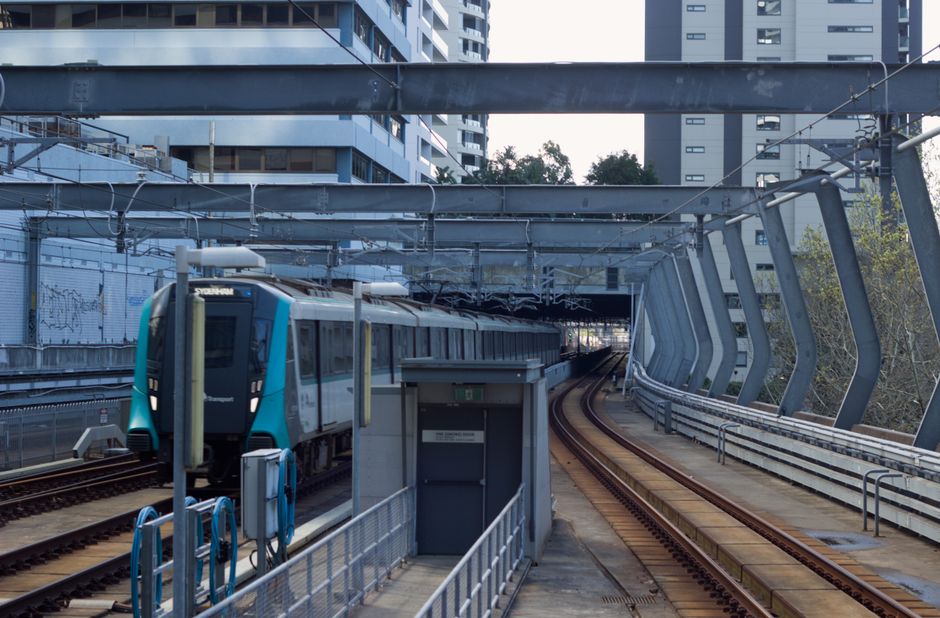
The NSW Labor government's planning framework, tied to Metro West construction and Western Sydney airport development, is being reassessed to align infrastructure spending with population projections. The Greater Sydney Commission has flagged that current planning timelines may not keep pace with demographic change.
Despite the concerns, experts emphasise Sydney's track record. The city's multicultural fabric—shaped by successive waves of migration from Southern Europe, Asia, and the Middle East—remains a competitive advantage. Business leaders note that migrant entrepreneurs have driven job creation across construction, hospitality, and professional services.
The conversation also touches on secondary settlement patterns. Fewer migrants are remaining in Sydney's inner west, instead heading directly to Penrith, Campbelltown, and emerging precincts along the Western Sydney aerotropolis corridor.
Officials have flagged a need for clearer communication with the public about migration benefits and challenges. Community consultation is scheduled for late 2026, with particular focus on Western Sydney suburbs experiencing rapid demographic shifts.
The consensus among settlement authorities: Sydney's multicultural identity is non-negotiable, but the pathway forward requires upgraded infrastructure, realistic timelines, and genuine partnership between all tiers of government.
This article was compiled by AI and screened before publishing. See our editorial standards.
How does this story make you feel?
Spread the word
About this article
Published by The Daily Sydney
Daily brief
Free, in your inbox before 7am. Weekdays.
More in News