For thousands of Sydney commuters, the morning journey from Parramatta to the CBD currently means wrestling with congested M4 traffic or waiting for crowded trains on the T1 Western Line. By 2030, Metro West promises to change that entirely—but first, residents must navigate years of construction chaos and rising living costs in affected areas.
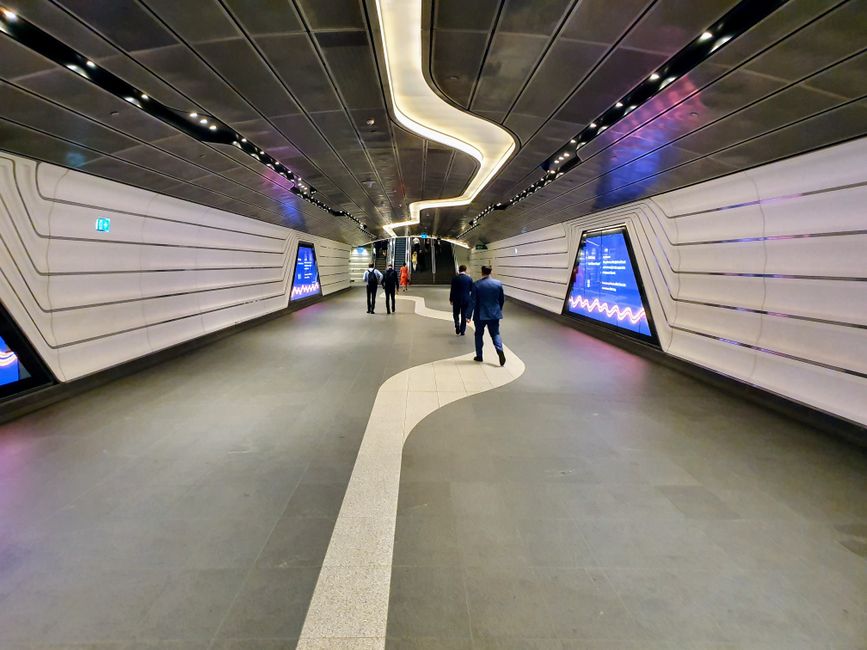
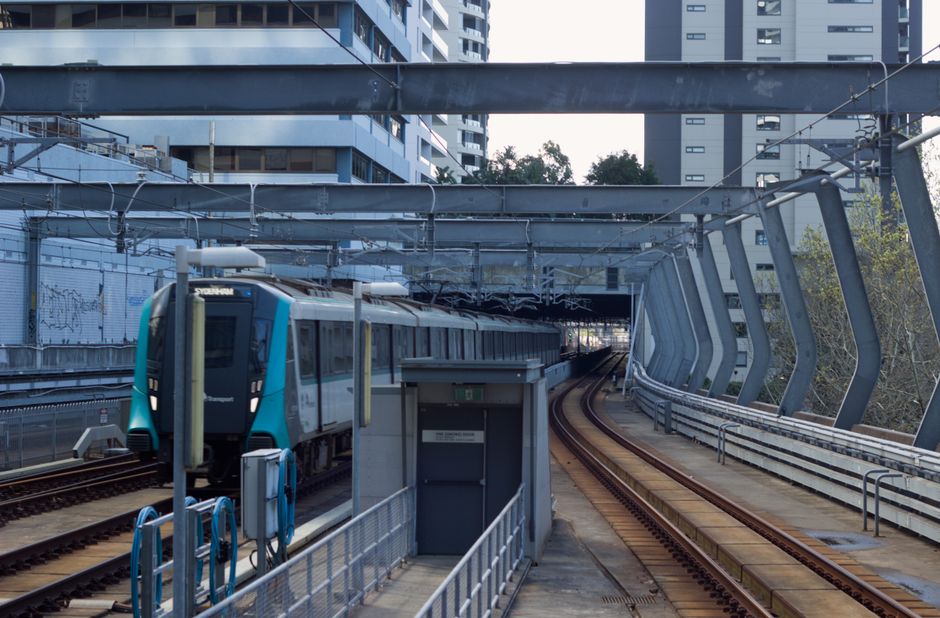
The $25 billion project, currently under construction, will deliver a new metro line connecting Westmead, Parramatta, and the CBD via stations at Strathfield, Pyrmont, and the Barangaroo precinct. For Western Sydney families already grappling with median house prices exceeding $1.2 million in suburbs like Epping and Thornleigh, the infrastructure debate feels urgent. Better transport connections could theoretically ease housing demand pressure by making outer suburbs more accessible—yet construction impacts are already visible.
Pymble and Thornleigh residents have reported significant disruptions during the Crows Nest station work on the Northern Line extension, a comparable project that demonstrates what's to come. Local businesses saw foot traffic decline during peak construction phases, while property values in immediately affected areas fluctuated before recovering once works progressed.
Meanwhile, at Port Botany, separate expansion plans promise to boost Sydney's container handling capacity by 40 percent. This matters far beyond the industrial precinct. Enhanced port efficiency could stabilize shipping costs for consumer goods, potentially easing cost-of-living pressures—though economists caution benefits take years to materialise.
The human cost is more immediate. Construction jobs will create opportunities for Western Sydney workers, addressing youth unemployment in postcodes like Penrith and Mount Druitt. Yet residents near active sites—from Marrickville to Granville—face noise, traffic diversions, and mental health impacts documented in transport infrastructure studies.
For students at Macquarie University and workers across North Sydney, Metro West represents genuine opportunity: a 20-minute commute to the CBD instead of 45 minutes. For Parramatta's increasingly dense residential zones, it unlocks feasibility for medium-density housing that can't function without rapid transit.
The NSW Labor government has staked significant political credibility on these projects, particularly as housing remains the state's dominant election issue. Success requires not just delivering on time and budget, but managing community disruption, protecting local businesses, and ensuring benefits genuinely reach working-class neighbourhoods rather than simply enriching developers.
For Sydney residents, infrastructure isn't abstract policy—it's about whether you can afford to live near work, whether your street becomes a construction site, and whether investments made today actually improve your quality of life tomorrow.
This article was compiled by AI and screened before publishing. See our editorial standards.