As Sydney's property market continues its relentless climb, a closer look at the neighbourhood-level data tells a story far more complex than headline prices alone. Recent analysis of Australian Bureau of Statistics figures, combined with CoreLogic valuations, reveals the dramatic reshaping of suburbs from Penrith to Parramatta—and the communities caught in transition.
Consider Westmead, anchored by the sprawling hospital precinct. Median house prices have surged 34 per cent in the past two years to $1.24 million, while unit values jumped 28 per cent to $680,000. Yet the demographic snapshot is revealing: 62 per cent of residents were born overseas, with the largest cohorts from India, China and the Philippines. These aren't wealthy investors; they're essential workers—nurses, technicians, small business owners—priced increasingly out of their own neighbourhoods.
The rental market tells an even starker picture. A two-bedroom apartment in Parramatta now commands $2,100 monthly—up 41 per cent since 2022. For households earning the Western Sydney median of $89,000 annually, this represents 28 per cent of gross income, well above the sustainable 25 per cent benchmark. Across Mount Druitt, Rooty Hill and Emerson, vacancy rates hover around 0.8 per cent—the lowest in a decade.
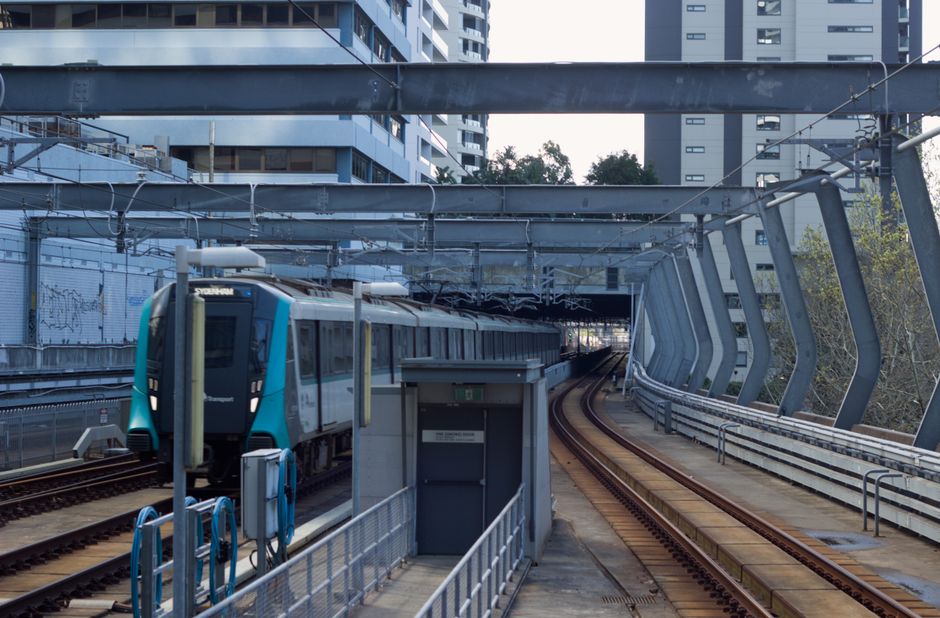
Yet infrastructure development hasn't kept pace. The Metro West extension to Westmead won't arrive until 2032. Meanwhile, population density in some pockets of Liverpool and Fairfield has increased 18 per cent over five years, straining schools—Fairfield High School now operates at 96 per cent capacity—and GP services, with ratios of one doctor per 2,400 residents in some areas, versus the NSW average of one per 1,850.
Curiously, community participation metrics remain steady. Volunteering rates in Western Sydney suburbs (14 per cent of residents) match the national average. Local sporting clubs in areas like Penrith and Auburn report stable membership numbers. It suggests something important: rapid change isn't eroding community bonds, but it is redefining who belongs.
The Bankstown-Canterbury Mosque recorded a 23 per cent increase in weekly attendees over three years. Multicultural festivals in Parramatta attract crowds exceeding 85,000. Yet small business survival rates have dipped: 31 per cent of retail outlets on Church Street, Parramatta, changed hands between 2020 and 2025.
These numbers—price, density, capacity, diversity—paint Sydney's western neighbourhoods not as monolithic or static, but as landscapes where economic pressure, cultural vitality and community resilience coexist in uneasy tension.
This article was compiled by AI and screened before publishing. See our editorial standards.