Sydney Neighbourhoods Build Community Resilience Amid Housing Pressures
As housing pressures mount, local initiatives in Western Sydney and inner suburbs offer lessons other world cities are watching closely.
As housing pressures mount, local initiatives in Western Sydney and inner suburbs offer lessons other world cities are watching closely.
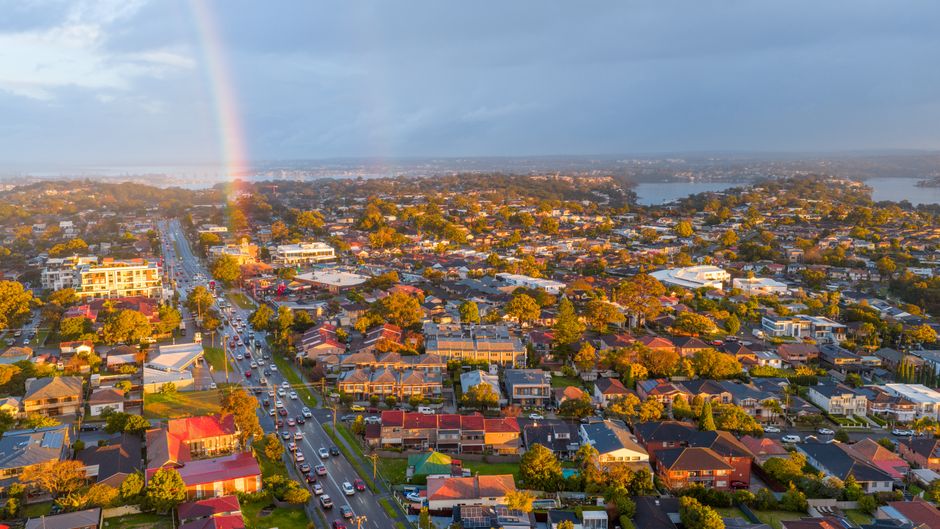
Sydney's approach to neighbourhood cohesion is increasingly attracting international attention as housing affordability and rapid urbanisation test social fabric across global cities. While Melbourne, Vancouver, and London grapple with fragmentation, Sydney's Western Sydney suburbs are pioneering models that blend density with belonging.
Penrith and Parramatta have become case studies in intentional community building. The Penrith Valley's population growth—projected to add 200,000 residents over the next decade—mirrors challenges faced by Toronto and Berlin. Yet local organisations like Penrith City Council's community hubs and grassroots initiatives in Westmead are emphasising precinct-wide cultural programming rather than relying solely on property-led regeneration. This stands in contrast to Vancouver's neighbourhood fragmentation, where rapid development has eroded long-standing community networks.
In inner Sydney, Marrickville and Redfern demonstrate how established neighbourhoods maintain identity during gentrification. The median house price in Marrickville has climbed to $1.8 million, comparable to Brooklyn and Hackney in London. Yet community-led initiatives—from Carriageworks markets to street-level activism—have preserved cultural ownership in ways Barcelona's Gothic Quarter has struggled to maintain.
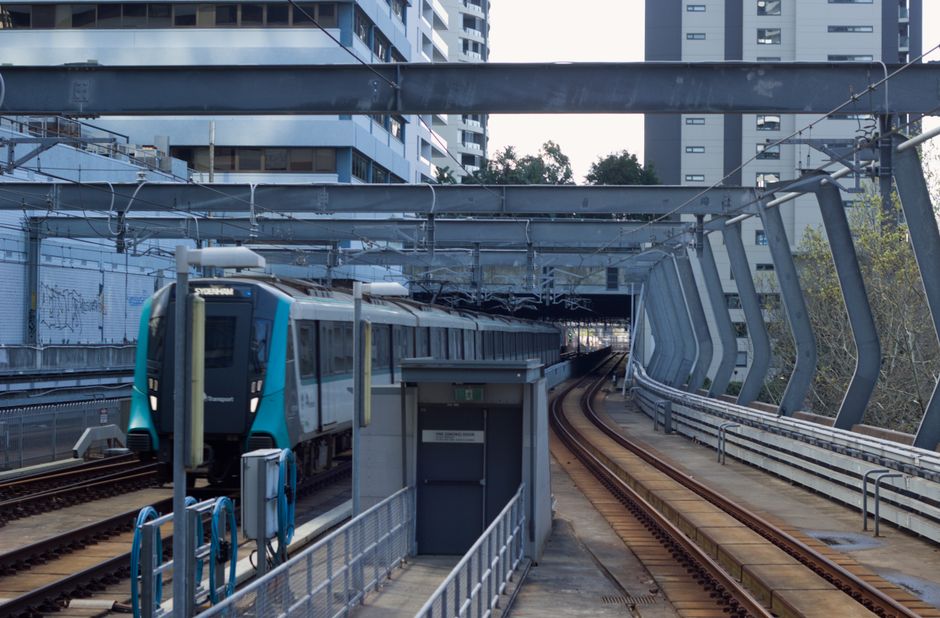
The Metro West project offers another revealing comparison. Unlike London's Elizabeth Line or Singapore's Thomson-East Coast extension, which prioritised commuter efficiency over community activation, Sydney's planning includes dedicated creative and social spaces. Stations at Westmead and Parramatta incorporate community facilities from inception, addressing lessons learned from Melbourne's sprawl management.
Data tells a complex story. Sydney's multicultural profile—with nearly 40 per cent born overseas—requires neighbourhood infrastructure that celebrates difference rather than manages it. Suburbs like Auburn and Lakemba host thriving cultural precincts, contrasting with Toronto's more siloed ethnoburb model.
However, challenges persist. Rental stress in Western Sydney now exceeds comparable outer suburbs in Melbourne and Brisbane. Community spaces remain underfunded relative to population growth. The NSW Labor government's housing strategy emphasises density but has been slower than comparable jurisdictions to mandate inclusive design or community contributions.
International observers note Sydney's advantage: geography and existing networks allow neighbourhood-scale intervention. Bondi to Cronulla's coastal communities, or the Nepean River corridor suburbs, maintain geographic identity that sprawling cities like Phoenix and Dallas lack.
As Metro West construction accelerates and Western Sydney's population surpasses Melbourne's outer ring, the model Sydney develops will matter globally. Cities watching include Dublin, expanding rapidly without losing neighbourhood character; and Toronto, actively redesigning its neighbourhood-inclusion strategy. Sydney's success depends on whether planners prioritise community infrastructure as seriously as transport links—something our global peers are betting on us to prove.
This article was compiled by AI and screened before publishing. See our editorial standards.
How does this story make you feel?
Spread the word
About this article
Published by The Daily Sydney
Daily brief
Free, in your inbox before 7am. Weekdays.
More in News