Sydney's housing emergency didn't arrive overnight. It was built, brick by brick, through a series of policy decisions—and non-decisions—stretching back to the early 2000s when property investment became the nation's favourite financial instrument and urban planners struggled to keep pace with the city's relentless growth.
The numbers tell a stark story. In 2003, median house prices in suburbs like Parramatta hovered around $450,000. Today, they've surpassed $1.2 million. Meanwhile, rental vacancy rates have collapsed to record lows. In inner-west hotspots like Marrickville and Dulwich Hill, finding an available apartment means competing against dozens of applicants for a single two-bedroom. Western Sydney—the supposed growth corridor—has become equally unaffordable, with developments in Penrith and Windsor now pricing out the very workers employed at the manufacturing and logistics facilities that were supposed to anchor regional jobs.
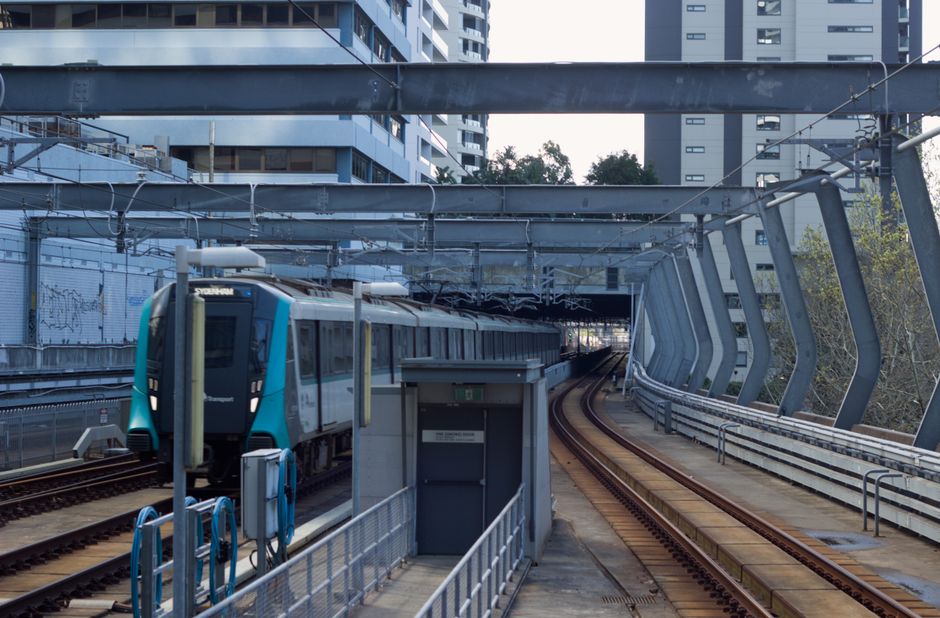
The planning framework proved inadequate from the start. Local councils across Sydney's 47 federal seats operated under fragmented zoning restrictions designed for a city half its current size. Developments in established neighbourhoods faced years of community consultation and legal challenges. Meanwhile, greenfield sites in the outer reaches demanded new infrastructure—roads, schools, medical facilities—that councils lacked funding to deliver. Metro West construction has unlocked some potential around Parramatta and the inner west, but infrastructure investment lagged residential demand by a full decade.
Foreign investment, initially welcomed as economic stimulus, warped the market further. Investment apartments proliferated in Barangaroo, Darling Harbour, and South Sydney, pricing out first-home buyers while sitting empty or rented short-term through platforms. Data from the last census revealed thousands of dwellings occupied less than half the year—investment holdings rather than homes.
The NSW Labor government inherited this dysfunction in 2023. By then, the crisis had crystallised: nurses, teachers, and aged-care workers were leaving Sydney because they couldn't afford to stay. Businesses struggled to recruit. Three-generation households became common as families doubled up to manage rents consuming 40, 50, sometimes 60 per cent of income.
Understanding how Sydney arrived here matters. This wasn't market failure in isolation. It was zoning restrictions, development approval delays, tax settings favouring investment over owner-occupation, and infrastructure spending that never quite matched population growth. The crisis represents the accumulated weight of two decades of reactive rather than planned decision-making.
Solutions exist, but they're complex and politically difficult. They require state and local governments working in genuine coordination, international investment rules tightened, and planning systems dramatically accelerated. Sydney's housing emergency is urgent. But it's also a problem that required decades to create—and won't be solved in one electoral cycle.
This article was compiled by AI and screened before publishing. See our editorial standards.