Sydney's housing crisis deepens after decade of missed policy opportunities
From Parramatta's explosive growth to inner-city stagnation, the decisions—and non-decisions—of the past ten years have locked Sydney into a deepening affordability bind.
From Parramatta's explosive growth to inner-city stagnation, the decisions—and non-decisions—of the past ten years have locked Sydney into a deepening affordability bind.
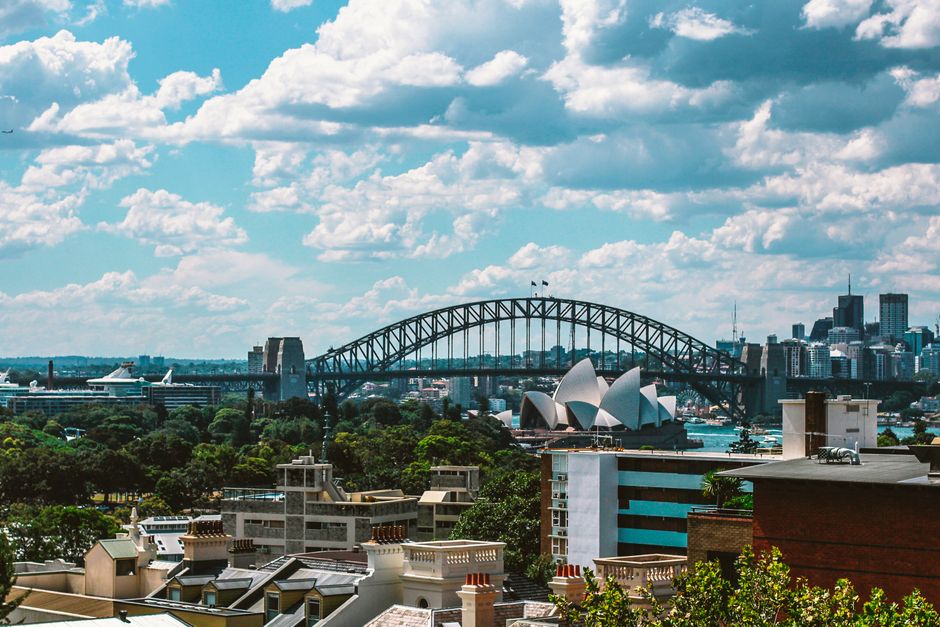
Sydney's housing emergency didn't arrive overnight. It accumulated through a series of planning choices, regulatory hesitations, and demographic shifts that have compressed the city's supply into pockets of scarcity while demand has surged relentlessly.
The trajectory is visible in the numbers. A median house price of $1.2 million across greater Sydney in 2026 represents a 140 per cent increase since 2015. In Western Sydney suburbs like Penrith and Parramatta—the growth corridors identified by successive state governments as Sydney's demographic future—supply has struggled to keep pace with an influx of families priced out of inner areas. Yet even Parramatta's median has climbed to $850,000, dragging affordability out of reach for first-home buyers across the entire region.
The roots trace back further. Restrictive zoning laws that treated Sydney's suburbs as immutable residential fortresses meant that for years, opportunities to increase density near transport nodes were squandered. The Parramatta CBD, despite being positioned as a second CBD, took until the early 2020s to see meaningful residential tower development. By then, the damage—a shortage mentality baked into planning policy—was entrenched.
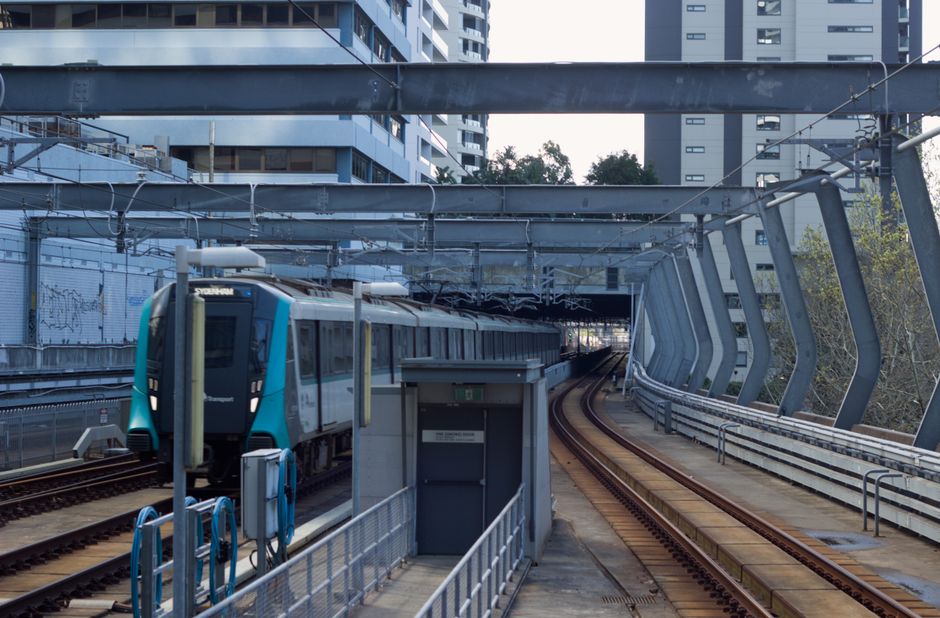
Immigration policy compounded the pressure. Sydney, as Australia's primary settlement hub, absorbed roughly 40 per cent of the nation's permanent migrants. Between 2015 and 2025, the city's population grew by nearly a million people. Yet housing construction, particularly in the 2018-2020 period, flatlined. The Metro West project, essential infrastructure for unlocking development along the Parramatta to Sydenham corridor, faced design delays and funding uncertainties that held back planning decisions for years.
Inner Sydney told a different story—one of under-utilised land and restrictive heritage overlays. Areas like Marrickville and Alexandria that could have accommodated apartment towers remained dominated by low-rise warehousing and light industrial uses, protected by historical arguments that often felt disconnected from urgent housing need.
The NSW Labor government, elected in 2023 partly on affordability promises, inherited a system configured for scarcity. State Significant Development pathways and planning reforms have since accelerated, but they cannot instantly manufacture supply. The housing pipeline takes years to materialise from approval to occupancy.
Today's crisis is the accumulated consequence of a planning regime that prioritised heritage, neighbourhood character and low-density stability over growth. The question confronting policymakers now is whether procedural reforms can deliver relief fast enough to address a shortage that took a decade to develop.
This article was compiled by AI and screened before publishing. See our editorial standards.
How does this story make you feel?
Spread the word
About this article
Published by The Daily Sydney
Daily brief
Free, in your inbox before 7am. Weekdays.
More in News