Sydney Metro West: $20 Billion Underground Rail Project Reshapes Western Sydney
As construction pushes deeper beneath Western Sydney, new data reveals the massive scale—and the tight margins—of Australia's most ambitious transport project.
As construction pushes deeper beneath Western Sydney, new data reveals the massive scale—and the tight margins—of Australia's most ambitious transport project.
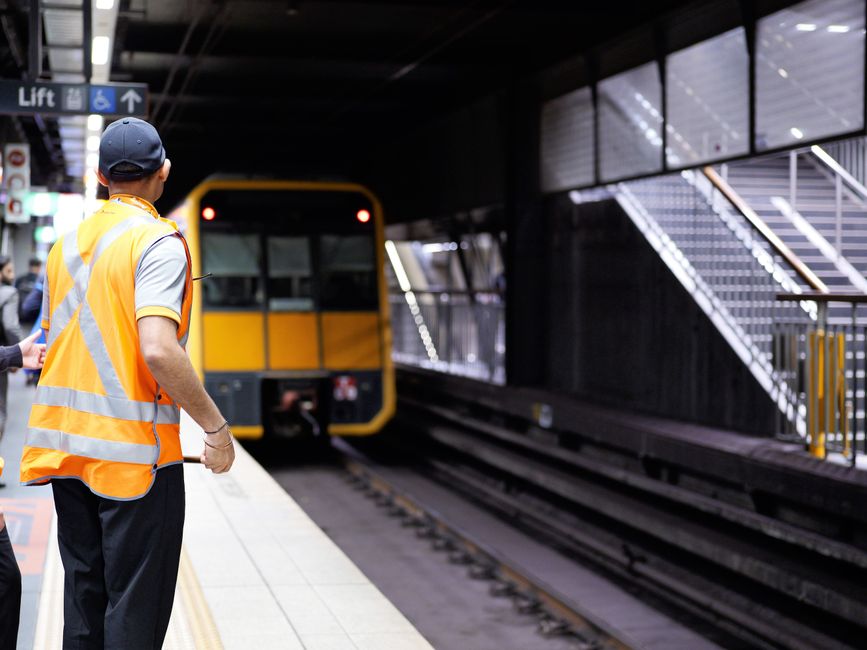
Sydney's Metro West project remains one of the nation's most scrutinised infrastructure undertakings, and the numbers tell a story of unprecedented ambition mixed with real operational challenges. With a total project cost now sitting at $20.1 billion and completion still three years away, the 24-kilometre line represents a bet that Western Sydney residents will abandon 127,000 daily car trips to the CBD by 2050.
The scale is staggering. When operational, Metro West will move up to 40,000 passengers per hour in each direction during peak times—equivalent to running 5,000 buses simultaneously. The project includes seven underground stations: Westmead, Parramatta, Castle Hill, Norwest, Bella Vista, Cherrybrook, and Chatswood, each engineered to handle crowds comparable to major international airports.
Construction data reveals the physical undertaking beneath our feet. The main tunnel boring machines have excavated over 18 million cubic metres of rock and soil since operations began in 2022. The Parramatta station—the project's flagship interchange—spans 280 metres, making it longer than the MCG's playing field. Its construction alone consumed 45,000 tonnes of structural steel and 180,000 cubic metres of concrete.
But capacity projections tell a more cautious story. NSW Treasury modelling suggests that even by 2046, peak-hour ridership on Metro West will reach approximately 32,000 passengers—considerably below the system's 40,000 capacity. This safety margin reflects broader challenges facing Sydney's transport network, where CBD-bound commuting patterns remain concentrated despite 20 years of outer-west employment growth.
The financial investment dwarfs comparable projects. Metro West's $20.1 billion budget exceeds the construction cost of Melbourne's entire Metro Tunnel ($12.2 billion) and represents about 40 per cent of NSW's entire 2026-27 transport infrastructure allocation. Per kilometre, it costs approximately $837 million—making it among the world's most expensive metro construction.
Land acquisition for the project affected 847 properties across Westmead, Parramatta, and the Castle Hill corridor, with total compensation reaching $1.8 billion. The psychological weight of this disruption—particularly in culturally diverse neighbourhoods like Parramatta, where 63 per cent of residents speak a language other than English at home—continues to shape community sentiment around the project.
Whether these investments deliver returns depends on metrics still years from being measured. Transport planners will be watching three critical numbers after 2029: actual peak-hour ridership, modal shift from private vehicles, and emissions reduction across Greater Sydney. For now, the project remains defined by what we can count—concrete, steel, and billions—rather than what we can predict.
This article was compiled by AI and screened before publishing. See our editorial standards.
How does this story make you feel?
Spread the word
About this article
Published by The Daily Sydney
Daily brief
Free, in your inbox before 7am. Weekdays.
More in News