Migrants Shape Sydney's Future Despite Housing Pressures, New Voices Emerge
As housing pressures mount, newly arrived residents across Western Sydney speak candidly about their hopes, challenges and place in the city's future.
As housing pressures mount, newly arrived residents across Western Sydney speak candidly about their hopes, challenges and place in the city's future.
The debate over migration in Sydney has rarely felt more urgent. Yet amid political rhetoric and policy announcements, the voices of those navigating Australia's immigration system—from skilled workers to family reunion applicants—are often drowned out.
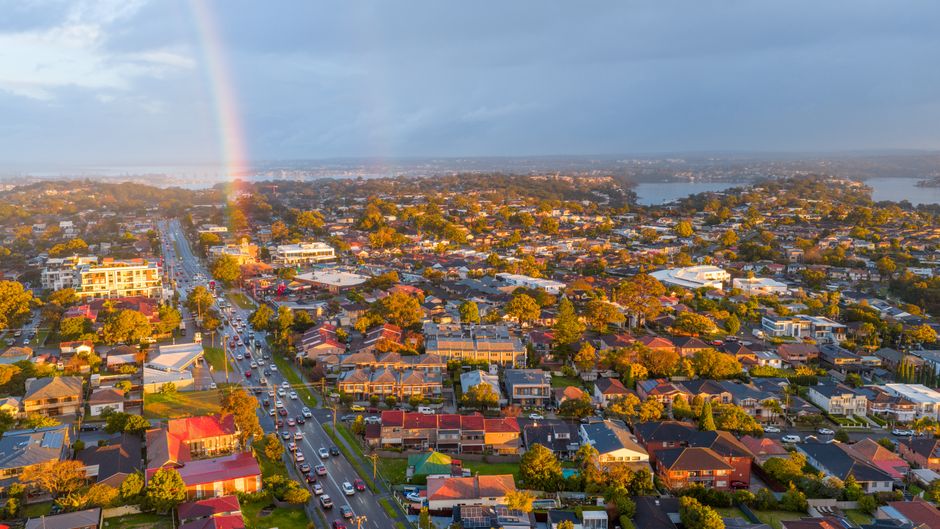
Walking through Parramatta's Church Street precinct on a Thursday afternoon, the diversity is unmistakable. The suburb, home to roughly 220,000 residents, now hosts nearly 40 per cent of residents born overseas, according to recent ABS data. It's a similar story across Western Sydney's growth corridors, where demand for housing among new arrivals has intensified competition in an already strained market.
For many migrants, the tension between opportunity and affordability is personal. Rental prices in Parramatta have climbed sharply, with median weekly rent for a three-bedroom home now reaching $650—a figure that squeezes household budgets already stretched by credential recognition delays and underemployment in professional fields.
At the Migrant Workers Centre in Lidcombe, caseworkers report increasing inquiries about visa pathways and employment rights. The organisation's recent consultation process revealed that while most new arrivals express gratitude for settlement support, frustration simmers around housing accessibility. Many skilled migrants report arriving with qualifications that take months to recognise, forcing them into lower-paid roles while competing for limited affordable accommodation.
Community leaders at Fairfield-based settlement agencies note that the issue cuts across cultural lines. Whether recent arrivals are from South Asia, the Middle East, Africa or the Pacific Islands, housing stress remains the common denominator. One Cabramatta-based community organisation reported that 72 per cent of clients seeking assistance in the past year cited accommodation as their primary concern.
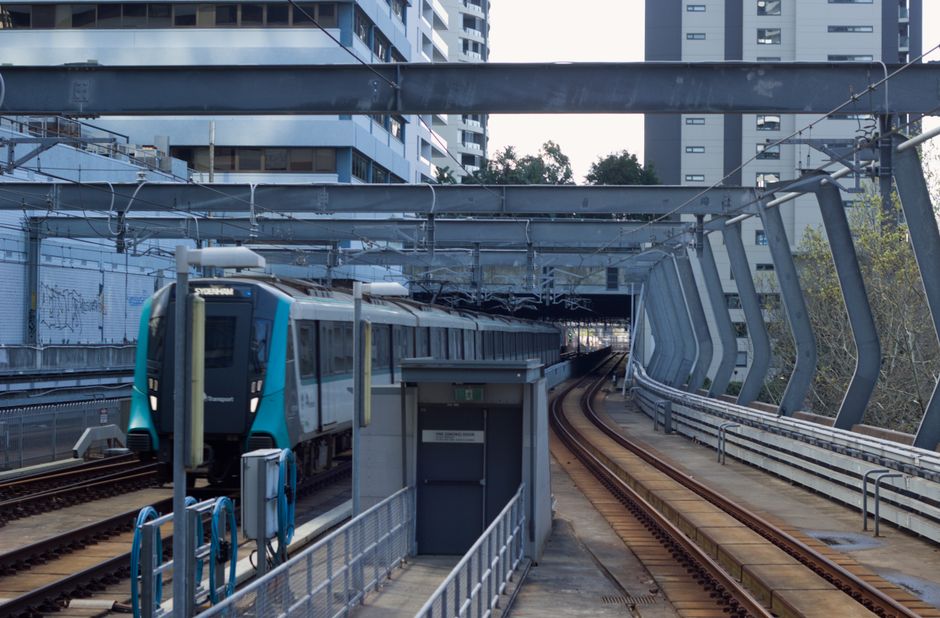
The Metro West project—expected to deliver new transport links to Parramatta by 2032—represents hope for some. Better connectivity could ease pressure on inner-west suburbs and open pathways to jobs for residents in outer areas like Penrith and Windsor. Yet many question whether infrastructure investment will outpace demand.
Migrant advocacy groups are increasingly vocal about the need for policy responses that balance skilled migration intake with genuine settlement support. They argue that the conversation has become one-dimensional, centred on numbers rather than integration outcomes or community capacity.
As Sydney grapples with its identity as a global city, the people reshaping its neighbourhoods daily are pushing back against being treated as a problem to solve. They're asking instead to be heard as stakeholders in finding solutions.
This article was compiled by AI and screened before publishing. See our editorial standards.
How does this story make you feel?
Spread the word
About this article
Published by The Daily Sydney
Daily brief
Free, in your inbox before 7am. Weekdays.
More in News