Sydney's local government landscape is shifting fast, and the changes rippling through planning departments from Parramatta to Penrith will reshape how your neighbourhood grows—whether you're ready or not.
The NSW Labor government's push to streamline development approvals has handed councils new tools to expedite housing projects, a bid to chip away at a shortage that has left median house prices across Sydney hovering near $1.2 million. But with opportunity comes tension. In Western Sydney, where Metro West construction is reshaping transport corridors and population projections suggest another 500,000 residents by 2050, communities are grappling with what rapid densification actually means on the ground.
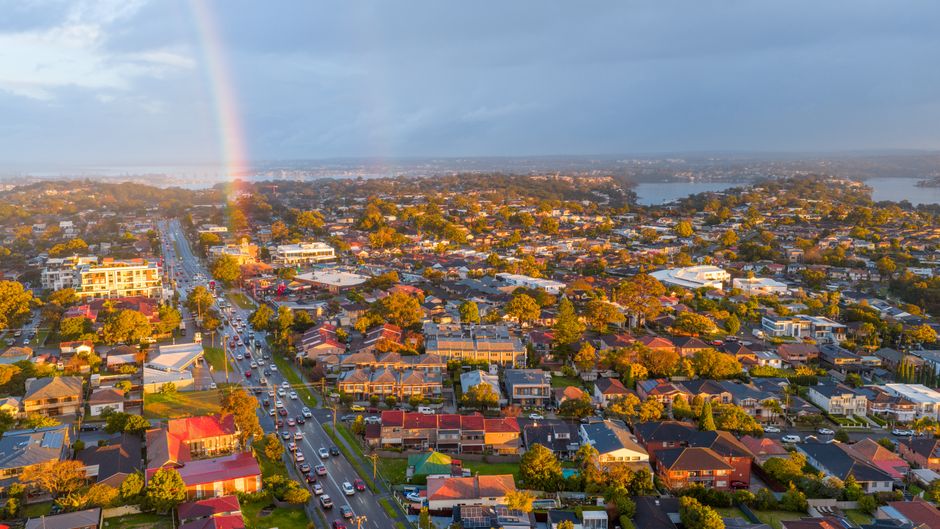
Take Strathfield, where a recent cluster of mid-rise apartment approvals has sparked debate about carparking, school capacity, and the character of tree-lined streets designed for lower-density living. Similar conversations are playing out in Marrickville, where heritage overlays are clashing with calls for more housing near the inner west's employment hubs. The mathematics are brutal: build significantly more homes, or watch affordability worsen. There's no neutral position.
Council budgets tell part of the story. Smaller councils like Waverley and Woollahra face revenue pressure as development levies fail to keep pace with infrastructure demands, while growth councils in Western Sydney are stretching services thin. A new household in Penrith or Emu Plains might arrive to find schools and childcare centres already operating near capacity, even as the local pool or library waits for upgrades.
What does this mean for your hip pocket? Residents in established suburbs face potential rate increases as councils fund infrastructure to support new neighbours. Those priced out of inner Sydney find options expanding westward—but with longer commutes and often less established services. First-home buyers might finally access markets opening up in Liverpool or Leppington, though they're betting on long-term value in areas still defining their character.
The real test lies ahead. Port Botany's role as a trade hub means logistics and employment patterns are shifting. Metro West, opening in 2032, will unlock precincts around Parramatta and Westmead. Communities betting on these changes see opportunity; those worried about losing neighbourhood identity see risk.
Sydney's planning pendulum has swung toward growth. The question councils and residents must now answer together: growth for whom, and at what cost to the places we already call home?
This article was compiled by AI and screened before publishing. See our editorial standards.