Sydney's Rapid Growth Strains Community Cohesion, Leaders Warn
Local officials and experts warn that rapid development across Western Sydney and inner-city renewal is straining the social fabric that binds neighbourhoods together.
Local officials and experts warn that rapid development across Western Sydney and inner-city renewal is straining the social fabric that binds neighbourhoods together.
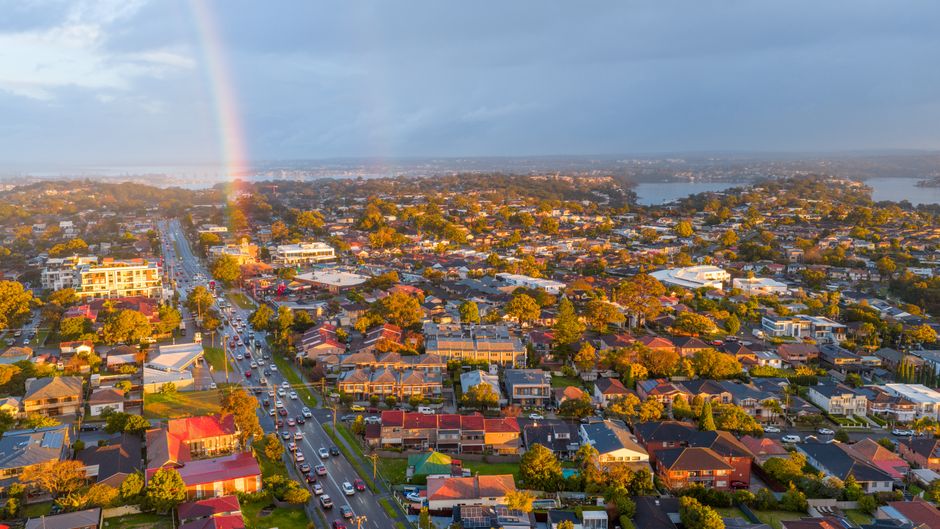
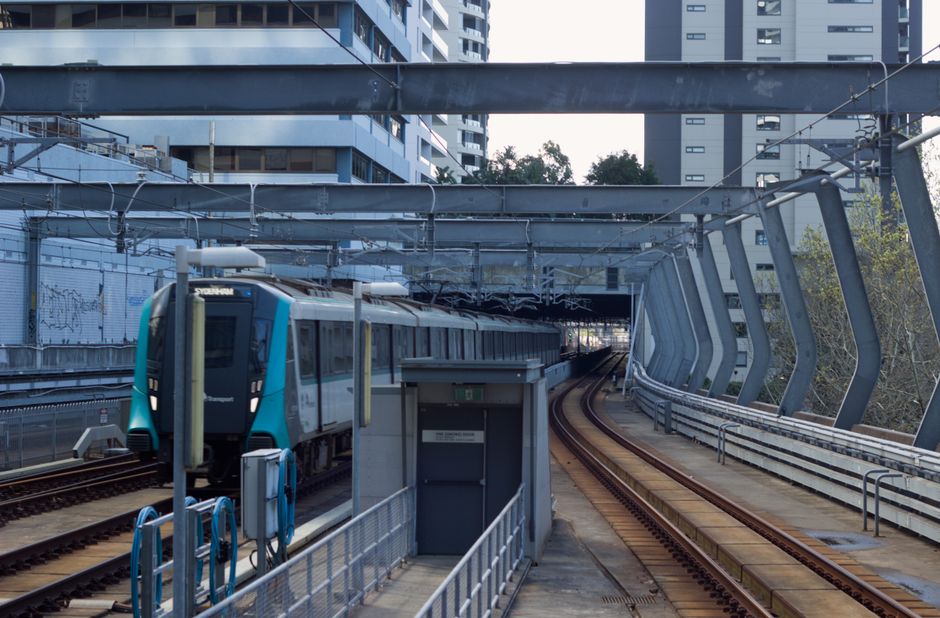
As Metro West construction reshapes the urban landscape and housing developments accelerate across Parramatta, Penrith and inner Sydney, community leaders are raising concerns that the city's growth is happening too fast for residents to build meaningful connections.
Dr Sarah Chen, director of the Centre for Urban Planning at the University of Sydney, says the challenge is particularly acute in growth corridors like Castle Hill and Zetland, where new apartment blocks are rising faster than community infrastructure can keep pace. "We're seeing populations double in some suburbs within five years," Chen told The Daily Sydney. "People are moving in, but there's nowhere for them to naturally gather and build community identity."
The issue resonates with John Matthews, CEO of Inner West Community Services, which operates across Marrickville, Dulwich Hill and Newtown. Matthews emphasises that while cultural diversity remains Sydney's strength, newcomers often struggle to find entry points into established neighbourhood networks. "We're seeing increased demand for community programs, but funding hasn't scaled proportionally," he explains. "Parks, libraries and local centres need investment to function as real gathering spaces."
Housing affordability compounds the problem. With median unit prices in suburbs like Strathfield now exceeding $1.2 million, younger families are pushed further west, fragmenting multi-generational neighbourhood bonds. Councillor Patricia Huang from Parramatta Council acknowledges this reality. "People are commuting further to afford homes," Huang notes. "This changes how neighbourhoods function when residents aren't as invested in their immediate surroundings."
The NSW Labor government has emphasised Metro West as a community connector, with stations planned for Westmead, Parramatta and Chatswood. Yet transport infrastructure alone doesn't rebuild social cohesion, according to Professor Michael Torres from Macquarie University's sociology department. "Transit hubs are essential, but they need complementary spaces—cultural venues, markets, local meeting points," Torres explains. "Without intentional design, they just become throughfares."
Community organisations are adapting. Western Sydney University's Place-based Engagement initiative has launched neighbourhood programs across Penrith and Emu Plains, while Marrickville Library hosts weekly multicultural conversation circles. These grassroots efforts offer models, though organisers stress they require sustained resources.
The message from those working on the ground is clear: growth without community infrastructure is just sprawl. As Sydney continues its rapid transformation, local leaders are insisting that planning documents must prioritise the spaces where neighbours become community.
This article was compiled by AI and screened before publishing. See our editorial standards.
How does this story make you feel?
Spread the word
About this article
Published by The Daily Sydney
Daily brief
Free, in your inbox before 7am. Weekdays.
More in News