Sydney's Sustainability Plan: New Data Reveals Progress and Remaining Gaps
Behind the green commitments, new data reveals the scale of Sydney's environmental transformation—and how far the city still has to go.
Behind the green commitments, new data reveals the scale of Sydney's environmental transformation—and how far the city still has to go.
Sydney's sustainability narrative has shifted from aspirational rhetoric to measurable outcomes, and the latest figures paint a complex picture of progress and persistent gaps.
The NSW Government's 2026 sustainability audit, released quietly last month, shows renewable energy generation across Greater Sydney has climbed to 31 per cent of total consumption—up from 18 per cent in 2020. Yet coal still accounts for 42 per cent of the state's energy mix. The Metropolitan Water Corporation reports that residential water consumption in inner-city postcodes like 2000 and 2038 (CBD and inner west) has dropped 12 per cent since 2023, driven largely by mandatory restrictions and smart meter adoption reaching 67 per cent across greater Sydney.
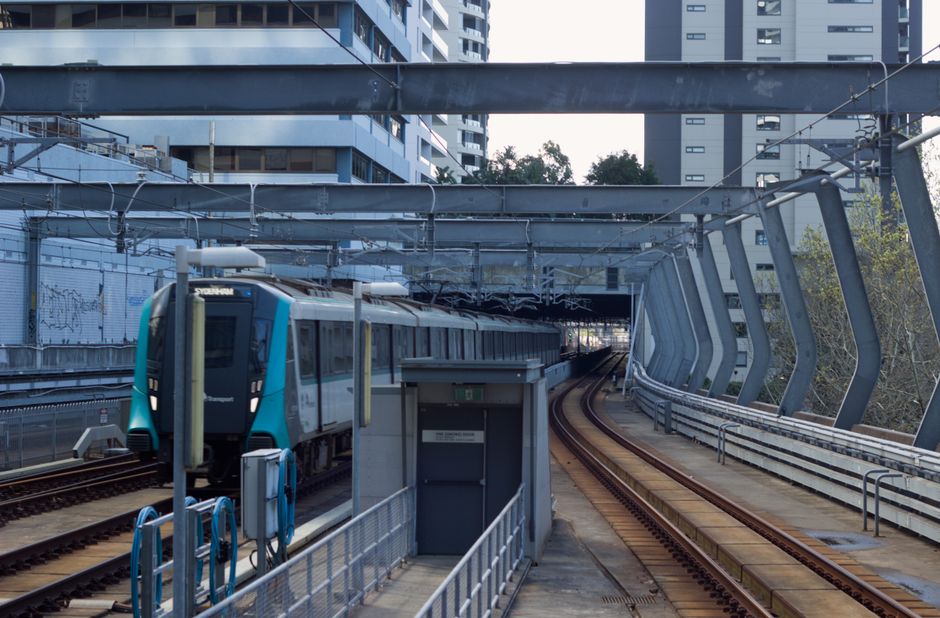
Western Sydney, the city's fastest-growing region, tells a different story. Population growth in suburbs like Penrith and Campbelltown has outpaced infrastructure by approximately 2.3 years, according to transport modelling by the Greater Sydney Commission. While Metro West construction continues toward Westmead, current vehicle emissions in western Sydney corridors remain 8 per cent higher than the city average.
Circular economy initiatives show promise in pockets. Marrickville's Material Recovery Facility now processes 14,000 tonnes of mixed waste annually—up 34 per cent since opening in 2023—diverting material that would otherwise reach Randwick's landfill operations. However, household waste across Sydney still reaches 1.2 million tonnes yearly, with organic waste comprising 38 per cent of landfill contents.
The property sector, crucial to any sustainability conversation, reveals telling data. Green-certified buildings now represent 23 per cent of Sydney's commercial office stock (compared to 11 per cent nationally), with median office rents in sustainably rated properties in the CBD running $680 per square metre annually—$140 above conventional buildings. This premium reflects both demand and genuine operational savings.
Urban greening projects show measurable impact. Sydney's tree canopy coverage increased from 16.2 per cent in 2020 to 18.7 per cent across the LGA, with targeted plantings in Redfern, Waterloo and Zetland adding 8,400 trees. Temperature modelling suggests these areas now experience 1.2 degrees Celsius cooler peaks during summer months.
Port Botany's decarbonisation roadmap, critical given its role handling 40 per cent of NSW container traffic, includes 67 per cent of ship-to-shore cranes now operating on renewable energy—a $380 million investment still underway.
The narrative emerging from these numbers is neither optimistic nor pessimistic, but realistic: Sydney is moving, unevenly and incompletely, toward sustainability goals. The question now is whether pace will match necessity.
This article was compiled by AI and screened before publishing. See our editorial standards.
How does this story make you feel?
Spread the word
About this article
Published by The Daily Sydney
Daily brief
Free, in your inbox before 7am. Weekdays.
More in News