Sydney Schools Hit Breaking Point: Underfunding and Overcrowding Revealed
Decades of underfunding, population surges and deferred maintenance have left classrooms in Western Sydney overcrowded and ageing—here's how we got here.
Decades of underfunding, population surges and deferred maintenance have left classrooms in Western Sydney overcrowded and ageing—here's how we got here.
Sydney's education system didn't collapse overnight. The crisis unfolding across classrooms from Penrith to Parramatta, and from Bankstown to Blacktown, is the culmination of structural failures that took years to build.
The roots trace back to the 2010s, when population projections for Western Sydney proved wildly optimistic. The NSW government anticipated steady growth, but what arrived was a demographic tsunami. Suburbs like Oran Park, Leppington and Box Hill transformed from fringe towns into sprawling residential developments almost faster than infrastructure could follow. Schools that had served 600 students suddenly faced 900. Temporary demountable classrooms, installed as stopgaps, became permanent fixtures.
Between 2015 and 2024, Western Sydney's population grew by over 400,000 residents, yet school infrastructure budgets remained relatively static. University applications from Sydney increased by 23 per cent during the same period, while university places grew by just 4 per cent. The mathematics were brutal.
At Parramatta High School and others across the region, playground space shrank as portable buildings multiplied. At Penrith High School, year groups were split across multiple campuses. Teacher shortages compounded the problem—attracting educators to Western Sydney schools proved difficult when inner-city alternatives offered better facilities and proximity to universities clustered around Camperdown and Darlinghurst.
The COVID-19 pandemic accelerated the crisis. Capital works were deferred. Maintenance backlogs accumulated. By 2023, the NSW government inherited an estimated $8.9 billion maintenance deficit across the state's public schools. Sydney's schools absorbed their share: crumbling plumbing at Strathfield High, aged electrical systems at Parramatta Girls, roof leaks at Westfield's public schools.
Meanwhile, university sector pressures mounted differently. Sydney University, UNSW and Macquarie all reported record domestic enrolments and severely strained facilities. Campus accommodation near Redfern became unaffordable; student mental health services faced growing demand with static funding.
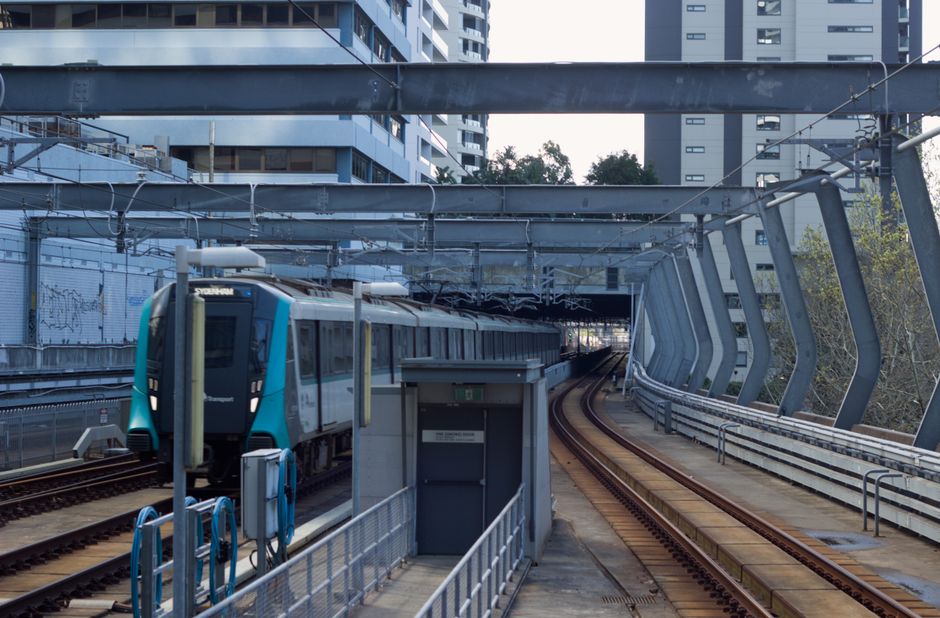
The Metro West construction project, opening 2032, promised relief—improving transport to Western Sydney campuses and spreading demand more evenly. But that's six years away. Today's Year 7 students will be in Year 13 by then.
What brought Sydney's education system to this point wasn't a single policy failure, but rather the compounding effect of growth outpacing investment, demographic shifts catching planners off-guard, and maintenance culture that prioritised short-term budgeting over long-term asset management. The system didn't break. It was gradually overwhelmed.
This article was compiled by AI and screened before publishing. See our editorial standards.
How does this story make you feel?
Spread the word
About this article
Published by The Daily Sydney
Daily brief
Free, in your inbox before 7am. Weekdays.
More in News