Sydney Housing Crisis: How It's Reshaping Local Politics
Explore how Sydney's housing shortage and $1.2M median prices are driving planning debates across councils from Parramatta to Randwick.
Explore how Sydney's housing shortage and $1.2M median prices are driving planning debates across councils from Parramatta to Randwick.
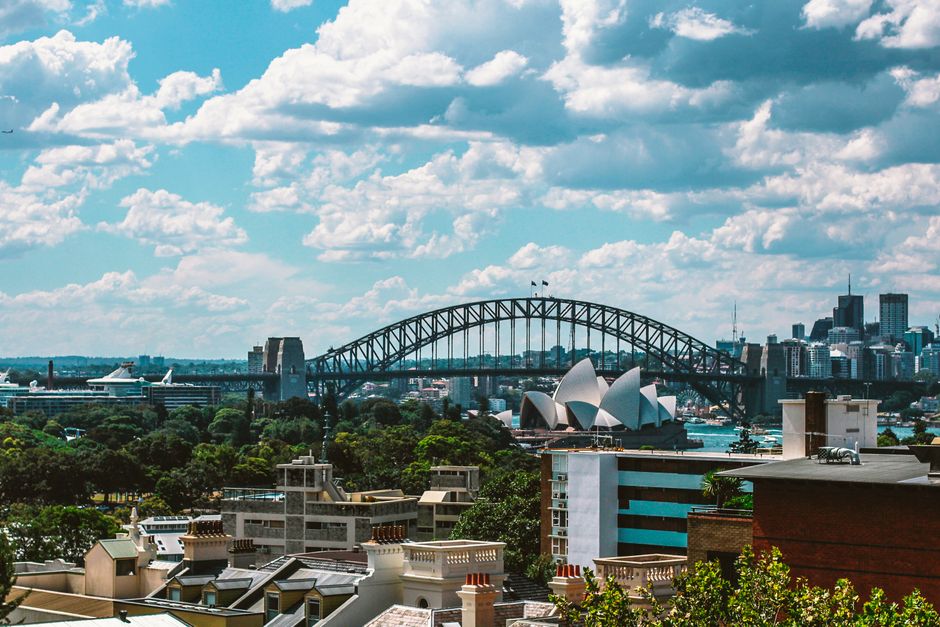
Sydney's local government landscape has been fundamentally reshaped by one relentless pressure: the city's chronic housing shortage and the political fallout it creates every election cycle.
For nearly a decade, the arithmetic has been brutal. Median house prices across greater Sydney have climbed from around $580,000 in 2016 to over $1.2 million today, while median rents in inner suburbs now exceed $2,500 monthly. This squeeze has rippled through every council chamber from Parramatta to Randwick, making planning decisions previously seen as technical matters into proxy battles over who bears the cost of growth.
The tension crystallised most visibly across Western Sydney, where councils like Penrith, Blacktown and Liverpool have grappled with state government pressure to approve higher-density housing while managing fierce community resistance. The push intensified following the NSW government's 2021 planning reforms, which stripped councils of discretionary powers over certain residential developments. What councils once controlled, they increasingly merely administered.
Meanwhile, inner-city councils—particularly around Surry Hills, Glebe and Marrickville—faced the opposite pressure: accusations of blocking affordable housing while protecting leafy, low-density neighbourhoods. The inner west became shorthand for NIMBY politics, though local councillors argued they were defending character and infrastructure capacity.
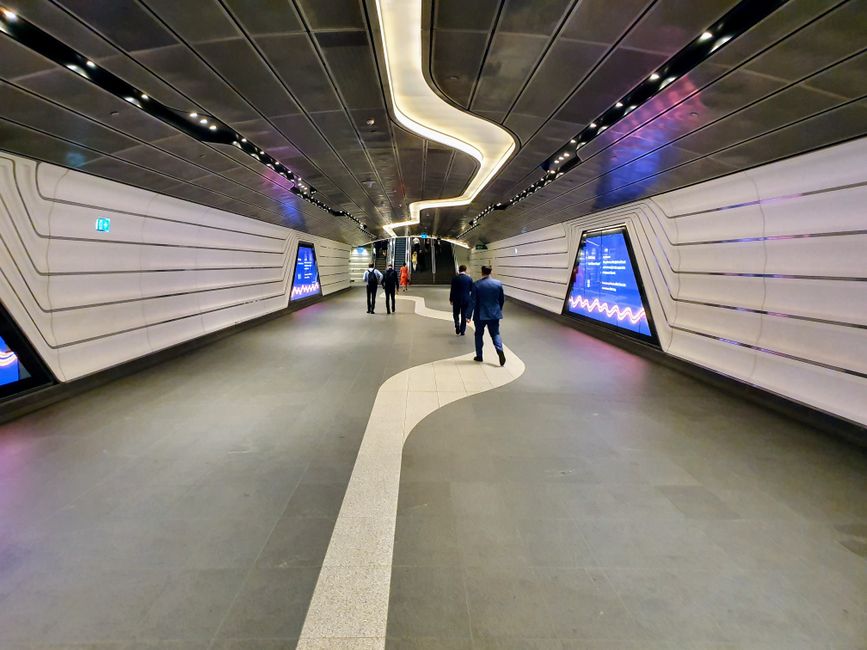
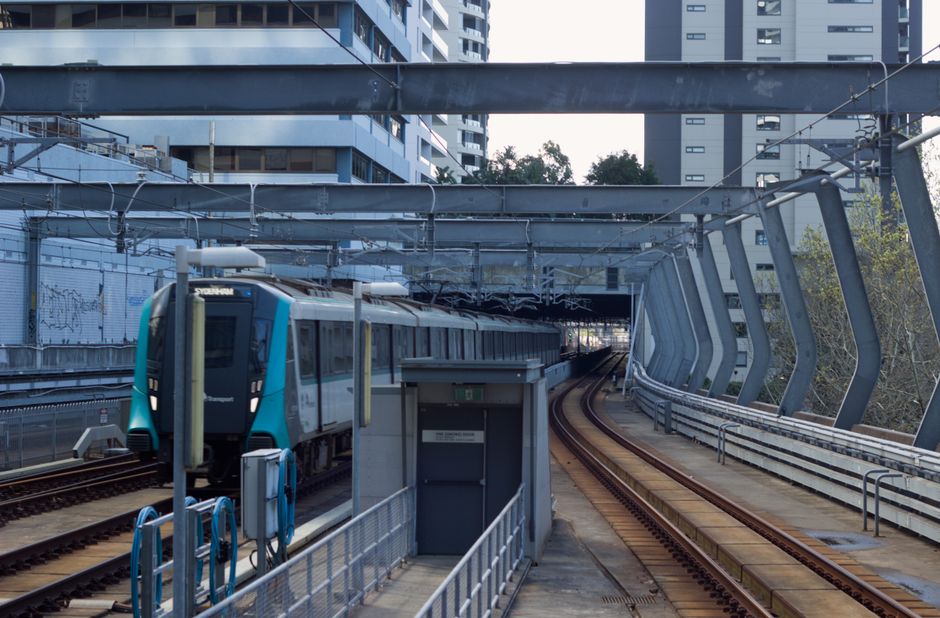
The Metro West construction, snaking through inner-west suburbs and reaching Westmead by 2032, has added another layer. Station precincts like those around Central and Parramatta have become flashpoints over what development should look like around new transport corridors—and who captures the economic benefit.
At City of Sydney level, the council navigated its own crucible, balancing advocacy for affordable housing targets, commercial district revival on Oxford Street, and Port Botany's industrial future against resident concerns about overdevelopment and gentrification. These tensions played out across council elections and budget debates.
By mid-2026, the political landscape reflects this history: councils that once debated library hours and street trees now function as second-order battlegrounds over housing ideology. State government policies trickle down, grassroots activism wells up, and councillors find themselves adjudicating whose vision of Sydney prevails.
This is the context shaping every local election debate about development, density and who gets to build what where—a far cry from the era when local government seemed primarily administrative.
This article was compiled by AI and screened before publishing. See our editorial standards.
How does this story make you feel?
Spread the word
About this article
Published by The Daily Sydney
Daily brief
Free, in your inbox before 7am. Weekdays.
More in News