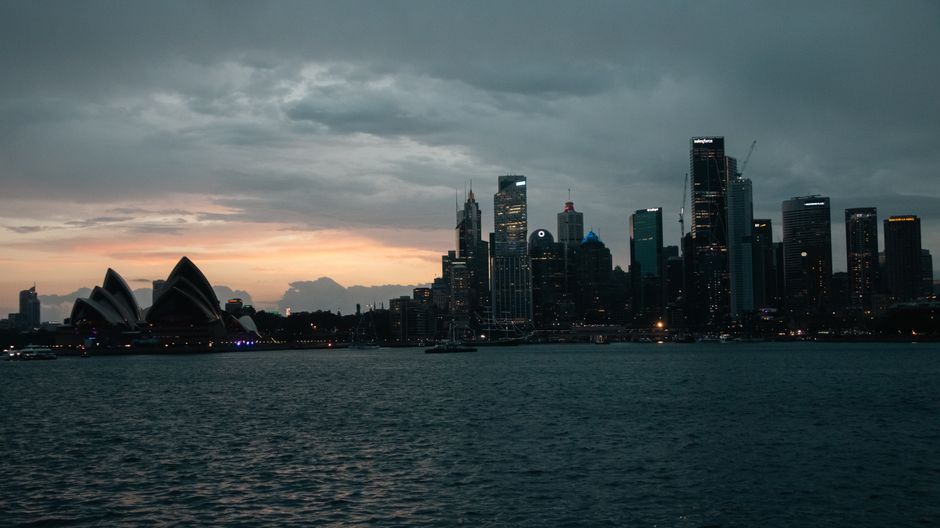
Sydney stands at a policy crossroads. The housing crisis that has dominated NSW politics for eighteen months is about to hit a series of inflection points—decisions that will either unlock supply or cement a two-tiered city for decades.
The most immediate flash point centres on planning amendments for Western Sydney's growth corridors. Penrith, Campbelltown and the emerging precincts along the proposed Metro West extension represent the state's best hope for medium-density housing beyond the detached-home model. Yet local councils have repeatedly resisted state-imposed density targets, citing infrastructure gaps and community pushback. The next six months will test whether the NSW Government's planning powers can actually override suburban councils on zoning—or whether political reality forces compromise.
Inner Sydney presents a different challenge. The inner west—Marrickville, Dulwich Hill, Newtown—contains thousands of underutilised sites: old warehouses, single-storey retail strips along King Street and Marrickville Road, car parks. Converting these to mixed-use precincts would ease pressure on greenfield sprawl. But it requires coordination between state planners, councils and heritage authorities. The decision on how aggressively to fast-track these conversions remains unmade.
Affordability mechanisms also hang in limbo. First-home buyer schemes have proven expensive and inefficient; the question now is whether the government will pivot toward mandatory inclusionary zoning—requiring developers to include affordable units in new projects. This approach works internationally but faces fierce industry resistance. Early signals suggest a pilot scheme around Parramatta or Strathfield may test the model, but nothing is confirmed.
Infrastructure sequencing represents perhaps the biggest unresolved question. Metro West construction is on track for 2030-2031 completion. Density targets in Western Sydney assume that timeline, but residential approvals are happening now. If population growth outpaces infrastructure delivery, the government risks overcrowded schools, transport bottlenecks and political backlash—the exact scenario it's trying to avoid.
Port Botany's expansion and freight logistics also matter. Better rail connectivity for goods movement could free up local roads and improve liveability in inner suburbs, yet planning coordination between Transport NSW, Port Authority and councils remains fragmented.
The NSW Labor government will face three critical decisions within twelve months: whether to enforce density targets against local resistance; how aggressively to greenlight inner-city conversions; and how to link housing approvals to infrastructure timelines. Each choice carries electoral risk. Get sequencing wrong and the party that campaigned on fixing housing becomes the one blamed for sprawl, congestion, or unaffordable developments.
Sydney's next housing blueprint won't come from a single policy announcement. It will emerge from dozens of planning decisions, council negotiations and infrastructure choices. That process begins now.
This article was compiled by AI and screened before publishing. See our editorial standards.