Deadly Bird Flu Strain Arrives in Sydney: What Pet Owners Must Do
Health authorities announced the arrival of a highly pathogenic avian influenza variant on Thursday, prompting urgent warnings for Sydney's millions of cat and dog owners.
Health authorities announced the arrival of a highly pathogenic avian influenza variant on Thursday, prompting urgent warnings for Sydney's millions of cat and dog owners.
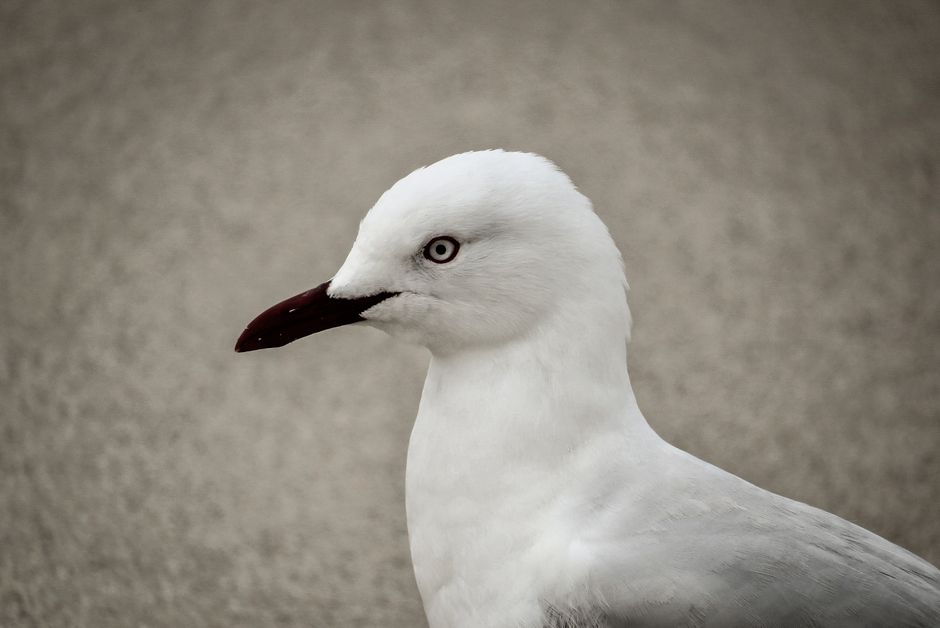
A dangerous strain of bird flu detected at a poultry facility near Newcastle on Thursday has sparked urgent health alerts across New South Wales, with authorities scrambling to contain the outbreak before it spreads to Sydney's densely populated inner suburbs and sprawling western growth corridors.
The H5N1 variant, confirmed by the Australian Department of Agriculture on July 3rd, marks the first documented case of this highly pathogenic strain on mainland Australian soil. The discovery emerged from routine testing at a commercial farm in the Hunter region, approximately 160 kilometres north of the Sydney CBD.
For Sydney pet owners—a demographic estimated at over 60 per cent of households across postcode 2000 to 2500—the question looms large: are Fluffy and Fido at risk?
According to NSW Health's emergency advisory issued Friday morning, the transmission risk to domestic cats and dogs remains "low under normal circumstances." The virus spreads primarily through direct contact with infected birds or their droppings. Pet owners are advised to prevent their animals from hunting or scavenging wildlife, particularly in parks along the Parramatta River, Lane Cove, and the Hawkesbury corridor where wild waterfowl congregate.
"We're not seeing evidence of efficient mammal-to-mammal spread," a Health Department spokesperson clarified in Friday's briefing, though household pets showing respiratory symptoms should be isolated and veterinary advice sought immediately.
The discovery has triggered biosecurity lockdowns affecting a 3-kilometre radius around the Newcastle facility. Authorities have quarantined approximately 12,000 birds and implemented vehicle decontamination protocols. Emergency response teams from Taronga Zoo, located on Sydney Harbour's north shore, have been placed on standby should the virus be detected in captive or wild bird populations within greater Sydney.
Transport NSW has confirmed no changes to Metro West construction schedules, though workers at Western Sydney sites have received additional safety briefings. The outbreak arrives amid existing pressures on the NSW health system and housing infrastructure, as the state continues processing elevated migration intake.
Veterinary clinics across Parramatta, Penrith, and the inner west have reported increased inquiry volumes since the announcement. The Australian Veterinary Association recommends pet owners maintain current vaccinations, keep records of wildlife contact, and monitor for unusual bird deaths in their neighbourhoods.
Authorities expect a full biosecurity assessment by Monday. Residents spotting dead birds are urged to contact NSW DPI's wildlife hotline rather than handling carcasses directly.
This article was compiled by AI and screened before publishing. See our editorial standards.
How does this story make you feel?
Spread the word
About this article
Published by The Daily Sydney
Daily brief
Free, in your inbox before 7am. Weekdays.
More in News