Sydney’s Rent-Vesting Strategy: Affordability Analysis for Local Buyers and Renters
With property prices soaring, younger Sydneysiders are turning to rent-vesting to build wealth—here’s how the numbers stack up in 2026.
With property prices soaring, younger Sydneysiders are turning to rent-vesting to build wealth—here’s how the numbers stack up in 2026.
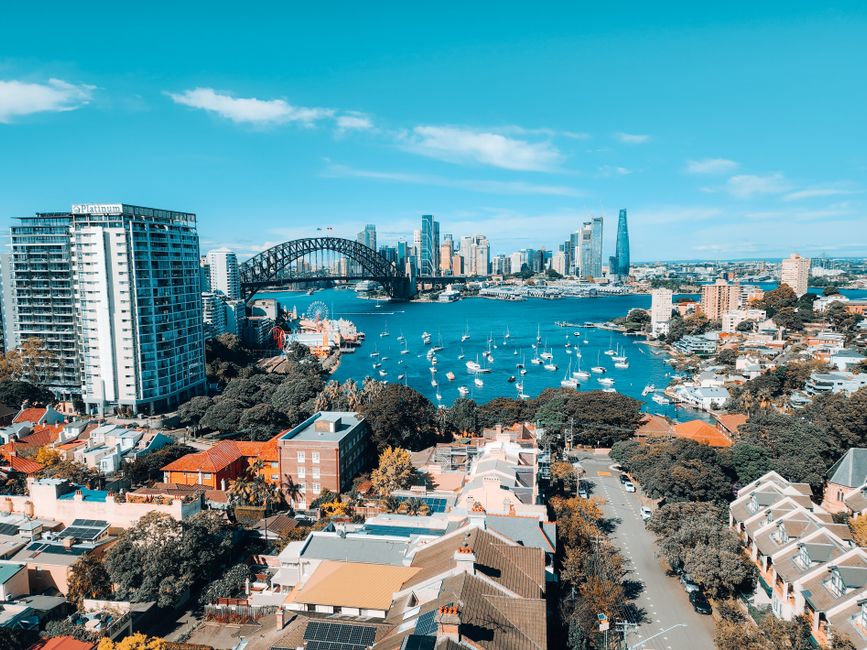
The rent-vesting trend is gathering pace in Sydney, as first-home buyers are priced out of their preferred suburbs by the city’s stubbornly high property market. More are opting to buy investment properties in outer areas while continuing to rent near the city or the coast—where they actually want to live.
This shift matters now more than ever. The NSW median house price is tipping $1.4 million, and 2026 has brought no relief for aspiring buyers looking at traditional home ownership in lifestyle hotspots like Balmain, Bondi Beach or Manly. With tight inner-ring supply and migration-fuelled demand holding values up in the Inner West and Northern Beaches, many young professionals simply can’t afford to buy where they want to live without committing to enormous mortgages. Meanwhile, weekly rents in prime areas are hitting records, forcing tough choices.
Rent-vesting involves buying in more affordable suburbs—say, a two-bedroom unit in Parramatta or Westmead—while renting in high-demand enclaves closer to the city, work or the beach. It’s an approach favoured by residents who value lifestyle and flexibility, according to brokers at Sydney’s Mortgage Choice Circular Quay and buyers agents from Propertybuyer in St Leonards. Lachlan Street in Waterloo, for example, now sees young families renting new builds while their first investments might be in growth corridors like Schofields or Blacktown.
The economic logic is clear. As of June 2026, the median rent for a two-bedroom apartment in Surry Hills sits at $870 a week, while buying the same unit would require upwards of $1.3 million, plus stamp duty. By contrast, a modern unit in Penrith can be picked up for around $520,000, with rental returns of 4.3%. Domain’s latest quarterly report shows a 71% clearance rate for city auction listings, but supply in prestige pockets remains extremely tight. The choice for many is between paying $100,000+ upfront just for the right to bid, or becoming a rent-vestor and spreading financial risk.
For would-be buyers intent on living in the inner-ring, mortgage repayments look daunting. At current variable rates of 6.1%, servicing an 80% loan on a median-priced Inner West house ($1.67 million, per CoreLogic, June 2026) means monthly payments of approximately $6,700—and that’s before strata, insurance or surprise repairs. Renting a similar home in Petersham or Annandale, however, costs closer to $1,250 per week, or roughly $5,400 a month. That gap allows rent-vestors to direct surplus cash towards buying an investment-grade townhouse in suburbs like Greenacre, where capital growth has outpaced many inner city units over the past five years.
With inner-city vacancy rates below 2%, and rental demand “stratospheric” since the return of international students and skilled migrants, landlords in areas like Randwick or Newtown are raising rents steeply. However, rent-vestors can insulate themselves by choosing secondary or satellite markets as landlords, benefiting from yield and capital gains elsewhere.
Sydney-based financial coaches, including Your Money Gateway in North Sydney, are now packaging rent-vesting advice for professionals under 40. The City of Sydney’s own research in March showed that nearly one in five first purchases by local residents is now outside their own postcode.
For those considering the rent-vesting path, experts urge detailed budgeting. Watch for stamp duty concessions, like the NSW First Home Buyer Choice which lets eligible buyers opt for an annual property tax instead of upfront duty. Prospective investors should factor in potential capital gains tax, management costs, and market cycles—the Western Sydney market, for instance, saw values jump 8% over the last 12 months, according to Ray White Parramatta.
In a city scaling new price peaks and grappling with chronic supply shortages in the most liveable districts, the rent-vesting strategy isn’t just a trend—it’s becoming a permanent feature of how locals crack the property market. For those priced out of Darlington or Double Bay, creative compromise may be the only way onto the property ladder in 2026.
How does this story make you feel?
Spread the word
About this article
Published by The Daily Sydney
Daily brief
Free, in your inbox before 7am. Weekdays.
More in Property