First Home Buyer Sydney: House vs Unit Price Gap
Sydney's median house costs $1.65M vs $870K for units. First-home buyers navigate the gap with location and dwelling-type trade-offs as rates fall.
Sydney's median house costs $1.65M vs $870K for units. First-home buyers navigate the gap with location and dwelling-type trade-offs as rates fall.
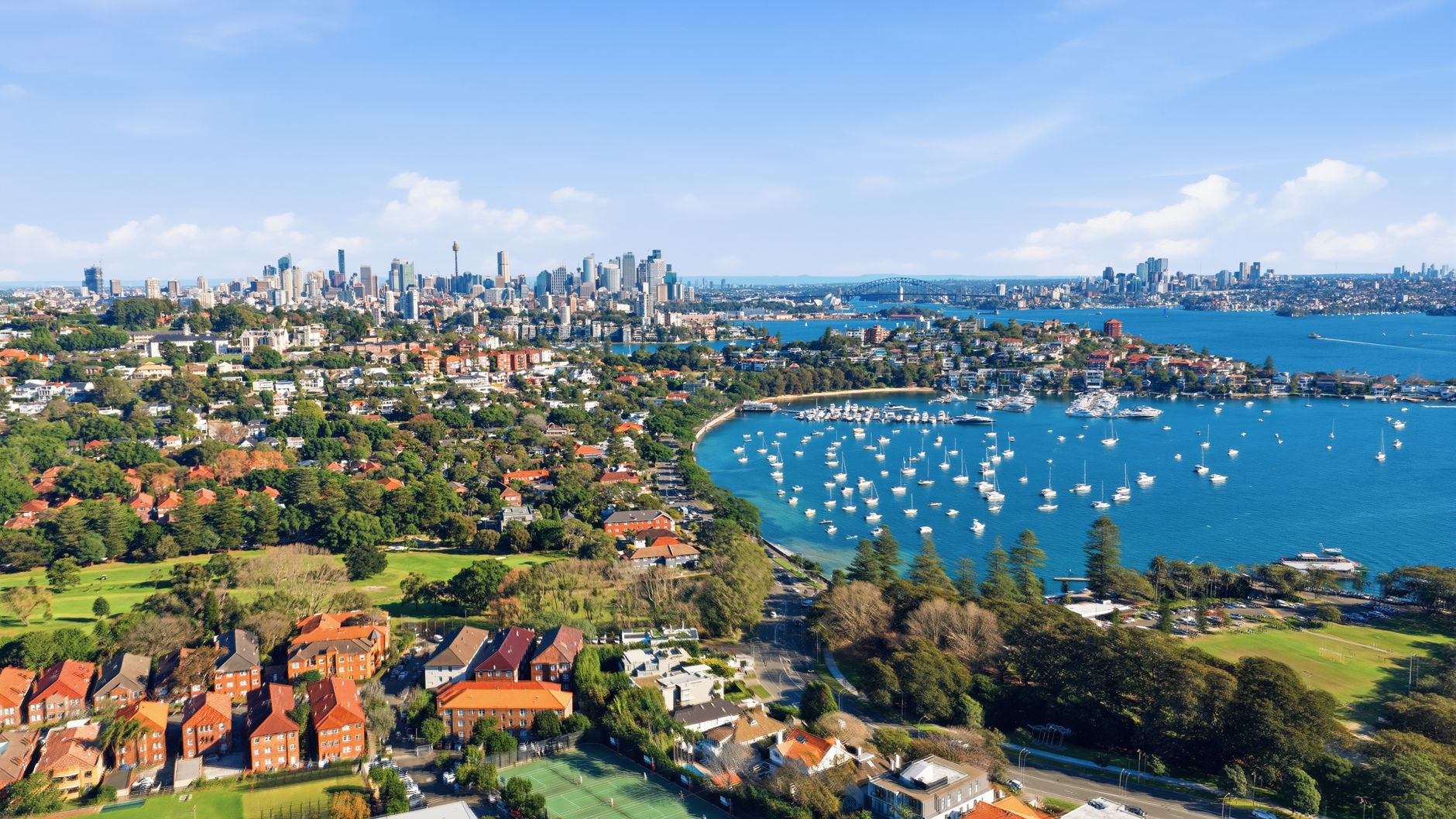
The numbers are brutal. Sydney's median house price has pushed past $1.65 million, while the median unit sits closer to $870,000 — a gap that has widened by roughly $120,000 in the past 18 months alone. For anyone trying to buy their first home in this city without a parental guarantee or a inheritance windfall, that spread is not an abstraction. It is the difference between a back yard and a balcony, between Marrickville and Mascot, between a free-standing home and a strata levy notice arriving every quarter.
The timing matters. The Reserve Bank of Australia cut the cash rate twice in the first half of 2026, bringing it to 3.6 per cent, and that borrowing relief briefly rekindled hope among first-home buyers who had been sitting on the sidelines since 2023. Auction clearance rates across greater Sydney are tracking between 68 and 72 per cent through June and early July, which means competitive conditions are back. Stock levels in the inner ring remain critically tight. Buyers who re-entered the market expecting a soft landing found instead a market that had spent the quiet period consolidating, not correcting.
Walk the open homes on any given Saturday along Enmore Road or around Dulwich Hill station and the tension is visible. A renovated three-bedroom terrace in Newtown recently changed hands for $2.1 million. Six kilometres south, a two-bedroom apartment in Wolli Creek sold in the same week for $740,000. Both attracted multiple bidders. The difference is what each buyer gets for their money and the compromises each has already made to get there.
The NSW government's First Home Buyer Assistance Scheme currently exempts purchases up to $800,000 from stamp duty entirely, with a concessional rate applying up to $1 million. That threshold makes units the logical entry point for most first-timers — but it also concentrates demand at exactly the price point where supply is thinnest and strata defect disputes are most common. Buyers need to budget for strata report reviews; a professional inspection through a firm registered with NSW Fair Trading typically costs $300 to $500 and can reveal levy arrears, pending special levies, or unresolved building defects that dramatically alter the calculus of a purchase.
The state government's Shared Equity Home Buyer Helper program, which allows eligible applicants to buy with as little as a two per cent deposit while the government co-owns up to 40 per cent of the property, has seen take-up concentrated in middle-ring suburbs — Penrith, Campbelltown, and Liverpool — where the price caps are achievable. In inner Sydney, the program's $950,000 cap for units rules out most of the Inner West and the Lower North Shore entirely.
Financial advisers working with first-home buyers in Sydney consistently point to three decisions that determine outcomes: the suburb shortlist, the dwelling type, and the deposit timeline. On the suburb question, the data suggests buyers who extended their search radius to the 15-to-25-kilometre band from the CBD — suburbs like Rydalmere, Arncliffe, or Earlwood — found more genuine competition-free opportunities in the first half of 2026 than those who fixated on inner-ring postcodes.
On dwelling type, the house-unit gap is real but not uniform. Townhouses and semi-detached homes in suburbs like Ashfield and Hurlstone Park have been trading at prices closer to $1.2 million — above the stamp duty threshold but below the full detached-house premium — and they offer land content that pure apartments cannot. That land component matters for long-term wealth building in a city where land scarcity is structural, not cyclical.
The deposit timeline question is the most personal and the most urgent. With rents across greater Sydney still running at record medians — $680 per week for a house, $600 for a unit according to Domain's June 2026 data — every extra year of saving comes at a real cost. Buyers waiting for a market correction that does not arrive are not neutral observers. They are paying their landlord's mortgage instead of their own. The chasm between houses and units is real. The task is deciding which side of it you can afford to land on — and acting before that calculation changes again.
How does this story make you feel?
Spread the word
About this article
Published by The Daily Sydney
Daily brief
Free, in your inbox before 7am. Weekdays.
More in Property


