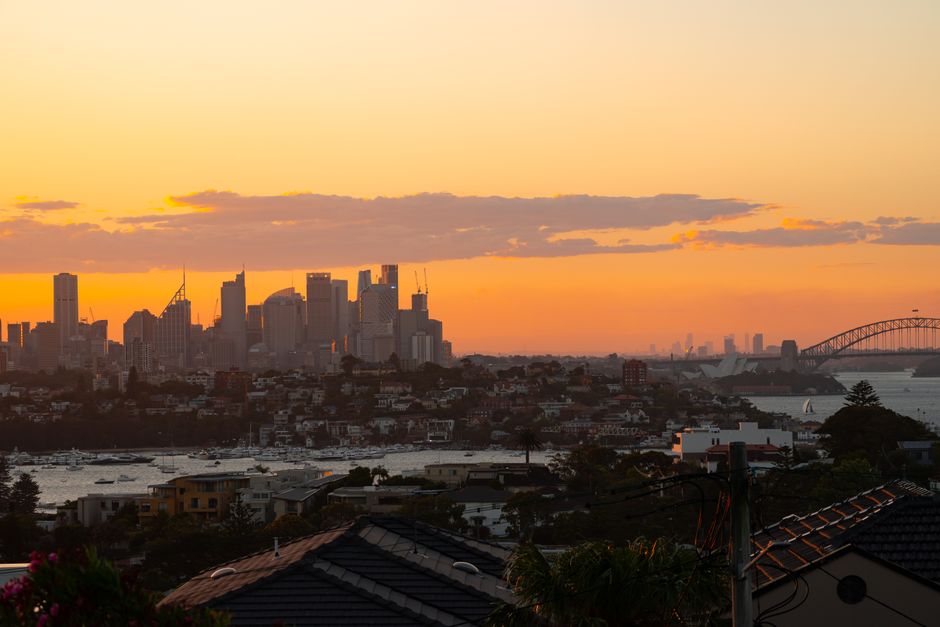
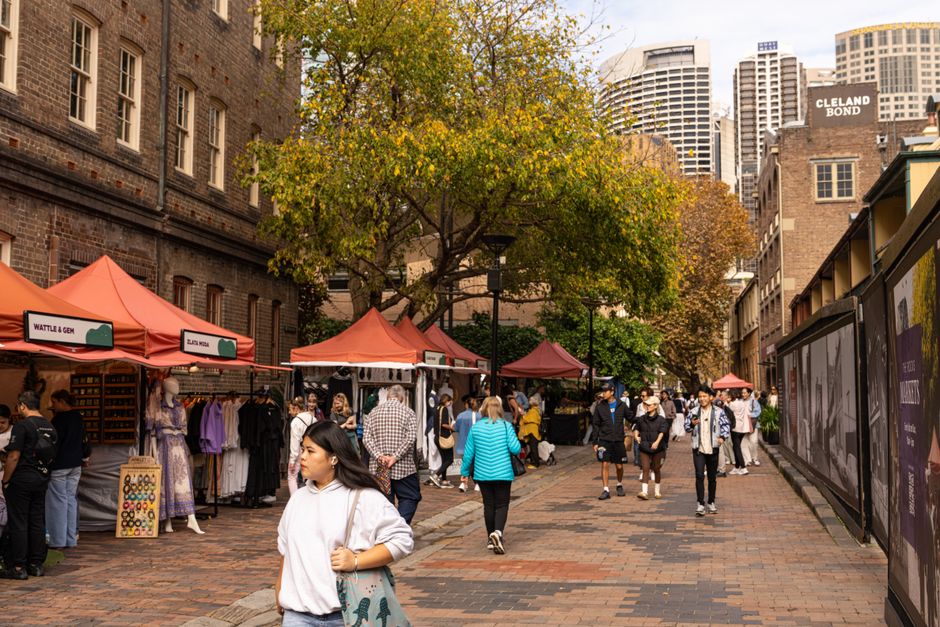
Sydney's median house price has now held above $1.4 million for the better part of a year, and the gap between what renters pay and what buyers can afford has never been wider. Into that gap has stepped build-to-rent — a sector that barely existed in Australia five years ago and now has more than 3,500 apartments either completed or under construction across greater Sydney alone.
The timing is not accidental. NSW Treasury modelling published in March 2026 estimated the state needed roughly 314,000 new dwellings by 2029 to meet demand driven by record net overseas migration, which hit 185,000 for the state last financial year. Purpose-built rental product, long the norm across the United States and United Kingdom, is now being fast-tracked through the NSW planning system under State Environmental Planning Policy amendments that took effect in January 2025, cutting approval times for qualifying build-to-rent projects by an estimated 40 percent.
What Tenants Are Actually Getting
The pitch from operators is straightforward: longer leases, no landlord inspections at six-week intervals, pet-friendly policies, on-site gyms and co-working lounges, and — critically — rent set by a corporate manager rather than a private investor who might sell up at any moment. Mirvac's LIV Indigo project at Sydney Olympic Park on Bennelong Parkway remains the most established local example, now fully tenanted across its 315 apartments. Two-bedroom units there are currently listed at between $680 and $740 a week, which sits roughly 8 to 12 percent above comparable private rentals in the same precinct according to CoreLogic's June 2026 rental data. Greystar, the American build-to-rent giant, is advancing its 548-apartment tower at Redfern's Eveleigh precinct, expected to begin leasing in the third quarter of 2027.
The premium is real, and renters need to do the maths carefully. A household paying $720 a week at LIV Indigo spends $37,440 annually on rent. That same household, trying to buy a median-priced unit in the Inner West — the median sits around $900,000 as of June 2026 — would need a deposit of at least $180,000 and face monthly mortgage repayments north of $4,800 at current variable rates around 6.1 percent. Renting, even at a premium, remains cheaper month to month. The question is what renters are building toward — and the honest answer, under any corporate lease, is still nothing in terms of equity.
The Supply Question Sydney Can't Avoid
The Northern Beaches and Inner West, where rental vacancy rates have sat below 1.5 percent since late 2024, are unlikely to see major build-to-rent towers any time soon. The model requires large sites, density approval, and institutional-scale financing — which concentrates projects in corridors like Parramatta Road, Green Square, and the Olympic Park precinct. The City of Sydney's Housing Action Plan, updated in February 2026, specifically nominated the Alexandria-Waterloo corridor and the St Peters interchange precinct as priority zones for high-density rental product.
For tenants priced out of buying but unwilling to accept the instability of private rentals — where a landlord can sell, renovate, or simply issue a no-grounds eviction notice under scenarios that still exist at lease end in NSW — the build-to-rent model offers something genuinely new: institutional accountability. Corporate operators don't want the reputational damage of mass evictions. They want 95 percent occupancy rates and five-star Google reviews.
Renters considering build-to-rent apartments should interrogate a few specifics before signing: ask for the rent-increase methodology written into the lease, check whether the operator is subject to NSW's mandatory tenancy protections (all registered build-to-rent projects must comply under the 2025 SEPP), and compare the total annual cost against equivalent stock in the private market within a two-kilometre radius. The convenience premium is real — but so is the cost. For tenants who have run the numbers on buying and come up short, that premium may be precisely the trade worth making.