The $2.4 Billion Train Line Turning Glenfield Into Sydney's Next Property Hotspot
The Southwest Metro extension is reshaping buyer calculations in a way that hasn't been seen since the Epping-to-Chatswood line opened two decades ago.
The Southwest Metro extension is reshaping buyer calculations in a way that hasn't been seen since the Epping-to-Chatswood line opened two decades ago.
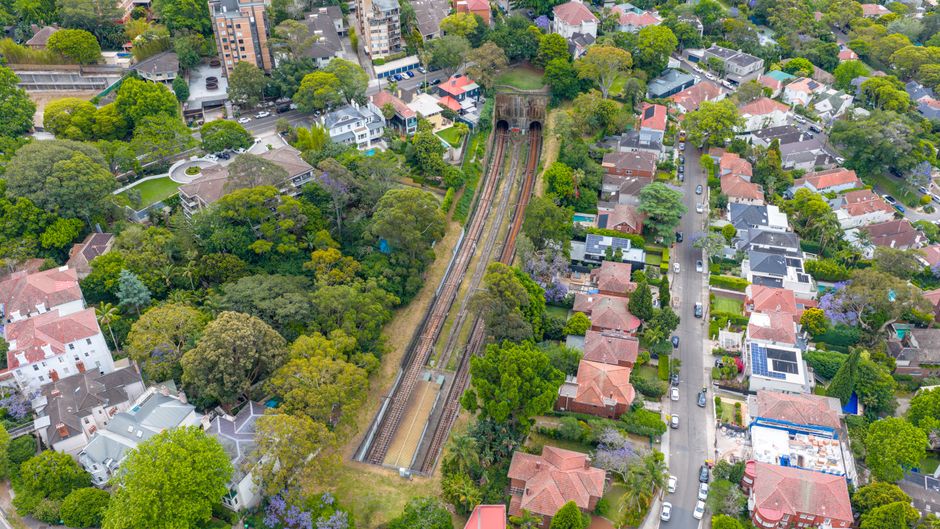
Glenfield is having a moment. The southwest Sydney suburb — long dismissed by inner-ring buyers as too far, too flat, too forgettable — is now drawing serious attention from developers and owner-occupiers alike, driven by the confirmed 2028 opening of the Southwest Metro extension that will cut the trip from Glenfield Station to Central down to 28 minutes. That is faster than the current journey from Leichhardt to the CBD by bus.
Transport for NSW confirmed the revised timeline in late June, and the planning pipeline has responded almost immediately. Three development applications lodged with Camden Council in the past six weeks alone propose a combined 847 dwellings within 800 metres of Glenfield Station on Seddon Road and Railway Parade, ranging from three-storey townhouse clusters to a 14-storey mixed-use tower. The applications sit alongside a rezoning proposal from the NSW Department of Planning that would lift height limits along the Glenfield Town Centre precinct from 11 metres to 32 metres — a change industry observers say was unthinkable 18 months ago.
The timing matters because Sydney's property market has a well-documented habit of pricing in infrastructure well before the ribbon is cut. The Sydenham-to-Bankstown Metro conversion, which opened in stages from 2024, pushed median house prices along the Bankstown line corridor up roughly 18 percent in the 24 months preceding full service commencement, according to CoreLogic's corridor analysis published in March 2026. Buyers who waited for the trains to run found the discount had already gone.
Glenfield's current median house price sits at approximately $910,000, according to PropTrack's June 2026 data — well below the NSW median of around $1.4 million and a significant gap below comparable northwest corridor suburbs like Kellyville, which crossed $1.35 million this year. That gap is the pitch every local selling agent is making, and demand data suggests it is landing. Days on market for Glenfield houses dropped from 42 days in June 2025 to 27 days in June 2026, and the suburb's auction clearance rate has climbed to 69 percent over the past quarter, sitting comfortably within Sydney's inner-ring benchmark band of 65–72 percent for the first time.
The demographic shift is already visible on Glenfield Road and around the strip of cafés near the station precinct. Younger professional couples priced out of Marrickville or Dulwich Hill — where median house prices now exceed $1.8 million — are arriving with larger deposit buffers assembled during the high-rate period and a willingness to tolerate a longer commute that the metro will shortly make irrelevant.
The rezoning push is being coordinated under the NSW Government's Transport Oriented Development program, which targets eight key corridors for density uplift within 400 metres of metro and heavy rail stations. Glenfield is one of six southwest Sydney stations listed for potential uplift in the program's July 2025 corridor report, alongside Leppington and Edmondson Park. Unlike those two suburbs, however, Glenfield has existing retail infrastructure, a public school on Barook Street and direct road connections to the M5 motorway, which planners argue makes it a more viable candidate for genuine mixed-use density rather than dormitory development.
Camden Council's planning committee will hold a public hearing on the three pending DAs on August 19. The NSW Department of Planning's rezoning proposal is separately on public exhibition until August 31, 2026, and submissions can be lodged through the NSW Planning Portal.
For buyers, the practical calculus is straightforward: property prices in infrastructure corridors typically reprice before completion, not after. Anyone watching Glenfield from the sidelines should get across the August exhibition period and attend the council hearing, if only to understand what the neighbourhood will look like in 2030. That is the suburb you would be buying into — and by the time the trains run, the entry price may already reflect it.
How does this story make you feel?
Spread the word
About this article
Published by The Daily Sydney
Daily brief
Free, in your inbox before 7am. Weekdays.
More in Property