Coworking Spaces Sydney Inner West: Tech Reshaping Work
Discover how AI-powered booking systems and flexible workspaces in Surry Hills and Alexandria are reducing Sydney commutes and transforming neighbourhood work culture.
Discover how AI-powered booking systems and flexible workspaces in Surry Hills and Alexandria are reducing Sydney commutes and transforming neighbourhood work culture.
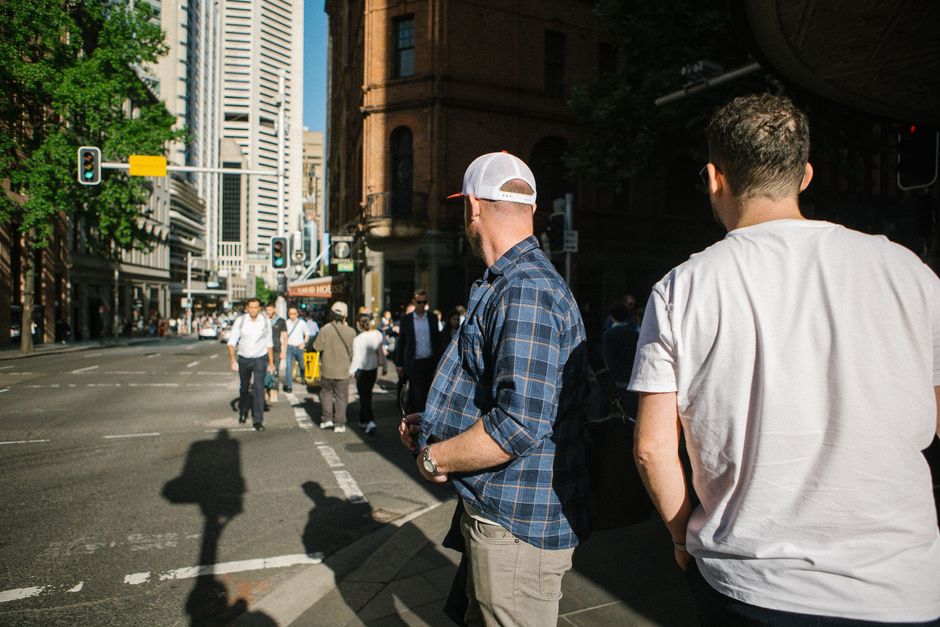
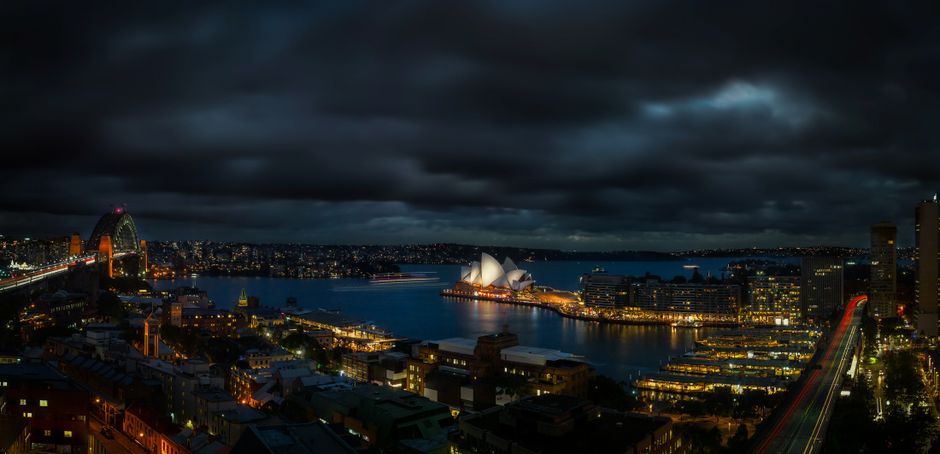
For years, Sydney's daily ritual was predictable: peak-hour gridlock on the Harbour Bridge, packed trains from Parramatta, and the 9-to-5 pilgrimage to corporate towers in the CBD. But the technology underlying modern coworking is quietly rewriting that script for thousands of local residents.
The shift is visible across inner-west neighbourhoods. In Surry Hills and Alexandria, converted warehouses now host modular workspaces equipped with real-time desk availability apps and AI scheduling systems that predict demand patterns. These platforms—increasingly sophisticated versions of what emerged during the pandemic—are fundamentally changing how Sydneysiders organise their work week.
"What's changed is predictability," explains the operations landscape at several established coworking operators across Ultimo and Chippendale. Modern systems now use machine learning to optimise everything from meeting room allocation to parking availability, reducing friction that once made remote work impractical for families juggling school runs and errands.
The impact on local life is tangible. Property data shows inner-west suburbs like Marrickville and Dulwich Hill have seen renewed foot traffic, with workers splitting their week between home and neighbourhood hubs rather than commuting 90 minutes to the CBD. Local cafés and lunch spots report sustained midweek trade that vanished when offices went fully remote in 2020.
Commute times have shifted dramatically. Where inner-west residents once faced hour-long journeys, they're now cycling 10 minutes to coworking spaces on King Street in Newtown or Marrickville's industrial precincts. Real estate agents note this accessibility premium—properties near well-reviewed coworking locations in these areas now command 8-12% premiums over comparable homes further out.
The technology itself remains mostly invisible to users. Behind the scenes, booking algorithms prevent the chaos of overbooking, climate control systems adjust based on occupancy patterns, and security systems integrate seamlessly with mobile apps. It's the absence of friction—not flashy features—that matters to the accountant from Redfern or the freelancer from Glebe.
Industry data suggests roughly 34% of Sydney's professional workforce now uses coworking facilities at least twice weekly, up from 12% in 2022. That adoption reflects matured technology that finally works reliably, not hype.
The deeper shift? Sydney's work geography is decentralising. Suburbs once defined by residential dormancy now hum during business hours. The result isn't the death of the office—it's the proliferation of smaller, neighbourhood-scale alternatives powered by technology sophisticated enough to make spontaneity practical again.
This article was compiled by AI and screened before publishing. See our editorial standards.
How does this story make you feel?
Spread the word
About this article
Published by The Daily Sydney
Daily brief
Free, in your inbox before 7am. Weekdays.
More in tech