Sydney residents embrace cybersecurity tools for daily life
Privacy technology once exclusive to IT pros now protects commutes, banking, and personal data across the city.
Privacy technology once exclusive to IT pros now protects commutes, banking, and personal data across the city.
Sarah Chen, a graphic designer working from her Surry Hills apartment, made a small but telling change to her routine three months ago. She now spends five minutes each morning enabling a VPN before accessing her design files remotely. It's a habit that would have seemed paranoid five years ago. Today, it feels as routine as locking her front door.
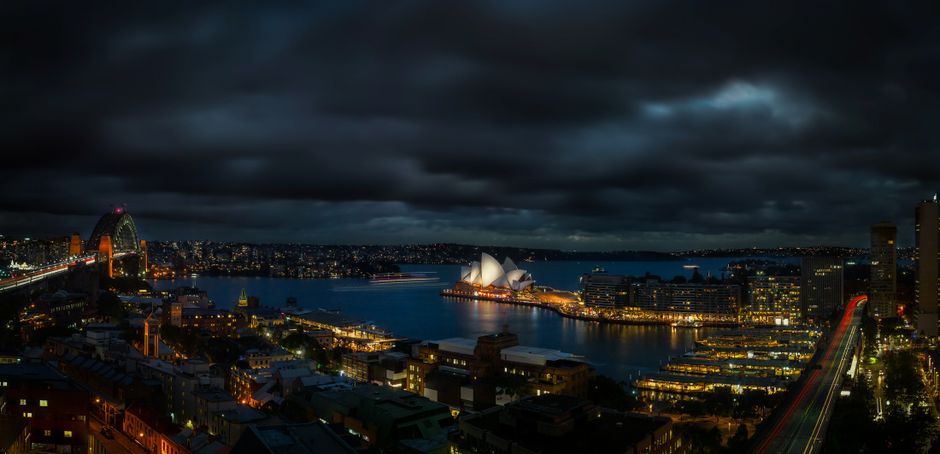
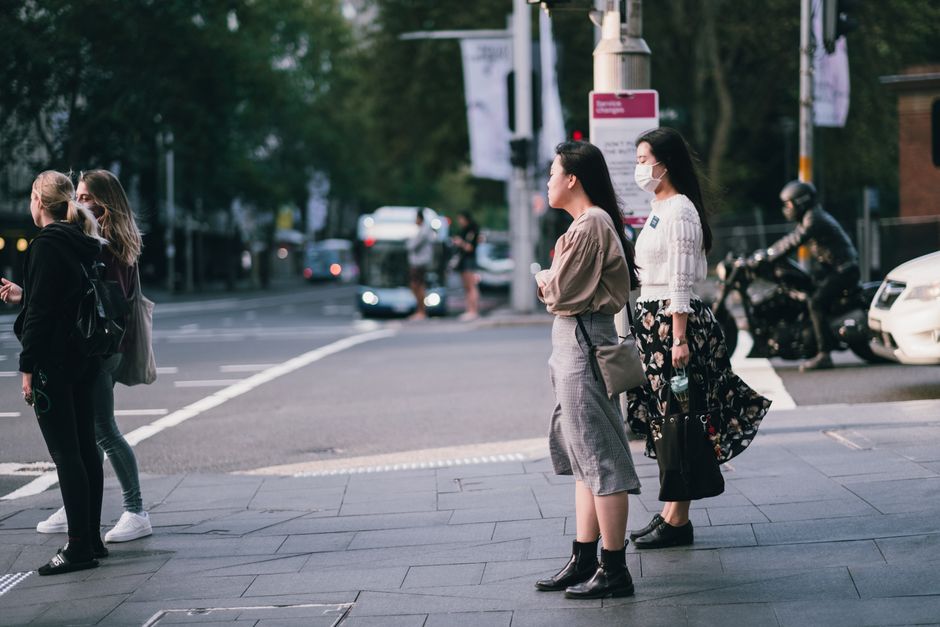
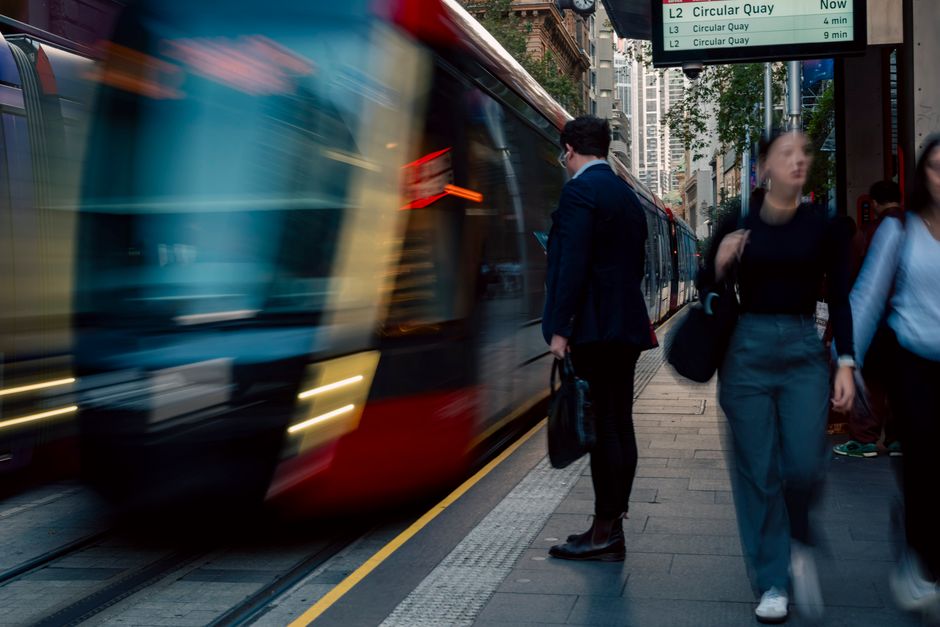
Chen represents a broader shift unfolding across Sydney's 5.3 million residents. Once confined to corporate security teams, cybersecurity and digital privacy technology have become woven into everyday life—from the café in Paddington where freelancers work, to the trains running through the city's transport corridors, to homes in the Eastern Suburbs where families manage household finances online.
The catalyst is simple: the stakes have never been higher. Recent data breaches affecting Australian organisations have left residents acutely aware of their digital vulnerability. More than 60% of Australians now use password managers, up from 28% in 2022, according to recent industry surveys. For Sydneysiders, the shift has been even steeper, driven partly by the city's concentration of tech workers and financial services professionals.
At venues like the WeWork space on Barangaroo Reserve, security-conscious professionals now use multi-factor authentication as casually as they'd use contactless payment. Small business owners in Marrickville and Alexandria are investing in encrypted email services and employee training programs that cost between $500 and $2000 annually—expenses that barely registered on budgets a few years ago.
The technology itself has democratised rapidly. Biometric authentication is now standard on most smartphones. End-to-end encrypted messaging apps that were once niche are now mainstream. Even parents in Pymble and Thornleigh are using parental control software that incorporates privacy protections alongside monitoring capabilities.
Yet this transformation hasn't been friction-free. Privacy advocates worry that normalising constant security vigilance creates a baseline of anxiety. Convenience often conflicts with caution—storing passwords in a cloud service versus writing them down, for instance.
What's clear is that Sydney residents no longer view cybersecurity as a technical afterthought. It's become part of urban life, as essential as checking the weather before heading to Bondi Beach or booking a ride through the city. The question now isn't whether Sydneysiders should care about digital privacy—it's how deeply they want these technologies to shape their daily routines.
This article was compiled by AI and screened before publishing. See our editorial standards.
How does this story make you feel?
Spread the word
About this article
Published by The Daily Sydney
Daily brief
Free, in your inbox before 7am. Weekdays.
More in tech