Sydney Office Vacancy Crisis 2026: CBD Landlords Struggle
Sydney's CBD office vacancy rates hit pandemic-era highs as hybrid work and rising costs force landlords to rethink commercial real estate strategy across prime districts.
Sydney's CBD office vacancy rates hit pandemic-era highs as hybrid work and rising costs force landlords to rethink commercial real estate strategy across prime districts.

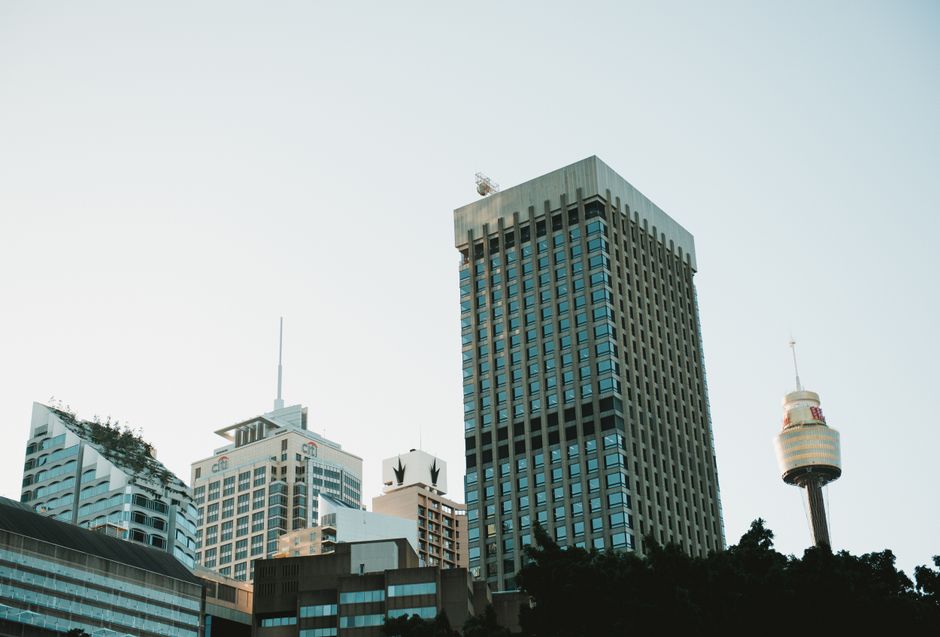
Sydney's commercial property sector is navigating treacherous waters in 2026, with office landlords confronting a convergence of headwinds that show little sign of easing. Vacancy rates across the CBD have climbed to levels not seen since the pandemic's depths, while the structural shift toward hybrid working arrangements continues to hollow out traditional office demand in ways many developers failed to anticipate.
The challenge is particularly acute along the eastern spine of the city centre. Property managers overseeing towers in the Pitt Street corridor and around Martin Place are reporting persistently weak leasing momentum, with major tenants either downsizing their footprints or seeking alternative arrangements entirely. One recent analysis suggested office occupancy rates in prime CBD locations have drifted below 85 per cent—a striking figure for a market that once commanded premium rents across nearly all available space.
The economic backdrop compounds these pressures. Higher interest rates have increased borrowing costs for commercial property owners refinancing aging debt, while construction inflation has made new development projects marginal at best. Several mixed-use schemes in the Green Square and Alexandria precincts have been delayed or scaled back as developers reassess returns in the current environment.
Rental yields have compressed accordingly. While prestige CBD office space still attracts investor interest, secondary locations—including suburbs with strong transport links like Chatswood and Parramatta—are experiencing more pronounced pressure. Landlords are increasingly forced to offer generous incentives: extended rent-free periods, fit-out contributions, and flexible lease terms that would have been unthinkable five years ago.
This shift has implications across the broader commercial ecosystem. Professional services firms, creative agencies and corporate back-office operations are reassessing their real estate strategies with an eye toward cost containment. Some have shifted workforces to suburban hubs with lower occupancy costs, while others have accelerated the adoption of hot-desking arrangements and activity-based working models that further reduce their space requirements.
The supply pipeline adds another layer of complexity. Several speculative office developments approved during the pre-2023 optimism phase are now coming to market into weaker demand conditions, potentially exerting further pressure on rents. Meanwhile, adaptive reuse projects converting older commercial buildings into residential apartments continue to chip away at the available stock—though this may ultimately prove beneficial in rebalancing the market.
For investors and property managers, the near-term outlook hinges on whether businesses begin to stabilise their occupancy patterns. Until tenant demand shows tangible signs of recovery, Sydney's office sector will remain under considerable strain.
This article was compiled by AI and screened before publishing. See our editorial standards.
How does this story make you feel?
Spread the word
About this article
Published by The Daily Sydney
Daily brief
Free, in your inbox before 7am. Weekdays.
More in Business