Sydney's living history: your complete guide to the best local heritage experiences right now
From convict-era laneways to Indigenous cultural centres, Sydney's most immersive local experiences connect you to the city's layered past.
From convict-era laneways to Indigenous cultural centres, Sydney's most immersive local experiences connect you to the city's layered past.
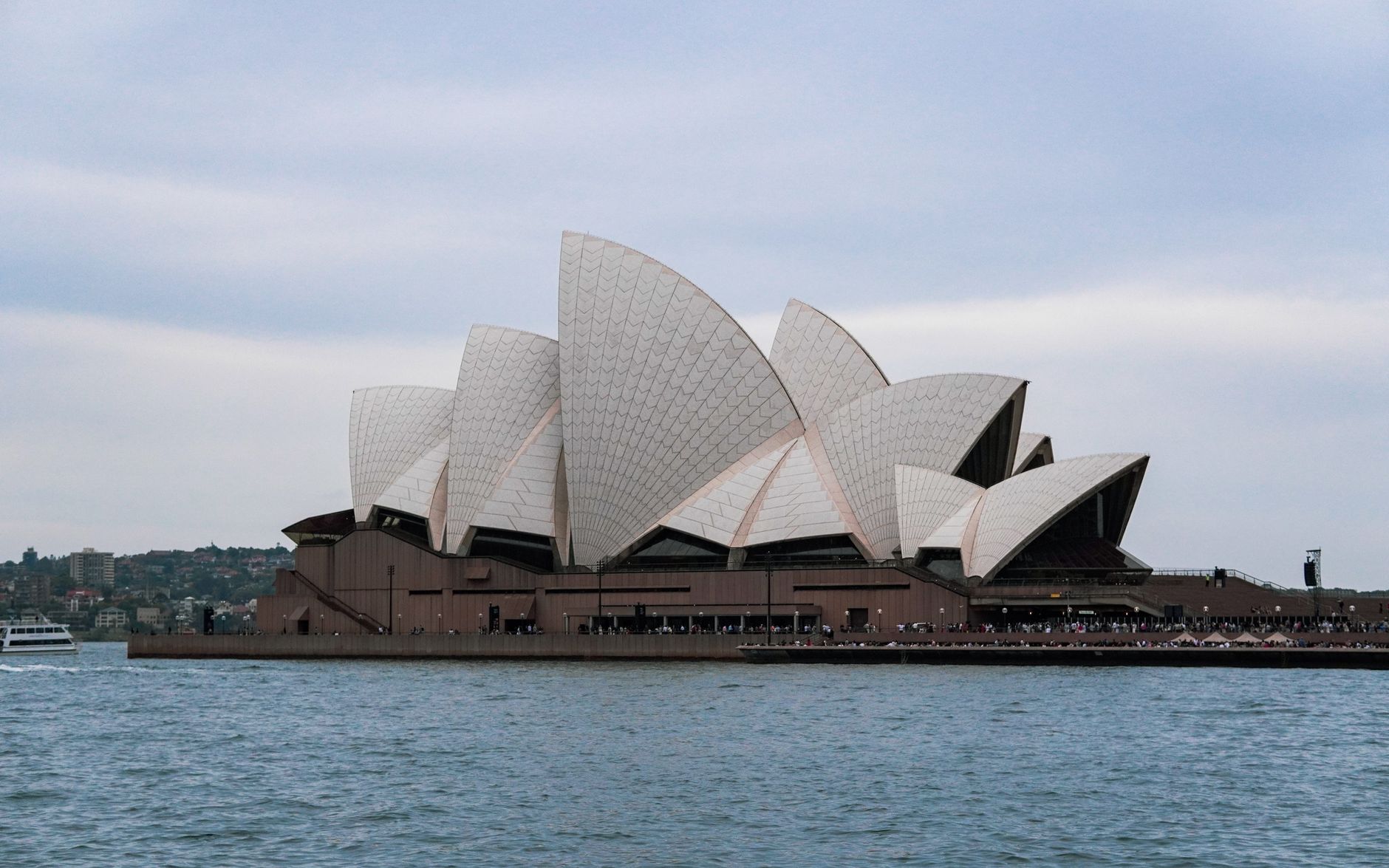
Sydney's heritage tourism has shifted. While the Opera House and Harbour Bridge remain fixtures on the postcard circuit, a quieter revolution is happening in the city's back streets and cultural institutions, where locals and visitors are discovering the messy, contested histories that actually shaped this place.
The shift matters now because Sydney's identity is fracturing and reforming simultaneously. Property developers are erasing streetscapes faster than ever—the heritage buildings around Barangaroo, Parramatta and Alexandria are under constant pressure—while simultaneously, demand for authentic local storytelling has never higher. Walk down Goulburn Street in Surry Hills or Little Bourke Street and you'll find residents more engaged with their postcodes' actual pasts than at any point in the past decade.
Start at Barangaroo Reserve on the city's edge. The sandstone fortifications date to 1881, but the real story sits underneath: this was the site of the Barangaroo Women's Camp, named after a Eora leader. The precinct's new Barangaroo Indigenous Arts Centre, which opened in March 2026, offers walking tours that reframe the entire headland. Tours run Tuesday through Sunday, $35 per person, and they're booked solid through August. The guides aren't professionals—they're Gadigal and Wangal knowledge keepers who grew up in the Inner West.
Then cross into The Rocks, but skip the tourist pubs. Head instead to Cadmans Cottage on Loftus Street, the oldest European building in Australia, built in 1816. The National Parks and Wildlife Service runs a two-hour heritage walk from there every second Saturday at 10 a.m., tracing the convict-era laneways and the Aboriginal sites that predate the whole colonial apparatus. Cost is $28, and they cap groups at 15 people. The guides actually pause on Susannah Place—a terrace of four cottages on Gloucester Street—and walk you through what life looked like for working-class Irish migrants in the 1840s. Real objects. Real stories.
Heritage NSW recorded 1.2 million visitors to state heritage sites in 2025, up 34 percent from 2023. That surge hasn't translated evenly. The big institutions—the Art Gallery of New South Wales, the Australian Museum—saw modest gains. The real growth is in small, locally-run experiences. Cockatoo Island, the UNESCO World Heritage site in Sydney Harbour, was visited by 287,000 people last year, making it the busiest heritage precinct in the state outside the CBD.
But the story isn't just numbers. The Parramatta Heritage Taskforce, which launched in February 2026, has documented 47 buildings between Church Street and the Parramatta River that are slated for demolition or major alteration in the next three years. Eleven of them have recorded Aboriginal heritage. The taskforce has been mobilising locals to photograph and document these places before they vanish. They run monthly community walks that require advance registration through their website.
Pricing matters here. Most of Sydney's heritage walks cost between $25 and $45. The Barangaroo Indigenous Arts Centre offers a free weekly storytelling circle every Thursday at 5:30 p.m., though donations are requested. The Australian Museum's new colonial history exhibition runs through October and costs $24 for general admission. The city council's heritage app, launched last month, is free and maps 312 significant buildings across 23 suburbs.
If you're serious about understanding Sydney's identity right now, book one of these experiences in the next month. Competition for spots is genuine. The Gadigal knowledge keepers leading walks from Barangaroo are booked through September. The Rocks tours fill within days of scheduling. This isn't nostalgia tourism—it's active remembering, and there's finally institutional and public appetite for it to exist.
How does this story make you feel?
Spread the word
About this article
Published by The Daily Sydney
Daily brief
Free, in your inbox before 7am. Weekdays.
More in culture