Hurstville residents shape suburb's identity across generations in south Sydney
From multigenerational family businesses to new arrivals reshaping the suburb's identity, we meet the faces behind this quietly thriving pocket of south Sydney.
From multigenerational family businesses to new arrivals reshaping the suburb's identity, we meet the faces behind this quietly thriving pocket of south Sydney.
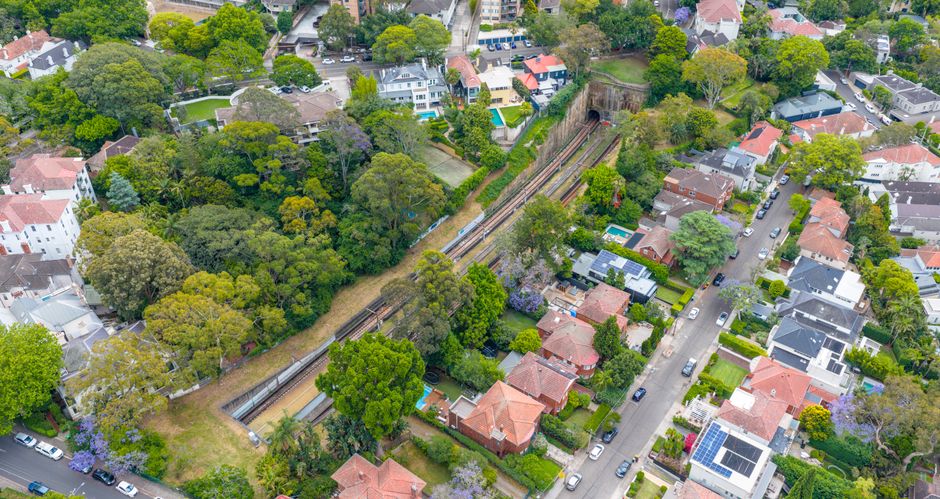
Walk down Forest Road on a Saturday morning and you'll witness the quiet magic that makes Hurstville tick. The suburb, nestled between Kogarah and Allawah, has long been Sydney's well-kept secret—a place where ambitious young professionals, established families, and recent migrants have quietly woven together one of the city's most vibrant communities.
The transformation is visible in the stories embedded in everyday places. Hurstville's retail precinct, anchored by the shopping centre on Forest Road, has seen a generational shift. Longtime proprietors are passing torch to their children, who are reimagining family businesses for a new generation. Meanwhile, independent retailers—from Asian grocers to specialty bookshops—continue to anchor the neighbourhood's character, with foot traffic and property values reflecting steady demand.
The suburb's restaurant scene tells its own narrative. Long-established Chinese restaurants remain popular, while newer venues reflect the area's evolving demographics. The Hurstville RSL Club remains a community hub, hosting everything from dinners to local events. Nearby, the sprawling Hurstville Plaza offers contemporary dining options that didn't exist a decade ago. Average meal prices range from $15 to $35 across casual venues—a sweet spot between value and quality that appeals to families managing school fees and mortgages.
What truly distinguishes Hurstville is its civic engagement. Local organisations like Hurstville Community Services and the Hurstville Historical Society have fostered deep neighbourhood connections. The annual Hurstville Festival draws thousands, celebrating the suburb's multicultural fabric. Local schools, including Hurstville Public and numerous private institutions, function as genuine community anchors where parents volunteer and network.
The property market reflects confidence in the area's future. With median house prices around $1.2 million, Hurstville sits between inner-Sydney luxury and outer-suburban affordability—pricing out purely speculative buyers but attracting those committed to staying. That stability has allowed community institutions to flourish alongside family businesses that span decades.
What emerges from spending time here isn't just demographic data. It's the quiet confidence of a suburb where people choose to build lives. Where a new family moving into Crn Street in 2026 joins established networks that have been cultivating this place for generations. Where old-school shopkeepers train the next generation, and newcomers bring fresh energy to tired spaces.
Hurstville doesn't grab headlines. It doesn't need to. The suburb's real story—one of steady growth, genuine community connection, and ordinary people doing the work of making a neighbourhood feel like home—is far more interesting than any flashy development could ever be.
This article was compiled by AI and screened before publishing. See our editorial standards.
How does this story make you feel?
Spread the word
About this article
Published by The Daily Sydney
Daily brief
Free, in your inbox before 7am. Weekdays.
More in lifestyle