Paddington's Art Scene Draws Sydney's Creative Community This Winter
As winter galleries open their doors and the community gathers for the week ahead, we explore what makes this inner-city pocket feel like Sydney's most intimate cultural village.
As winter galleries open their doors and the community gathers for the week ahead, we explore what makes this inner-city pocket feel like Sydney's most intimate cultural village.
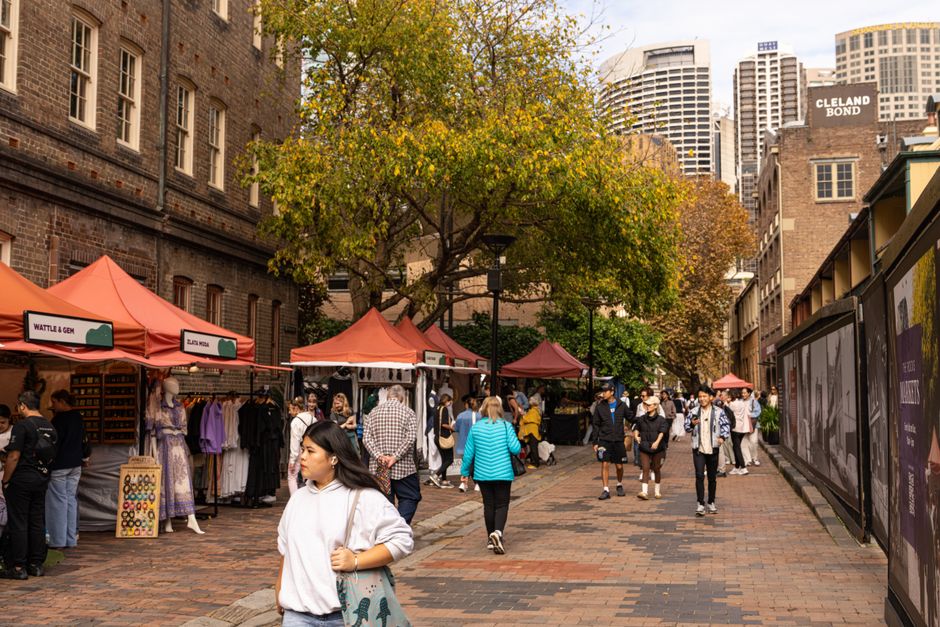
Paddington has quietly become the neighbourhood where Sydney's creative class lingers longest. Walk down Oxford Street on a Thursday evening and you'll spot clusters of locals moving between galleries with the ease of people who know every corner, every opening, every conversation starter. It's this texture—this sense of knowing and being known—that distinguishes Paddington from flashier inner-city precincts.
The neighbourhood's gallery scene has deepened considerably over the past two years. The Institute of Modern Art on Glenmore Road continues its reputation as a serious venue for contemporary practice, while smaller independent spaces along Goodlet Street and around Cascade Street have cultivated a more intimate curatorial approach. This week, several galleries are mounting exhibitions that reflect Paddington's characteristic blend of rigour and accessibility. Visitors rarely need to book ahead or worry about crowds; there's room to think, to sit, to genuinely engage with the work.
What distinguishes the community vibe here, though, is less about the venues themselves and more about the human infrastructure around them. The Saturday morning markets at Paddington Uniting Church have operated continuously since 1971, and they remain a genuine gathering point rather than an Instagram destination. Expect vintage jewellery, local produce, and the kind of conversation that happens when the same vendors and collectors return week after week. Stall fees sit around $35–50, keeping it accessible to emerging artists and hobbyists.
Local cafés function as informal cultural hubs. Cornersmith on Glenmore Road and Black Star Pastry on Church Street have maintained their character despite surrounding gentrification, serving as de facto community commons where gallery-goers, residents, and workers collide naturally. The neighbourhood's demographic—roughly 40% university-educated professionals, according to recent ABS data, with median rents around $650 weekly for a one-bedroom—supports a certain kind of cultural consciousness without feeling performative.
This week, the neighbourhood hosts a handful of modest but meaningful events: a community reading at Berkelouw Books, film screenings at the Paddington Library, and several gallery late-nights. The programming rarely makes major press, which seems to suit residents fine. Paddington's appeal lies partly in being discovered rather than promoted, in feeling like a neighbourhood where people live intentionally rather than aspirationally.
For visitors new to the area, the texture takes time to appreciate. But spend a weekend moving between galleries, lingering over coffee, browsing the markets, and you'll understand why locals keep returning. Paddington doesn't perform its creativity—it simply lives it.
This article was compiled by AI and screened before publishing. See our editorial standards.
How does this story make you feel?
Spread the word
About this article
Published by The Daily Sydney
Daily brief
Free, in your inbox before 7am. Weekdays.
More in lifestyle