Rising university fees price working families out of Sydney higher education
As deregulation pushes some degrees beyond $15,000 a year, working families across Western Sydney face a sobering reality about their children's futures.
As deregulation pushes some degrees beyond $15,000 a year, working families across Western Sydney face a sobering reality about their children's futures.
For families in Penrith, Parramatta and Campbelltown, the question is no longer whether their children can go to university—it's whether they can afford to. As course fees continue climbing under Australia's deregulated higher education system, Sydney's outer western suburbs are facing a hidden education crisis that threatens to deepen existing inequality across the city's 47 federal seats.
University Australia data reveals that some degrees now cost students upwards of $15,000 annually, with engineering and health programs commanding premium prices. For a student from Mount Druitt or Fairfield juggling part-time work alongside studies, these fees represent an impossible barrier that their peers in affluent areas like Double Bay or Mosman simply don't face.
The impact cascades through communities. Schools like Blacktown Boys High and Westfield Sports High serve catchments where household incomes hover near or below the national average. Teachers report increasing numbers of capable students declining university offers because family finances won't stretch. Instead, they're channelling into vocational pathways—not always by choice, but by necessity.
The NSW Labor government's housing crisis dominates political debate, yet education affordability receives comparatively little attention. Yet the two issues interlock. Families spending 60% of income on rent in Western Sydney have little left for university contributions. The Metro West construction boom promises to unlock housing and jobs, but without concurrent education accessibility measures, newcomers to areas like Sydenham and Westmead will face the same barriers.
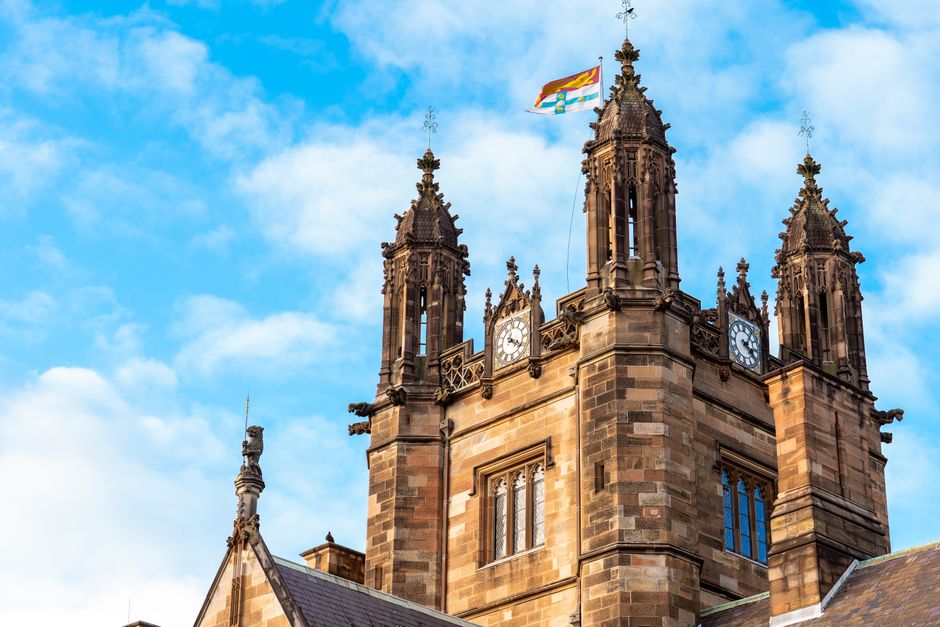
University of Sydney and UTS, both drawing heavily from greater Sydney's diverse communities, report rising student debt levels. Graduate starting salaries haven't kept pace with fee increases, meaning young professionals are burdened with HECS debts exceeding $50,000—delaying home ownership, relationships and civic participation precisely when Sydney's housing crisis demands new homebuyers.
Private universities and international student pipelines thrive, but domestic accessibility has contracted. Macquarie University and Western Sydney University, crucial pathways for outer-west students, report competition intensifying as enrolment caps tighten and fee-sensitive cohorts recalibrate expectations downward.
The community impact extends beyond statistics. When talented students from working-class backgrounds abandon tertiary education, Sydney loses future teachers, nurses, engineers and leaders from neighbourhoods that already experience underrepresentation in professional fields. Social mobility—once university education's promise—increasingly depends on family wealth rather than merit.
As Sydney grows and transforms, education accessibility must become a political priority matching housing urgency. Without intervention, our most multicultural city risks entrenching advantage by postcode rather than talent.
This article was compiled by AI and screened before publishing. See our editorial standards.
How does this story make you feel?
Spread the word
About this article
Published by The Daily Sydney
Daily brief
Free, in your inbox before 7am. Weekdays.
More in News