Sydney Officials Outline Green Infrastructure Plans for Expanding Metro West
As Metro West construction accelerates and Western Sydney expands, environmental leaders outline the infrastructure and policy shifts needed to keep the city liveable.
As Metro West construction accelerates and Western Sydney expands, environmental leaders outline the infrastructure and policy shifts needed to keep the city liveable.
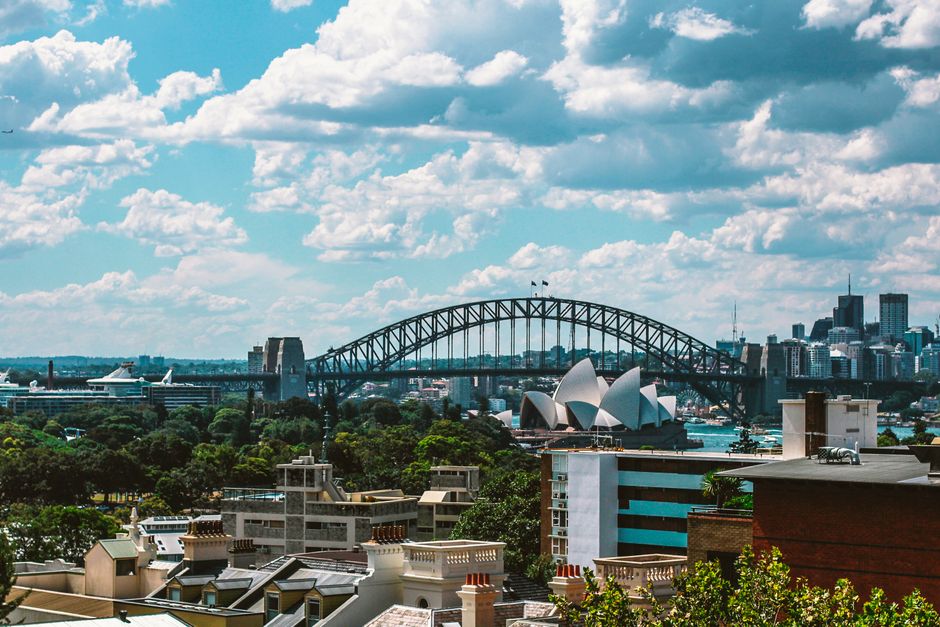
Sydney's environmental landscape is shifting rapidly, with officials and sustainability experts converging on a critical message: the next five years will define whether the city can balance growth with climate resilience.
The NSW Department of Planning has flagged that Greater Sydney's population is projected to reach 6.3 million by 2036, placing unprecedented pressure on green spaces and water systems. At a recent forum hosted by the Australian Institute of Architects at their Elizabeth Street offices, senior planners emphasised that Metro West—currently under construction from Westmead to Sydenham—represents a pivotal opportunity to reshape transport-related emissions across Western Sydney.
"Transit-oriented development around new stations could reduce car dependency by up to 30 per cent in those corridors," according to briefing documents circulated among Council of Australian Local Governments representatives. Officials have identified Parramatta and Penrith as critical hubs where medium-density housing and public transport must align.
The University of Sydney's Institute for Sustainable Futures has released analysis showing that Sydney's residential sector accounts for approximately 40 per cent of the city's carbon footprint. Energy efficiency retrofits in suburbs like Marrickville, Enmore and Leichhardt—where older housing stock dominates—could unlock significant emissions reductions, though upfront costs remain a barrier for many households.
Water management has emerged as equally urgent. Port Botany's expanding container terminal, vital to the state's $65 billion export trade, sits in a storm-surge risk zone. The NSW Office of Local Government has begun coordinating with councils across the Inner West and South Sydney to implement nature-based solutions—wetland restoration and permeable pavements—rather than relying solely on seawalls.
Business NSW representatives have signalled cautious support for mandatory sustainability standards in commercial development, provided incentives offset compliance costs. Peak bodies representing property developers have pushed back on aggressive timelines, flagging that materials shortages and labour constraints are slowing green building rollouts.
Environmental justice advocates have raised concerns that sustainability initiatives risk excluding low-income communities. Groups operating in Western Sydney note that areas like Mt Druitt and Campbelltown face disproportionate exposure to industrial facilities while receiving fewer green space investments.
The consensus among officials is clear: Sydney's growth is locked in. The question, they argue, is whether environmental planning keeps pace. Metro West, water infrastructure upgrades, and residential retrofit programs will define the answer over the coming years.
This article was compiled by AI and screened before publishing. See our editorial standards.
How does this story make you feel?
Spread the word
About this article
Published by The Daily Sydney
Daily brief
Free, in your inbox before 7am. Weekdays.
More in News